Monstrous is misshapen. It is disgusting and ghastly. It is hideous and grotesque. The opposite of lovely—any thesaurus can give you a list longer than a fiend’s tale of words to describe a creature ugly, malformed, repulsive, repellent and horrifying.
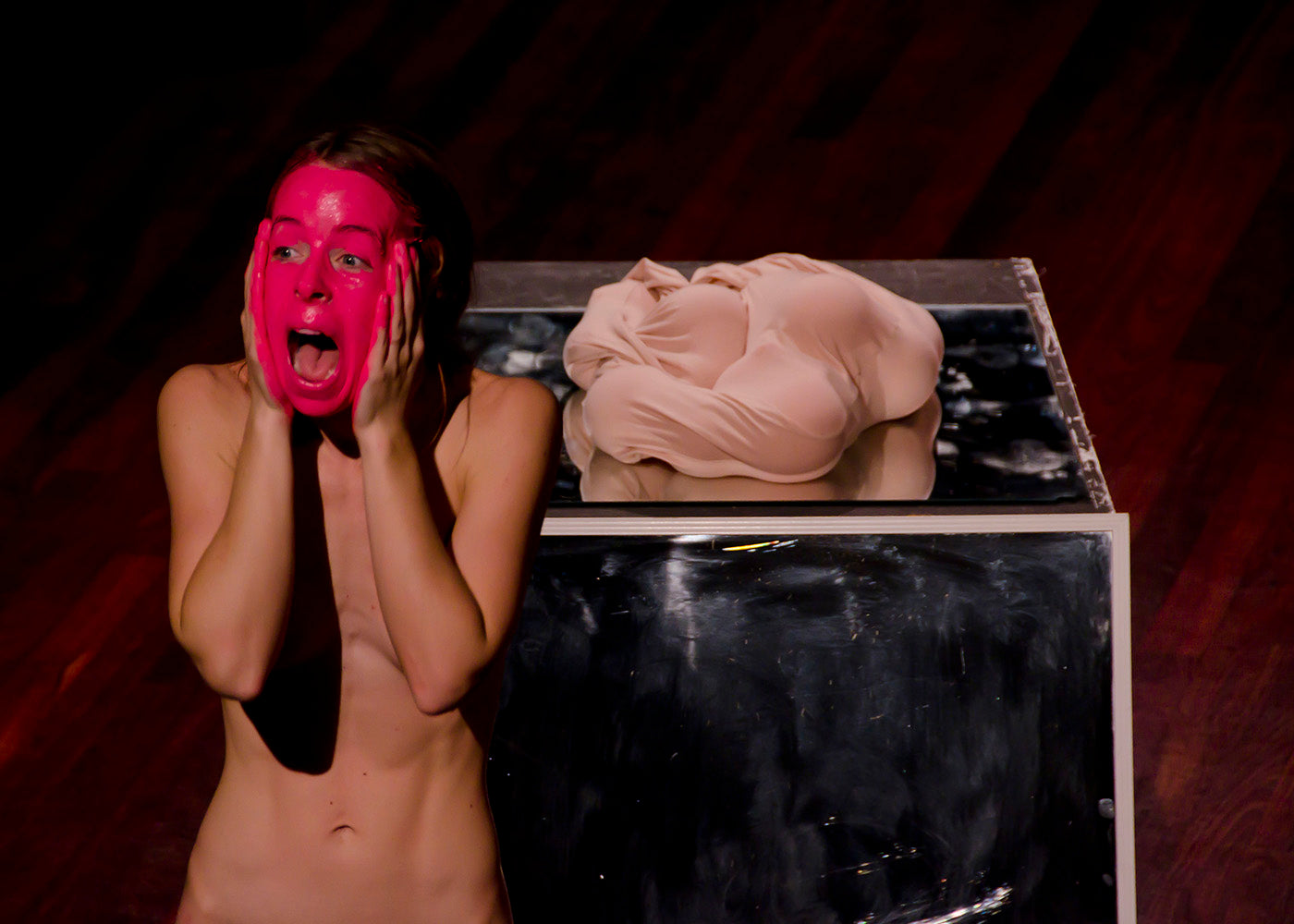
On a warm March evening, myself and a handful of other curious souls climbed the narrow steps of the aptly named Tower Theatre. The space is dark, and we are quiet as we enter, cloaked by the hush darkened spaces require. The theatre seats 100, but it feels smaller. It feels close and intimate. We negotiate the darkness and find a seat, production notes in hand. There is the feeling of having entered someplace else. We’ve left the theatre, as it were, and we are seeing what normally we would not be able to see: “[Gu:t] 굿 ”, conceived and...
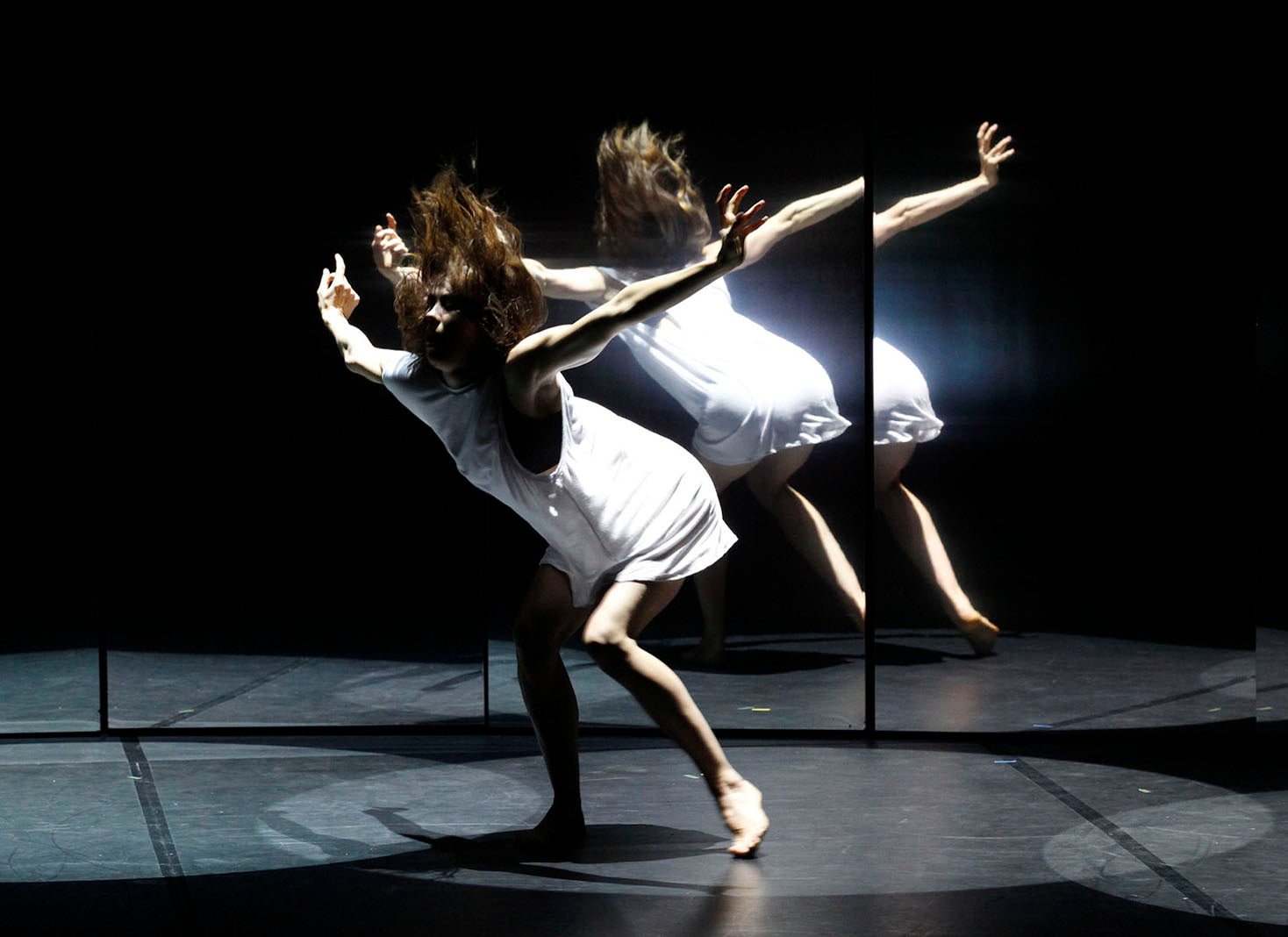
Organs, teeth, flesh, bone. Part indestructible, part fallible. That the body is a marvellous tool none would deny. All this and more one knows and during a thirteen-day festival expects to see in someway put to the test. The body and its limits. The body and its brilliant workings. It can bend. It can turn into liquid silk. It can roll and it can convulse. It can operate as if possessed. Faces can be blank. They can be expressive. Fun can be poked, and the mirror proves always a fascination. Literally, in the sense of Anouk van Dijk’s new work...
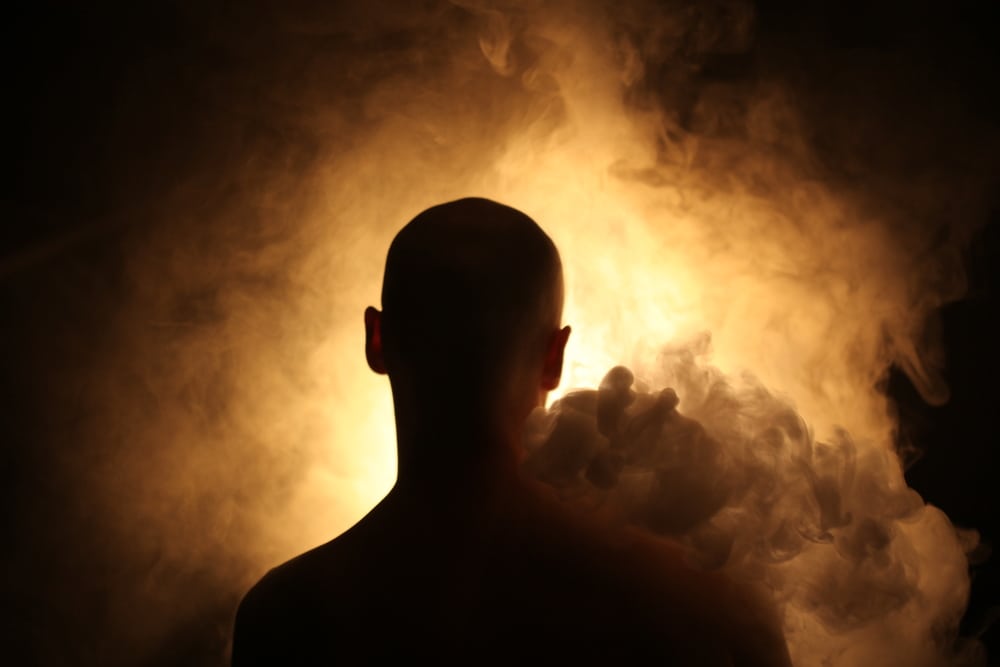
There are some nights when the weather plays its role as if part of the performance. This was the case one very hot eve, when I went to see Ashley Dyer’s “Life Support” at Dancehouse in Carlton North, on the first day of Dance Massive 2013. The idea of being trapped within a room that slowly grows airless as smoke fills and chokes, on such a close night seemed to work hand in glove. Waiting in the foyer, already a claustrophobic air. People fanned themselves with their Dance Massive programmes or whatever came to hand in futile bid to cool...
Robert Joffrey had not long started ballet classes when he was tapped to be a supernumerary in a Ballet Russe de Monte Carlo production of “Petrushka,” touring to Joffrey’s home town of Seattle. A few weeks later he was in the audience for another performance. It wasn’t America’s seasonal, perennial favourite (and lifeboat for almost every US company), “The Nutcracker,” nor was it the war-horse “Swan Lake;” it was Kurt Jooss’s fabled anti-war ballet “The Green Table”—a heady experience for an 11-year-old.
The history of art, music, ballet, opera, and literature is one dotted with the curious, bewildered, shocked receptions of the audience when faced with the new and the challenges this in turn presents. Springing to mind in a flash, the famous response “The Rite of Spring” received at its premiere on a warm spring evening in Paris in the year 1913. Igor Stravinsky’s rejection of conventional melody coupled with the abstract and convulsive dance movements of Vaslav Nijinsky’s choreography presented the audience with a ‘prehistoric vision, confused, awe-inspiring, but true.’[note]Prince Peter Lieven, The Birth of the Ballet-Russes, trans. L. Zarine...
It is circles I see, and always have, whenever I listen, and often I do, to Piotr Illyich Tchaikovsky’s “Swan Lake.” For me, one stimulates the other, and the composition upon every visit sets to the business of drawing its familiar beloved circles, from the large and sweeping to the tightly coiled. Melodic circles that anyone can hum or whistle, or with finger tap out on the table; such a union of the senses is what “Swan Lake” is for me. That is what I hear in the music, and see in the choreography, a melody and a romanticism impossible...
“Muscular preambles ripple beneath the skin. Shadows shift, tremble, hesitate. Something is being decided. A breeze of emotion underlines the mouth with clouds. The orography of the face vacillates. Seismic shocks begin. Capillary wrinkles try to split the fault. A wave carries them away. Crescendo. A muscle bridles. The lip is laced with tics like a theatre curtain. Everything is movement, imbalance, crisis.”—(One of the great silent film directors) Jean Epstein (1897-1953)
Long before the dancers take the stage, Dance Theatre of Harlem’s season at New York City Center feels like one of the most energizing cultural events of the spring.
It is rare for George Balanchine’s grand, bedazzled “Symphony in C” to open a program. Its champagne-popping finale for 52 dancers tends to be a nightcap.
The Spring is Blooming festival, by Dance Reflections by Van Cleef & Arpels, now in its fifth year, has become a highlight of the spring dance circuit.
As the audience come to their feet at the end of this ballet there is a noted difference to be seen on stage. Three women stand with joined hands, taking their call as the romantic leads of a loud and proud lesbian ballet.
One of San Francisco Ballet’s greatest assets is its home venue, the Beaux-Arts style War Memorial Opera House, with four rings of seating that require performers to project their energies practically to the exosphere.