
Shakespearean Twist
It’s a drag to report that I had the urge to walk out of my first performance back in NYC after a long summer break.
Continue Reading

World-class review of ballet and dance.
It seems fitting that as the world held its collective breath over violent threats from the US White House, the Martha Graham Dance Company would perform “Chronicle,” an anti-war statement from 1936, as the centerpiece for the opening of its New York City Center season. The strong Graham women leave behind an indelible impression with that powerful work. Program A of the company’s centennial celebration has the Graham classics, “Diversions of Angels” and “Chronicle,” bookend two new works: a solo for Lloyd Knight by Jamar Roberts, performed to live percussion by Stahv Danker; and “En Masse,” by Hope Boykin, to music of Leonard Bernstein.
Performance
Place
Words


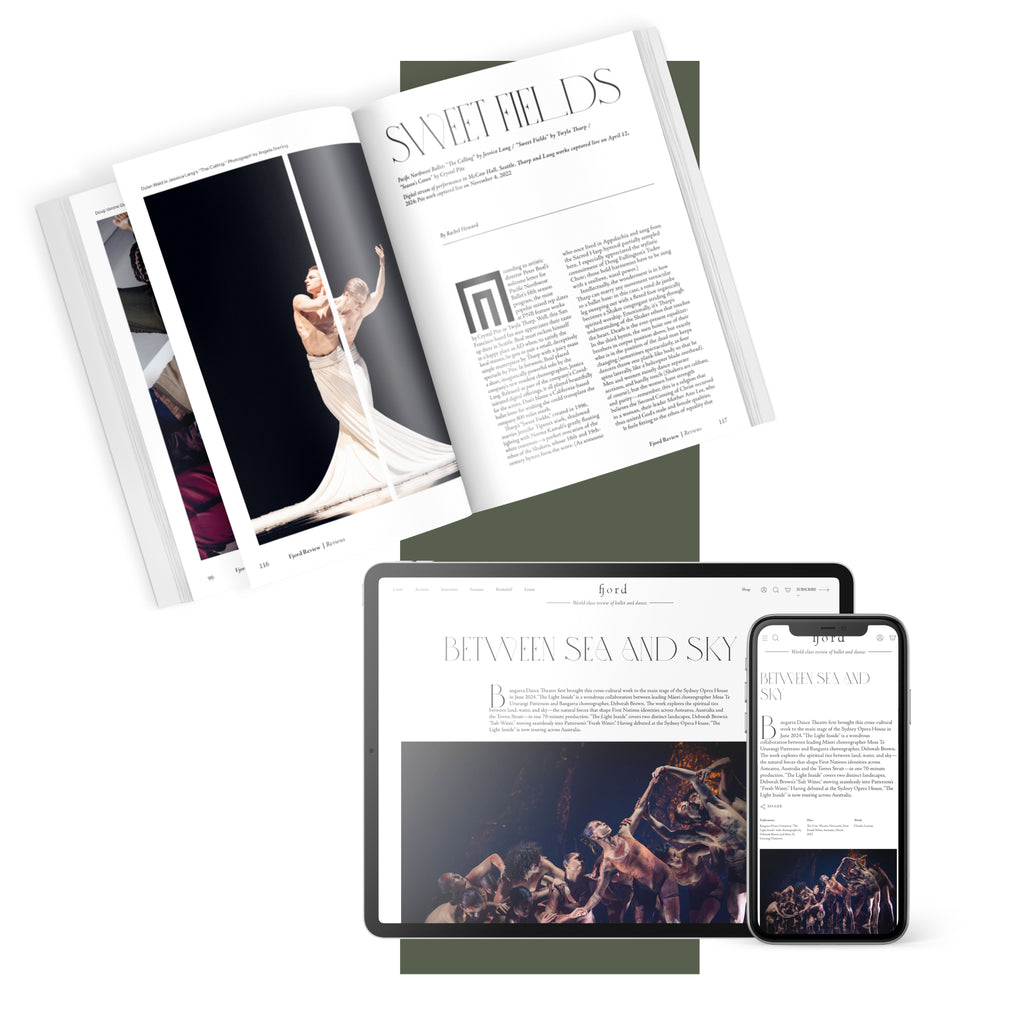
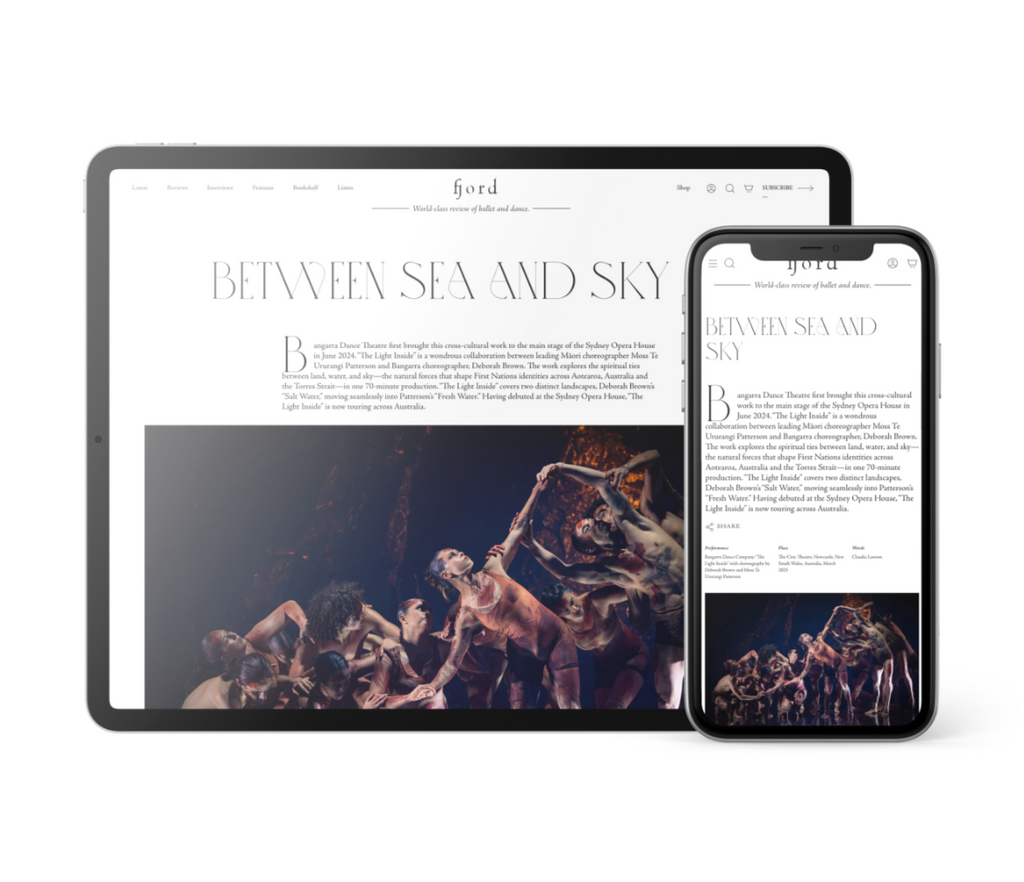
“Uncommonly intelligent, substantial coverage.”
Your weekly source for world-class dance reviews, interviews, articles, and more.
Already a paid subscriber? Login
It’s a drag to report that I had the urge to walk out of my first performance back in NYC after a long summer break.
Continue Reading
Things seem to be clicking in place for Mamela Nyamza. Her latest work “The Herd/Less” is touring the world while her recognition as a choreographer with a distinction for the subversive and political has earned her a Silver Lion for dance at the Venice Biennale.
Continue Reading
After taking a field trip in the second grade to see the Alvin Ailey American Dance Theater, Ronald K. Brown was inspired to take his first dance class at Bedford Stuyvesant Restoration Corporation, a Brooklyn-based community center.
Continue Reading
As much as it is a cliché to reference, there is something special in finding a work that so aptly fits that famous quote from George Balanchine: “See the music. Hear the dance.”
Continue Reading
comments