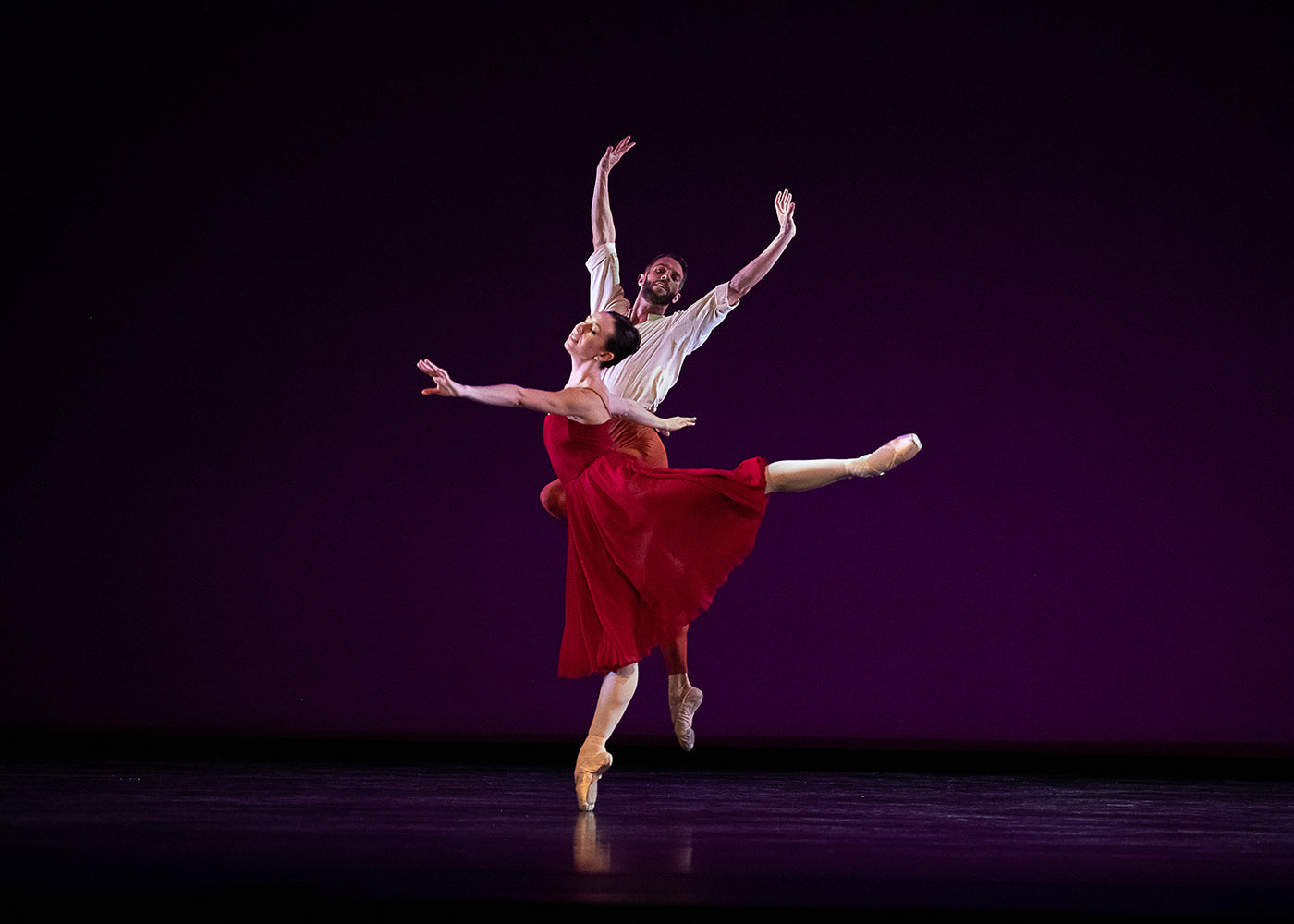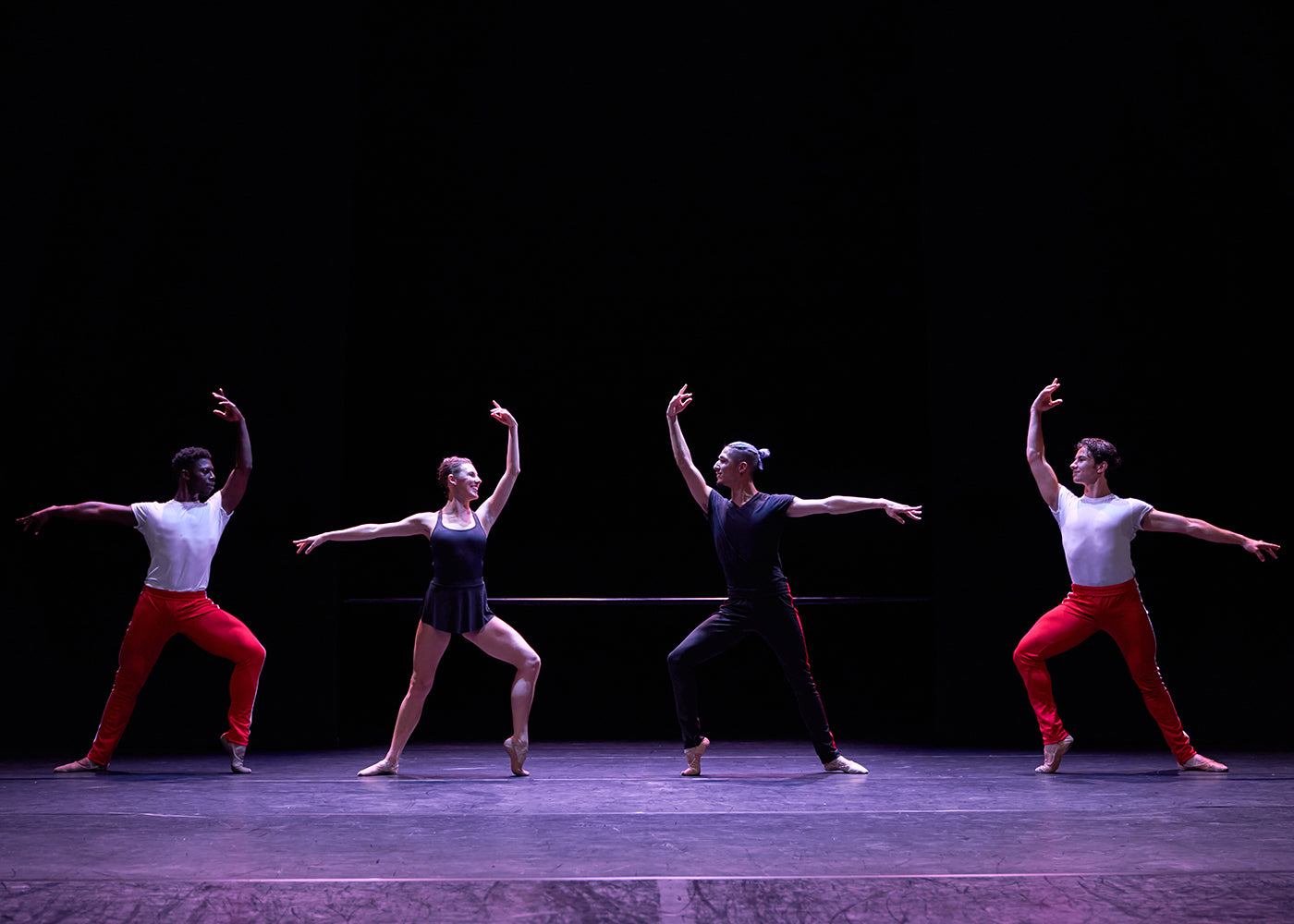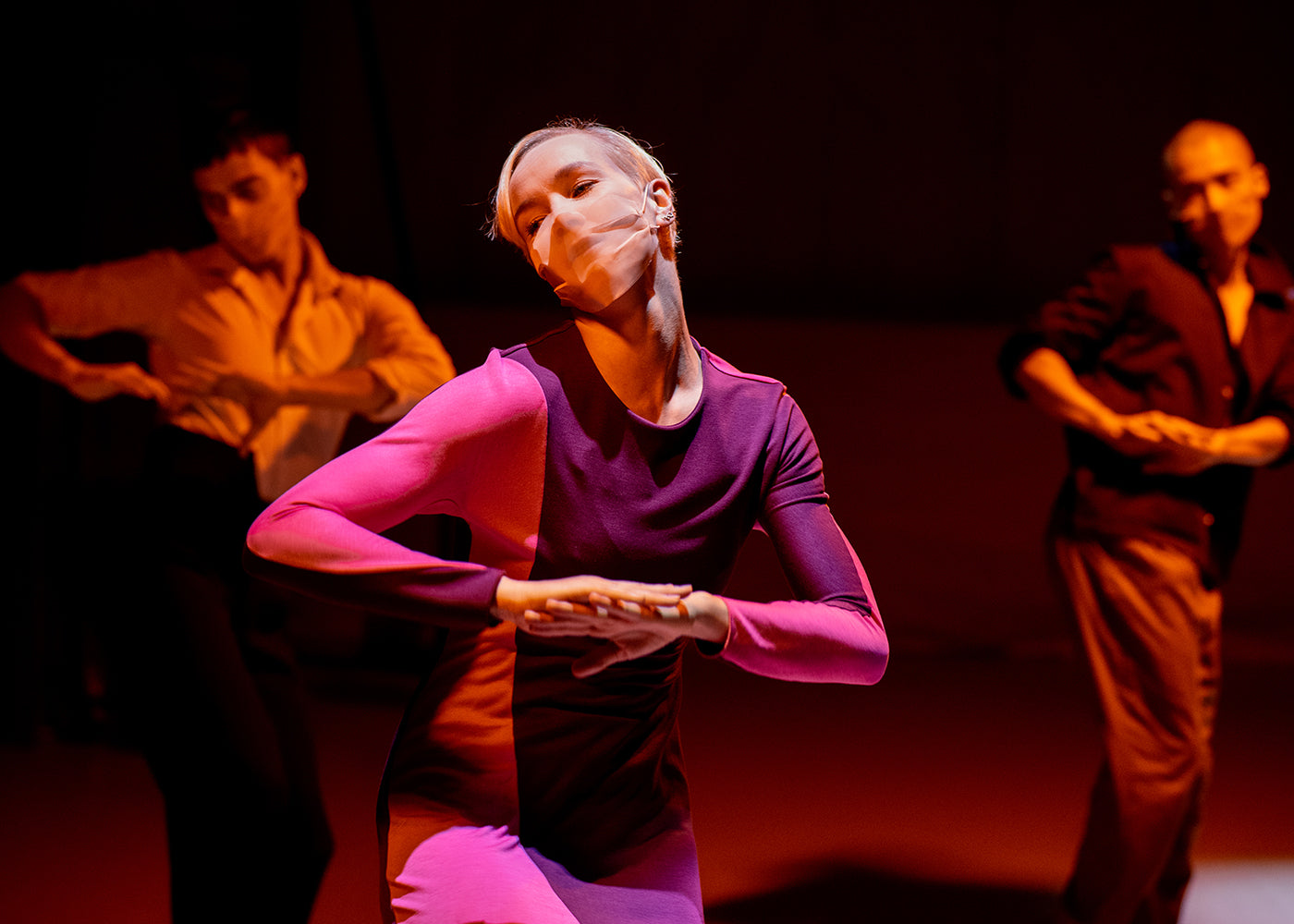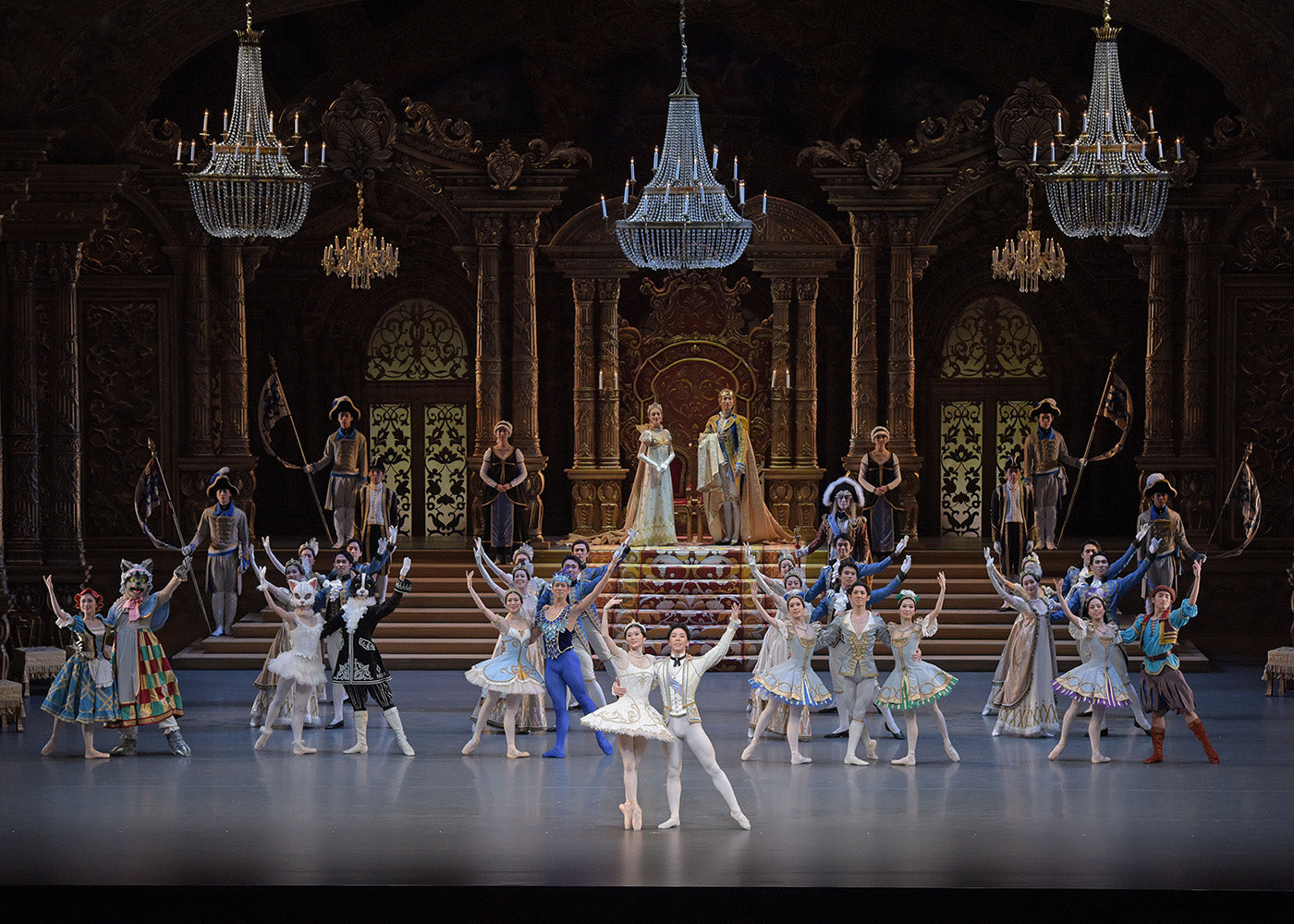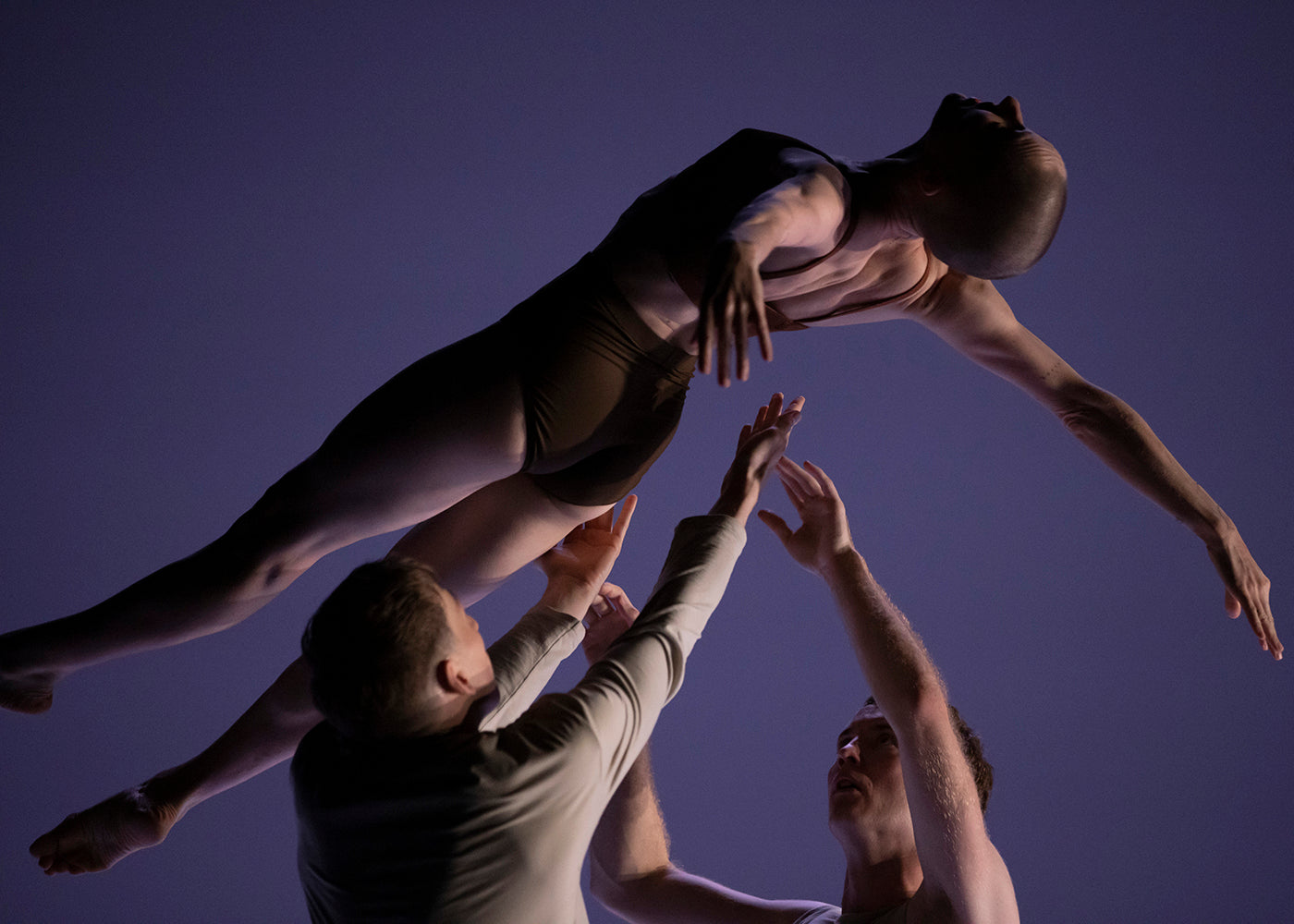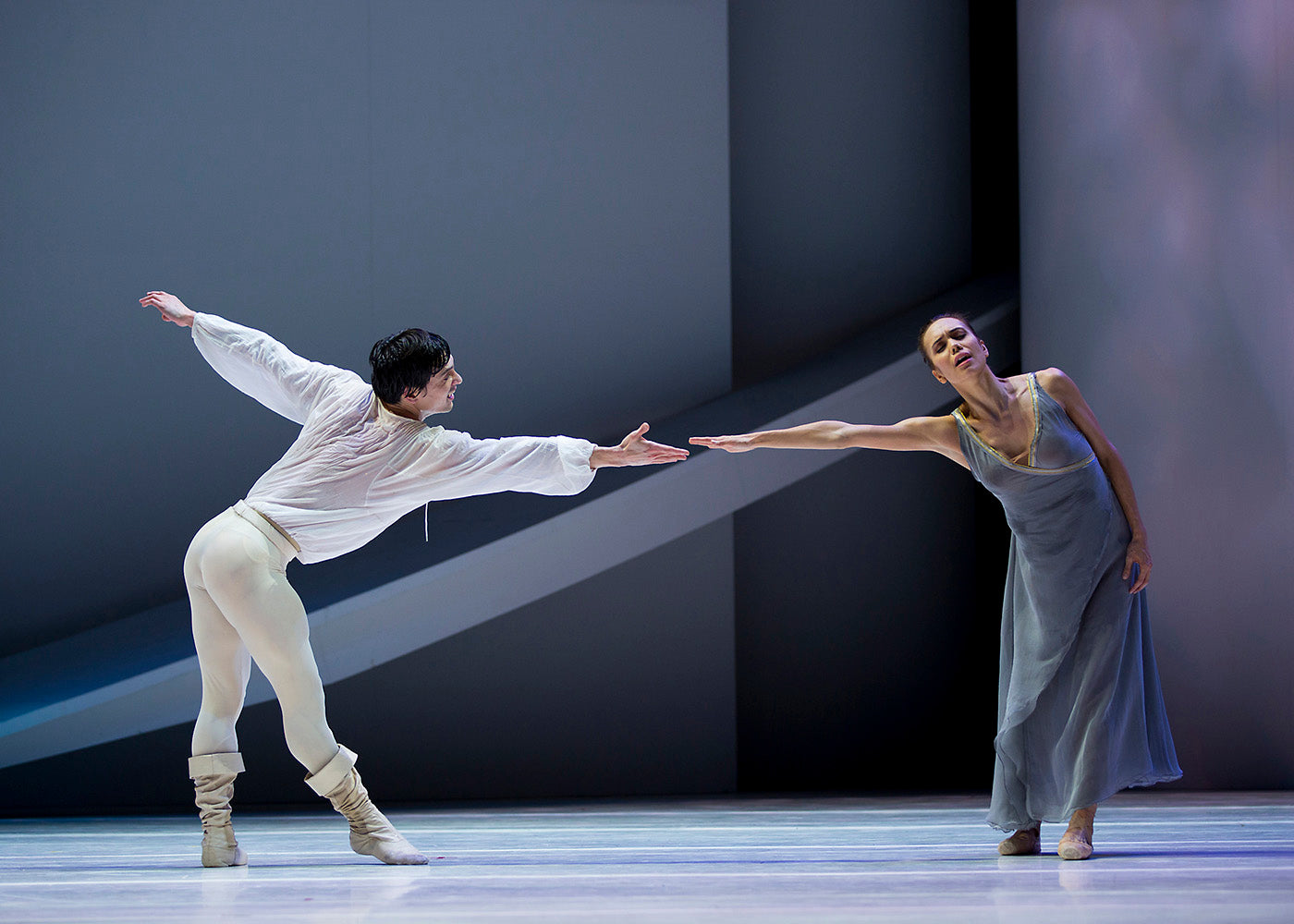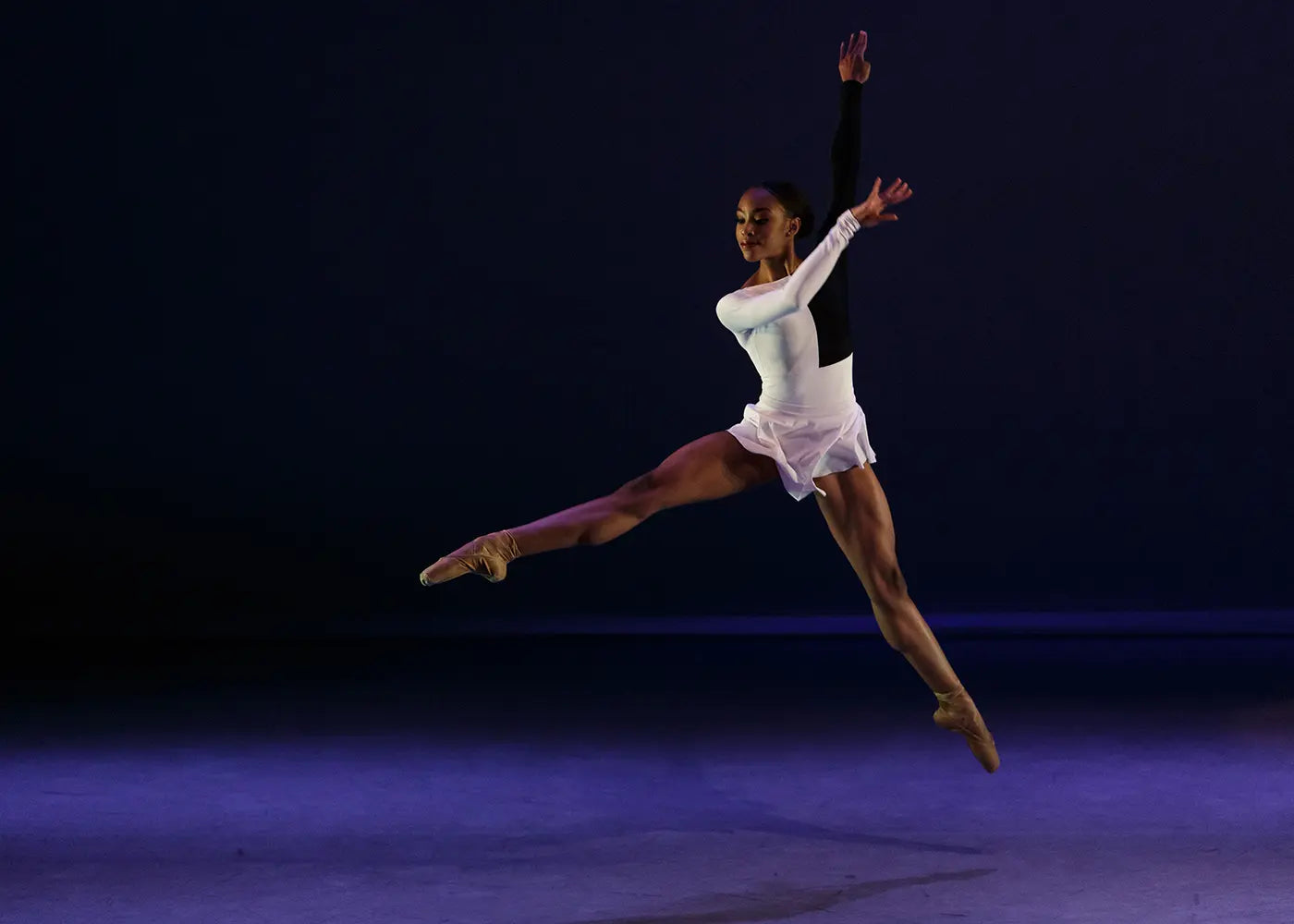

If there is a downside to San Francisco Ballet’s zeal for commissioning international choreographers, it is that we do not often have the luxury, here in Northern California, of considering the dancers over the dance.
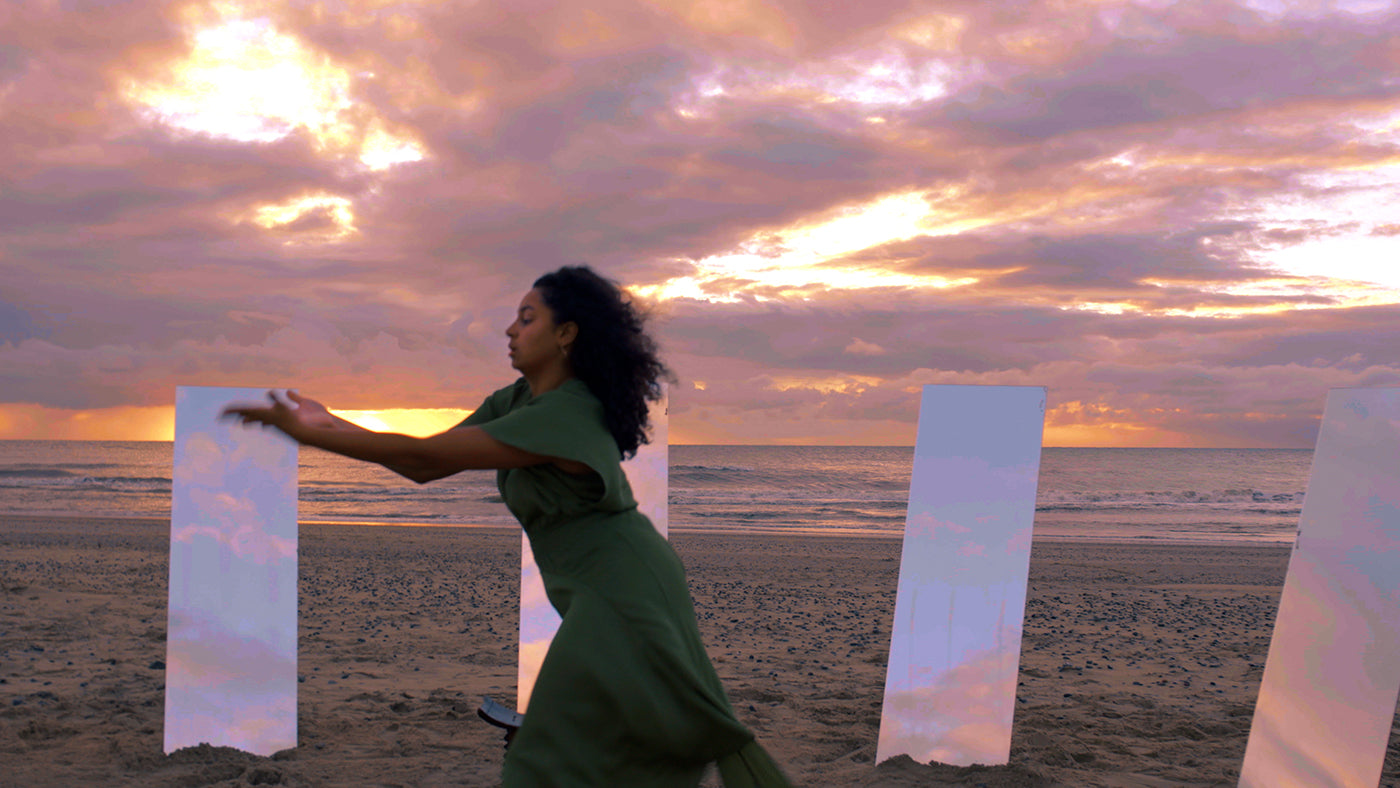
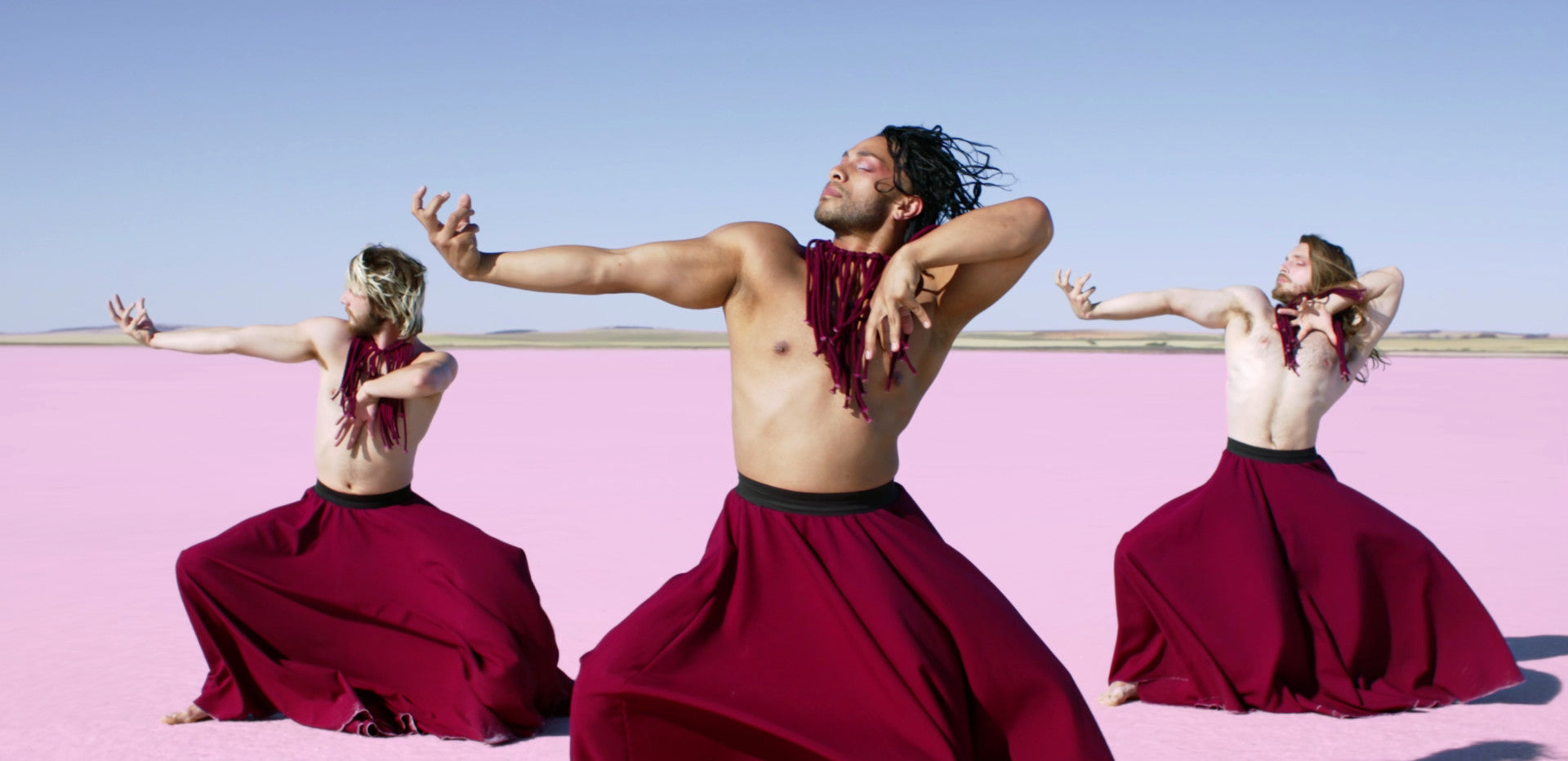
Pollen grains can be dispersed by wind, insect, bird, or animal, and in the case of Akira Kasai’s “Pollen Revolution,” they can even be liberated within and dispersed by a dancer. Kasai’s “Pollen Revolution,” one of three performances presented within Dancehouse’s Japan Focus, alongside Ruri Mito’s “Matou” and Takao Kawaguchi’s “Good Luck,” as part of the 2020 Asia TOPA: Asia-Pacific Triennial of Performing Arts dance program, pollinates and vibrates the imagination in a way that only the “Nijinsky of Butoh” can.
Alina Cojocaru’s technical fluency and stirring artistry have propelled her to starred ranks at both the Royal Ballet and English National Ballet. The Romanian luminary’s new self-assembled programme at Sadler’s Wells highlights this eloquence, taking a look at the many languages of ballet she’s perfected in her two decades on stage, from soft classical displays to exuberant contemporary tangles. Interestingly, there are no glimpses of Giselle or Aurora or the other marquee roles Cojocaru has built her name on; instead it’s mostly short pieces created on her in recent years, topped off with Frederick Ashton’s one-act “Marguerite and Armand”—a Royal...
Cathy Marston has arrived. Actually, the British choreographer has been doing exciting work for decades now, but the Royal Ballet has finally given her a main stage commission, which is another way of punching her members’ card. Marston’s new ballet follows in the steps of a string of ambitious narrative productions for the likes of Bern Ballett and Northern Ballet, from “Wuthering Heights” to “Jane Eyre” to “Victoria.” Her passion (and gift) for dramatising left-field subjects hits a high note here: the focus is Jacqueline du Pré, a prodigious British cellist whose talent sadly dissolved in the clutch of multiple...
Time. One of life’s great imponderables becomes one of the topics in a soaring meditation in the T.S. Eliot literary masterpiece, Four Quartets. First published in 1943, the work, divided into four sections/poems, served as the starting point for the brilliant dance of the same name choreographed by the celebrated New York-based dancemaker Pam Tanowitz. First presented in 2018 at Bard College—a co-commission between Bard Fisher Center, Barbican London, Lincoln Center for the Performing Arts and CAP UCLA, where it was seen over the weekend—the work was hailed by the New York Times’ Alastair Macaulay as “dance theater of the...
The ink is barely dry on year-end top ten lists, yet the first months of the new year bring no respite from heady contest. In sports (the Super Bowl), cinema (the Golden Globes through the Oscars), and politics (the primaries), winter in America is rife with competition. Why should the ballet world be any different? In the span of roughly a month, NYC dancegoers had to choose between three major productions of that classic synecdochical of the art form: “Swan Lake.” Actually, there were four—but in this review I won’t cover the St. Petersburg Ballet Theater’s two shows at BAM....
“maliphantworks3” marks choreographer Russell Maliphant's third season of works performed at the Coronet, an intimate venue in London's Notting Hill characterised by its dimly-lit corridors and eclectic collection of objects and memorabilia. Like the previous two programmes, “maliphantworks3” presents a selection of short works by the choreographer and his collaborators, including three world premieres and the return of 2018's “Duet” performed by Maliphant and long-term collaborator, Dana Fouras. Significantly, this third season also marks Fouras’ last performances with Russell Maliphant Dance Company.
It starts with a hand—a fist, clenching, pulsing as a heartbeat. Sinews and muscles are taut, the arm outstretched. The hand gives, but can also take away. The hand strikes, punches, slaps, caresses, pulls. So, too, the hand crowns kings and queens. This is the jumping-off point for French dancer Solène Weinachter's incredible new solo performance, “Antigone, Interrupted.” Human fragility is, Weinachter suggests, one side of the same coin, where strength is another. It is both meditation on Antigone, princess of Thebes and doomed daughter of Oedipus, from a feminist perspective; and also a personal journey between Weinachter and director...
After premiering “Radical Vitality, Solos and Duets” at the Venice Biennale in 2018 and touring it to festivals across Canada and Europe, Compagnie Marie Chouinard came back to a familiar venue at Canadian Stage in Toronto and took up place in the inaugural season for new artistic director Brendan Healy.
Last week the New York City Ballet premiered the newest Ratmansky work. This week, the new… Balanchine? The company’s latest program is full of offbeat revivals: two B-sides from the house’s founder and a Jerome Robbins deep track too. It was must-see viewing for ballet nerds, who were out in full force. If I may speak for our kind, it didn’t disappoint. Though I do wonder if the casual ballet-goer was as entertained.
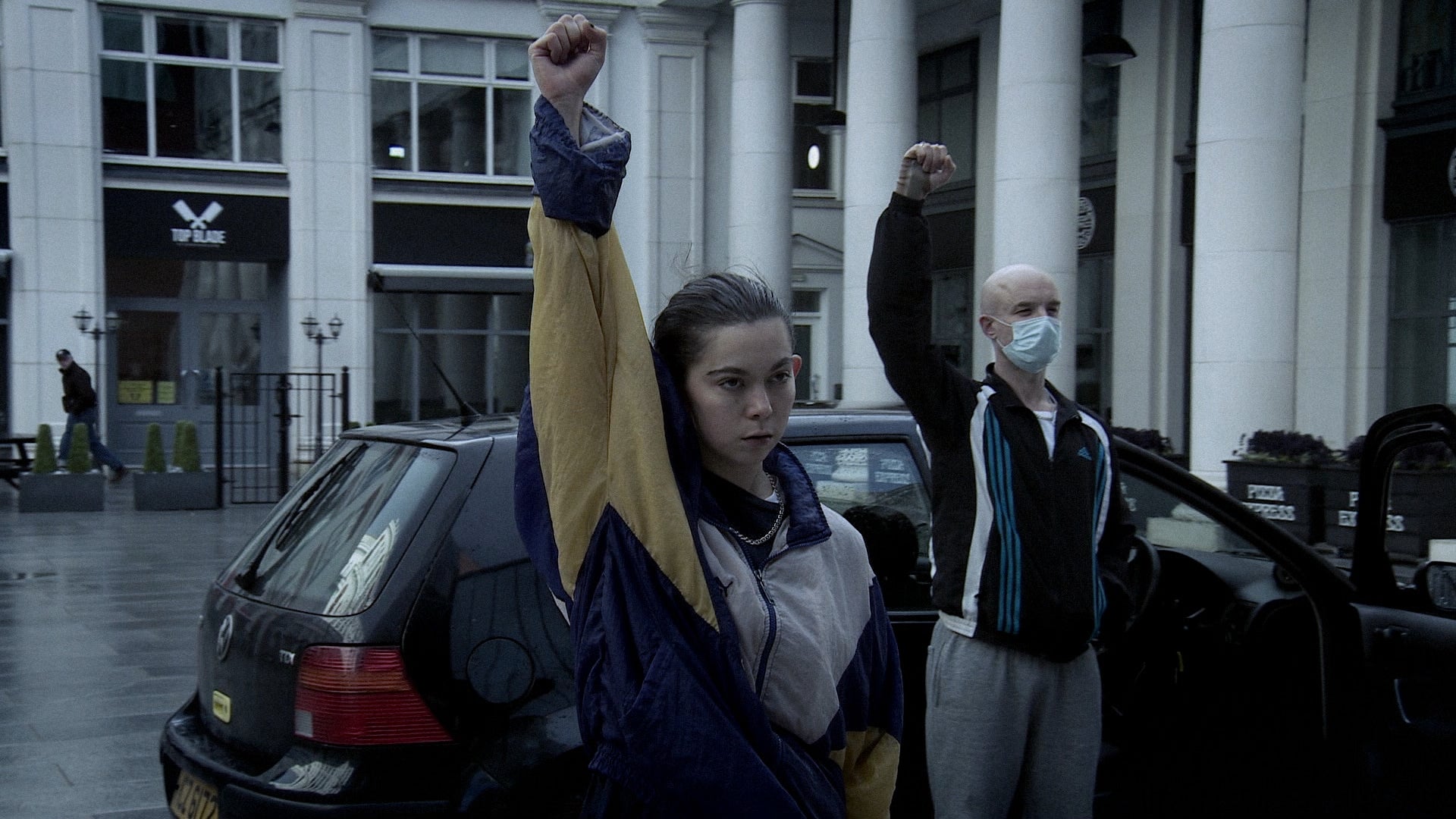
Inspired by a real-life incident years ago, when police bust in on Joseph Toonga after a neighbour complained about noise, and he had to prove he was a dance student to them and had done nothing wrong, “Born to Manifest” is a brutal and brittle concrete slab of dance. Toonga's choreography sits neatly alongside the cultural signifiers of black culture, where racially-motivated police brutality isn't merely alluded to but represented in an unflinching way in hip-hop, film and literature. I'm reminded of tracks like Public Enemy's “Fight the Power,” Ruthless Rap Assassins' “Justice” and Childish Gambino's “This Is America.” It's...
Michael Keegan-Dolan’s first production with his company Teaċ Daṁsa was a version of “Swan Lake” reworked into a critique of the Catholic church. With “MÁM,” the Irish dancemaker continues to probe the keystones of Irish culture, this time with a more impressionistic lens. The new work glides through a fog of cigarettes and dance halls, intimacy and anguish, craggy sea cliffs and whispers of holy ghosts. Its scope is cosmic and targeted at once, hitching the profundities of existence to the minutiae of everyday life. Mám means ‘mountain pass,’ but it can also refer to an obligation or a handful...
Long before the dancers take the stage, Dance Theatre of Harlem’s season at New York City Center feels like one of the most energizing cultural events of the spring.
It is rare for George Balanchine’s grand, bedazzled “Symphony in C” to open a program. Its champagne-popping finale for 52 dancers tends to be a nightcap.
The Spring is Blooming festival, by Dance Reflections by Van Cleef & Arpels, now in its fifth year, has become a highlight of the spring dance circuit.
As the audience come to their feet at the end of this ballet there is a noted difference to be seen on stage. Three women stand with joined hands, taking their call as the romantic leads of a loud and proud lesbian ballet.
One of San Francisco Ballet’s greatest assets is its home venue, the Beaux-Arts style War Memorial Opera House, with four rings of seating that require performers to project their energies practically to the exosphere.