One of the reasons to see “Is it Thursday Yet?,” the new collaboration between choreographers Sonya Tayeh and Jenn Freeman inspired by Freeman’s diagnosis with Autism Spectrum Disorder, has little to do with the show itself.
Casting is central to the most recent revival of Pina Bausch’s “The Rite of Spring.” Touring with a new duet entitled “common ground[s],” the mixed bill was put together as an homage to Bausch. While Bausch’s 1975 masterwork features 34 extremely talented, diversely trained dancers from 14 African countries, “common ground[s]” creates an entire universe with just two captivating dancers in their seventies: Senegalese-French choreographer Germaine Acogny, founder of the international education center for traditional and contemporary African dances, Ecole des Sables, and the French dancer Malou Airaudo, who is a former member of Bausch’s Tanztheater Wuppertal. The show, co-produced...
Paris Opera Ballet presented an all-Robbins program at the Garnier from October 24 to November 10: “En Sol,” “In the Night,” and “The Concert,” all works Jerome Robbins made for New York City Ballet.
Watching George Balanchine’s “The Nutcracker” the other night at New York City Ballet, I was struck, once again, by the sense of balance it both portrays and embodies.
As the lights dim in Sadler’s Wells, I am struck by how dark the theatre I’m sitting in is. These few moments before a show begins create a unique situation of near complete trust on the audience; there’s no light, natural or artificial.
During the past ten years, Jody Sperling has created a portfolio of dance works that calls for action to protect and preserve the environment. She has traveled to the Arctic to dance on disappearing ice.
To stand out in a sea of world premieres, honesty and emotionality are key, if Repertory Dance Theatre’s most recent program, “Venture,” is any indication.
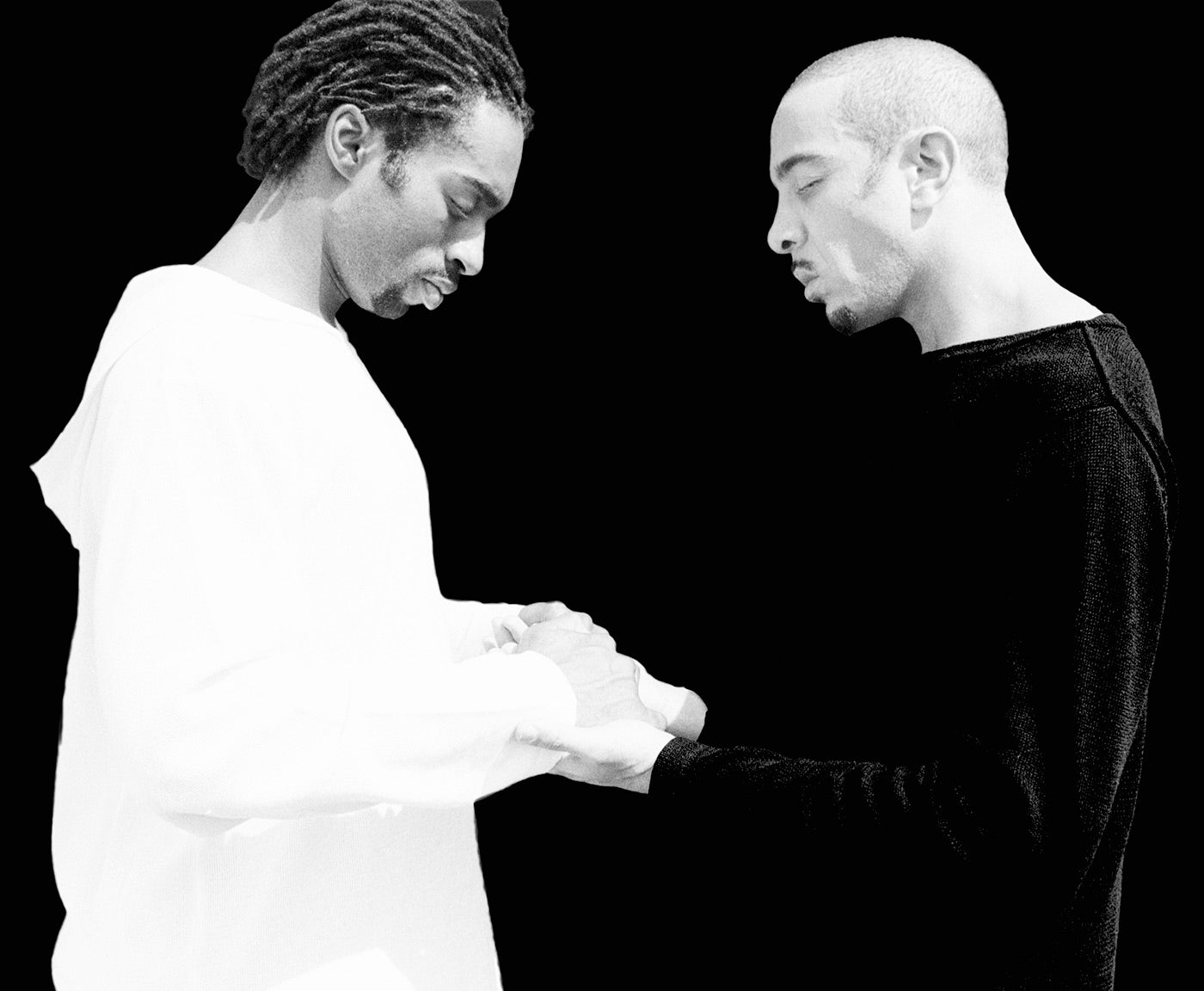
On the cusp of celebrating their company’s milestone anniversary, Dwight Rhoden and Desmond Richardson, who co-founded the New York-based Complexions Contemporary Ballet in 1994, still have plenty to say, both onstage and off.
To Sir Frederick Ashton’s fast footwork and musicality belongs the Australian Ballet’s double bill “The Dream” and “Marguerite & Armand.” To the charming misadventure distillation of Shakespeare’s A Midsummer Night’s Dream bubbles “The Dream.”
The moment arrived two-thirds into the program, near the peak of Donald Byrd’s “Love and Loss.” For more than an hour, the beautiful bodies on screen had been doing eloquent things, to curiously numbing effect.
Long before the dancers take the stage, Dance Theatre of Harlem’s season at New York City Center feels like one of the most energizing cultural events of the spring.
It is rare for George Balanchine’s grand, bedazzled “Symphony in C” to open a program. Its champagne-popping finale for 52 dancers tends to be a nightcap.
The Spring is Blooming festival, by Dance Reflections by Van Cleef & Arpels, now in its fifth year, has become a highlight of the spring dance circuit.
As the audience come to their feet at the end of this ballet there is a noted difference to be seen on stage. Three women stand with joined hands, taking their call as the romantic leads of a loud and proud lesbian ballet.
One of San Francisco Ballet’s greatest assets is its home venue, the Beaux-Arts style War Memorial Opera House, with four rings of seating that require performers to project their energies practically to the exosphere.