
Shakespearean Twist
It’s a drag to report that I had the urge to walk out of my first performance back in NYC after a long summer break.
Continue Reading

World-class review of ballet and dance.
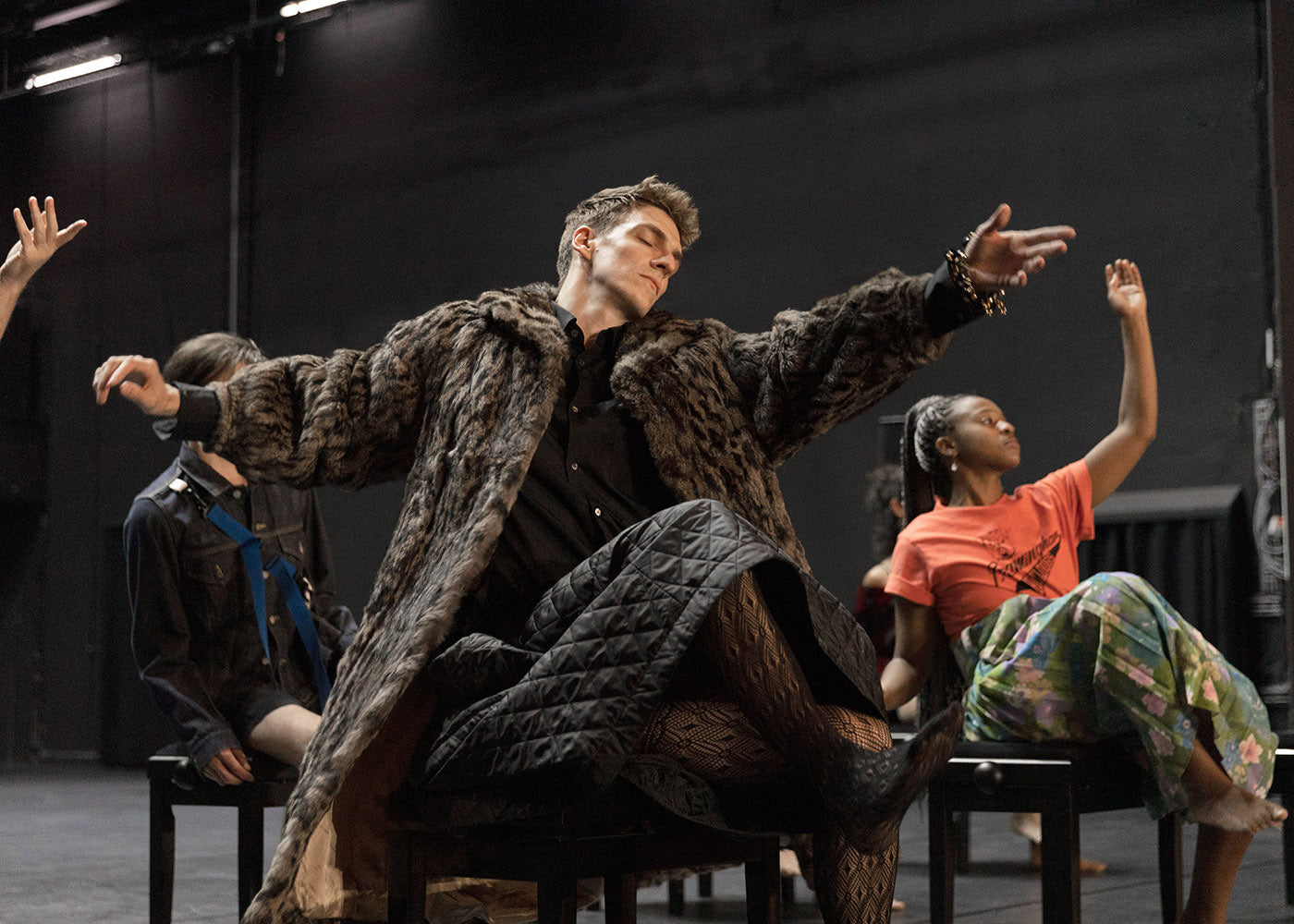
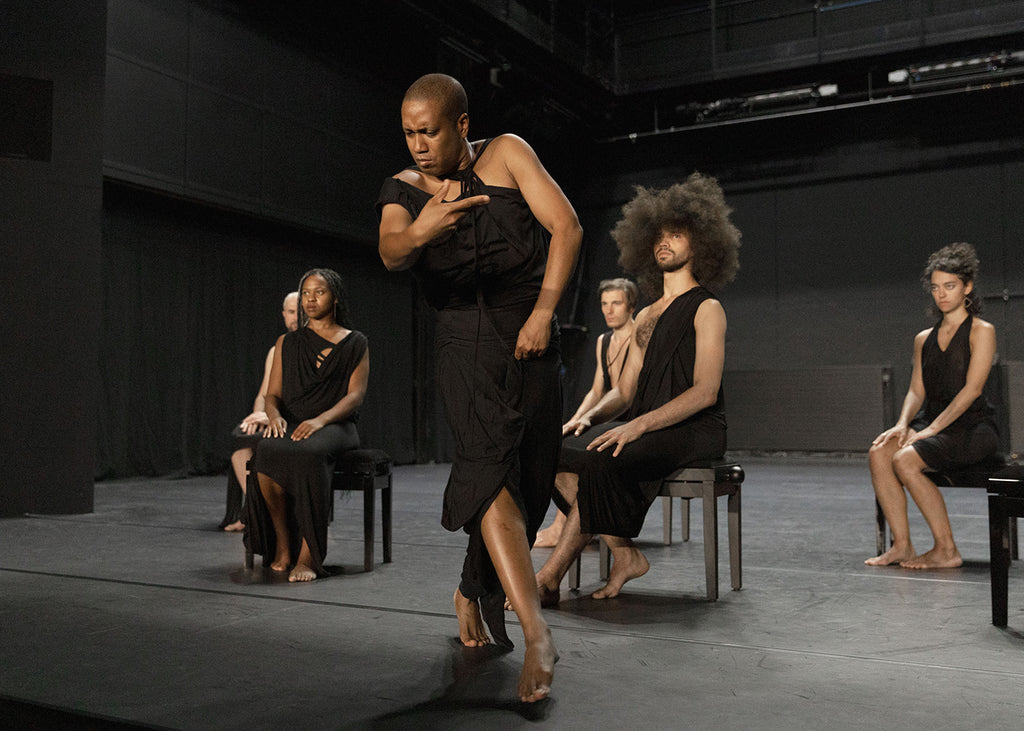
In a career spanning almost 30 years, American dancer-choreographer Trajal Harrell has created a body of work borne of a rich imagination and an enquiring mind. Taking some of the ideas underlying early modern and postmodern dance, voguing and butoh as starting points, Harrell’s choreographies cast a speculative gaze over dance and cultural history, presenting alternative scenarios through a unique movement language. The results are captivating and utterly original.
The inventiveness of Harrell’s work makes him much in demand. He and his company, Zürich Dance Ensemble, are regular invitees at major dance festivals, theatres and arts institutions across the world. Harrell undertook a two-year artist residency at MoMA (2014-2016) and staged a month-long performance exhibition, “Trajal Harrell: Hoochie Koochie,” at London’s Barbican (2017). He has also received several high-profile awards, including a Guggenheim Fellowship in 2012 and a Silver Lion at the 2024 Venice Biennale.

“Uncommonly intelligent, substantial coverage.”
Your weekly source for world-class dance reviews, interviews, articles, and more.
Already a paid subscriber? Login
It’s a drag to report that I had the urge to walk out of my first performance back in NYC after a long summer break.
Continue Reading
Things seem to be clicking in place for Mamela Nyamza. Her latest work “The Herd/Less” is touring the world while her recognition as a choreographer with a distinction for the subversive and political has earned her a Silver Lion for dance at the Venice Biennale.
Continue Reading
After taking a field trip in the second grade to see the Alvin Ailey American Dance Theater, Ronald K. Brown was inspired to take his first dance class at Bedford Stuyvesant Restoration Corporation, a Brooklyn-based community center.
Continue Reading
As much as it is a cliché to reference, there is something special in finding a work that so aptly fits that famous quote from George Balanchine: “See the music. Hear the dance.”
Continue Reading
comments