
The OG: Original Giselle
It’s customary at La Scala to stage “Giselle” every season, and almost always the same production from 1950 to the present day.
Continue Reading
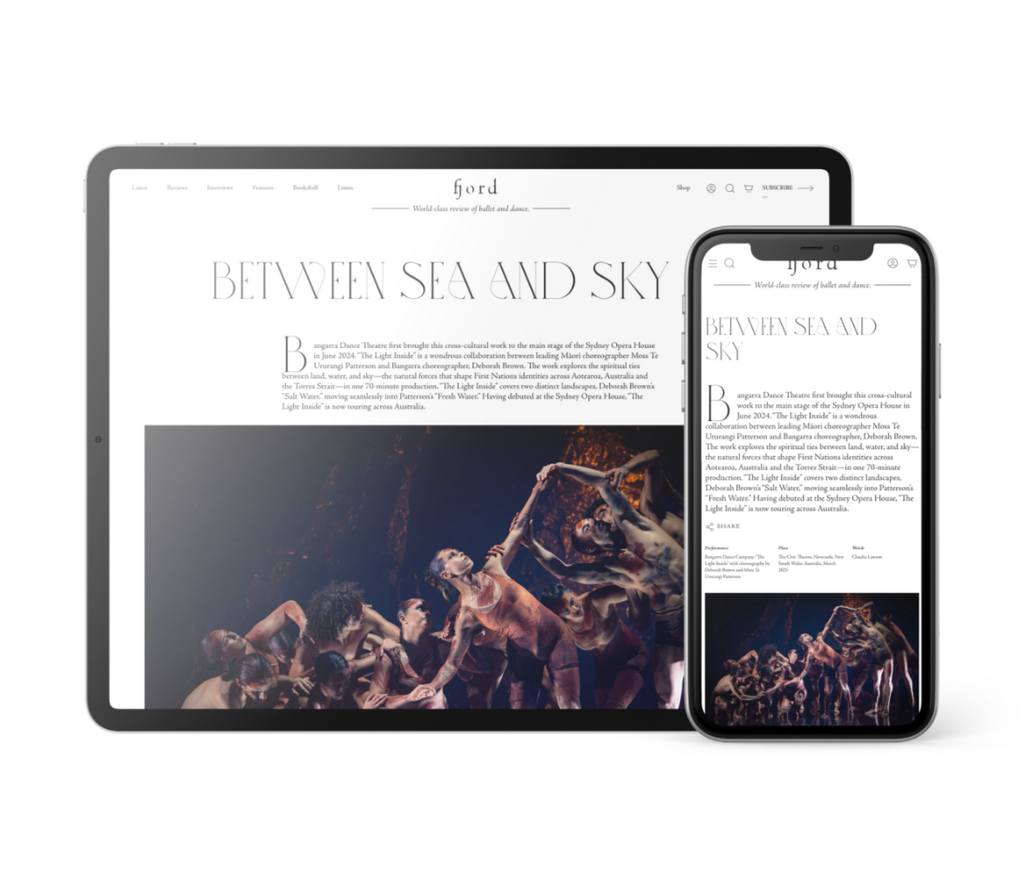
World-class review of ballet and dance.
We are all of us, beings, in a constant state of continual change. We humans are a composition of oxygen, carbon, and hydrogen. Our bodies are full of other chemical elements too, “heavier elements in lesser quantities, folded into our flesh like gold or rubies hidden in the earth. We are 3.2% nitrogen; 1.5% calcium; 1% phosphorus.” In order of occurrence, we are sulphur for our skin and hair, and sodium for our nerve transmission; we are chlorine, magnesium, and trace elements too. “These elements generally come to us via plants, who find them in the soil. In a very real sense, we are partly made of soil.”[1] At the opening night of Stephanie Lake’s new work, “The Chronicles,” at the Playhouse in Melbourne, presented as part of Rising Festival, we were in and of the soil, and it glittered with rubies.
Performance
Place
Words


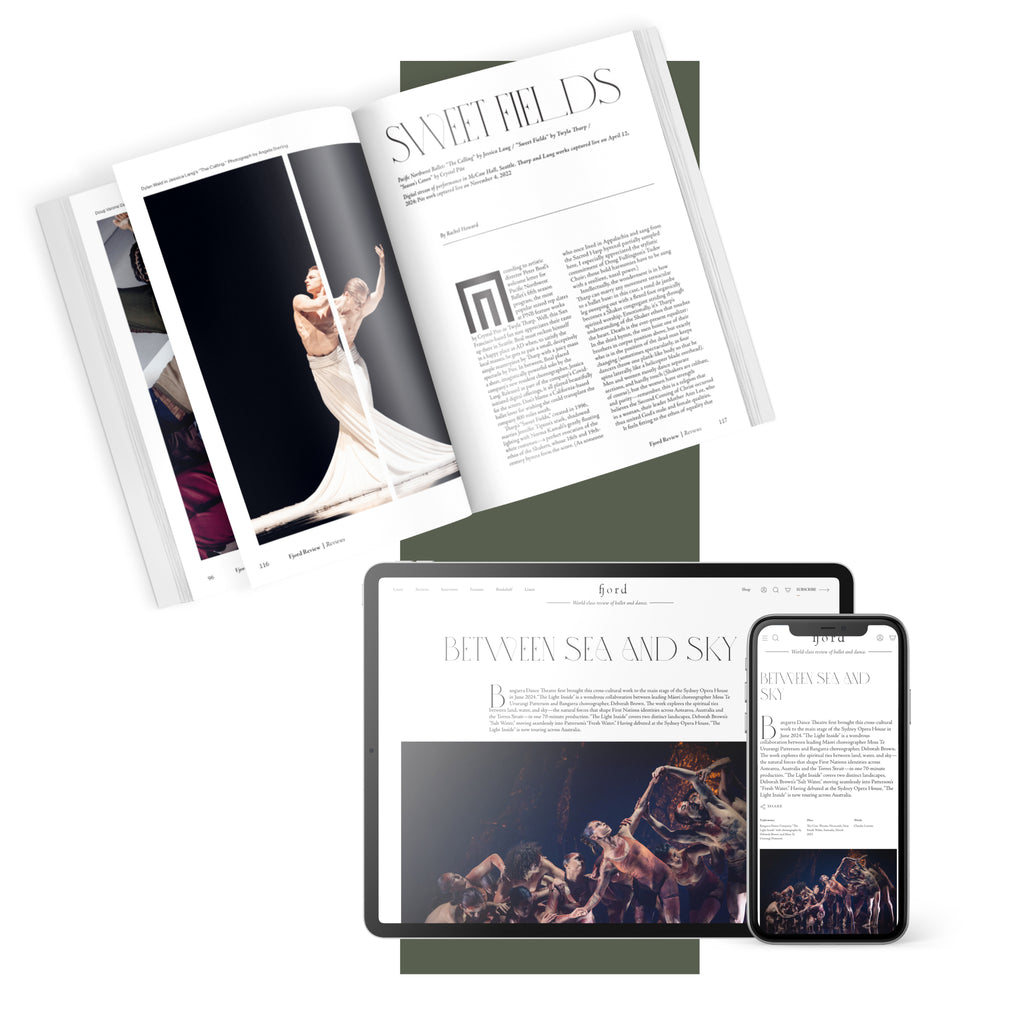
“Uncommonly intelligent, substantial coverage.”
Your weekly source for world-class dance reviews, interviews, articles, and more.
Already a paid subscriber? Login
It’s customary at La Scala to stage “Giselle” every season, and almost always the same production from 1950 to the present day.
Continue Reading
For a Jewish man, Jerome Robbins sure had a clear idea of heaven—in the ballet realm, anyway. In two elegiac dances made less than a year apart, “In Memory Of…” and “Quiet City,” he had dancers in white doing low arabesque flies in a shaft of light emanating from the back left corner of the stage.
Continue Reading
To travel around, like the Earth in its recurrent, elliptical revolution around the sun, is no mean feat. Touring is a complicated, lengthy and costly affair.
FREE ARTICLE
“Specky Clark” opens with a bang, then a whimper. The bang is the titular Specky’s mother, dropping dead onto the kitchen floor.
Continue Reading
comments