
On Criticism
On rare occasions, a dance seems to speak directly to me—often to my experiences as a dancer, sometimes to my humanity.
Continue Reading

World-class review of ballet and dance.
When dancer and choreographer Marla Phelan was a kid, she wanted to be an astronaut. “I always loved science and astronomy,” Phelan said. “I was dead-set on being an astronaut for a while.” Things took a different turn. Phelan got “swept up in dance;” she attended the Juilliard School. Phelan has since danced with Gibney Company, Hofesh Shechter, Akram Khan, and Punchdrunk's Sleep No More, and also started her own company, Movement Museum, for which she choreographs and directs.


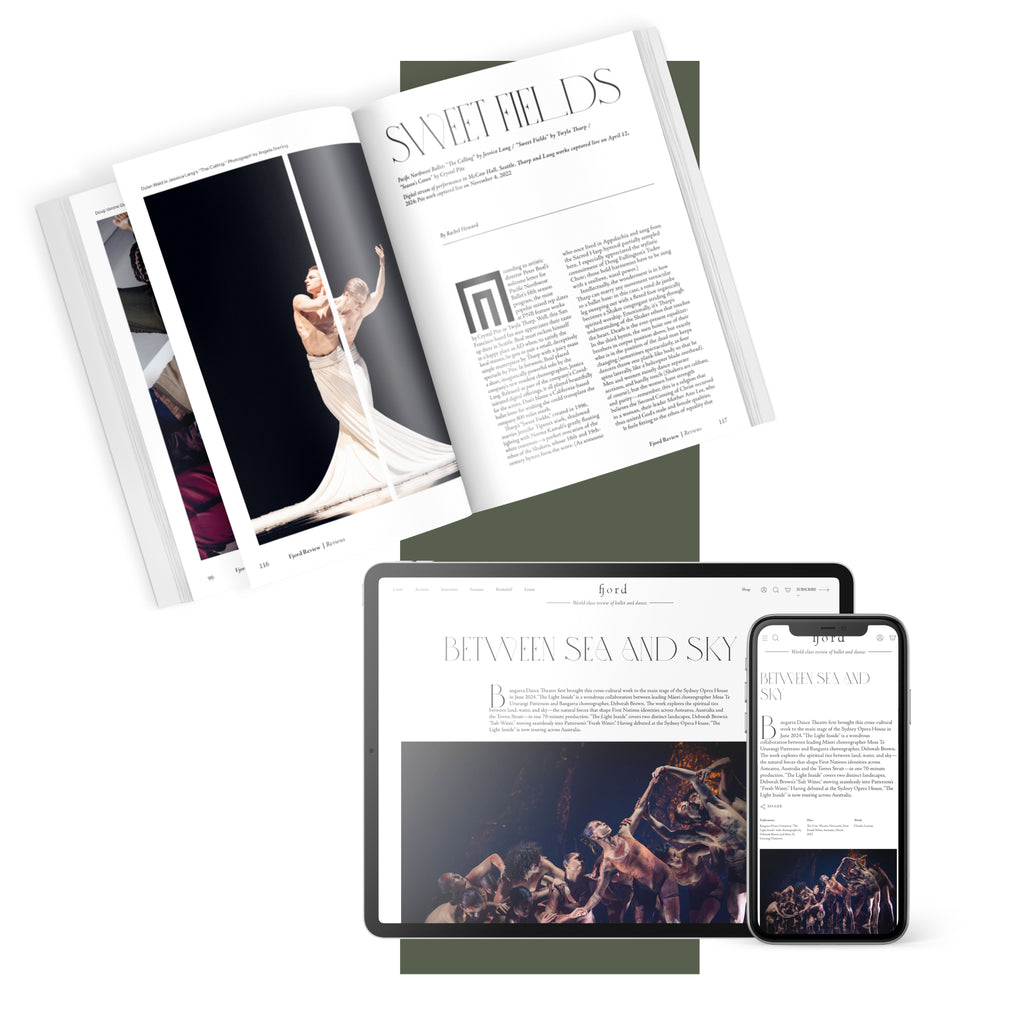
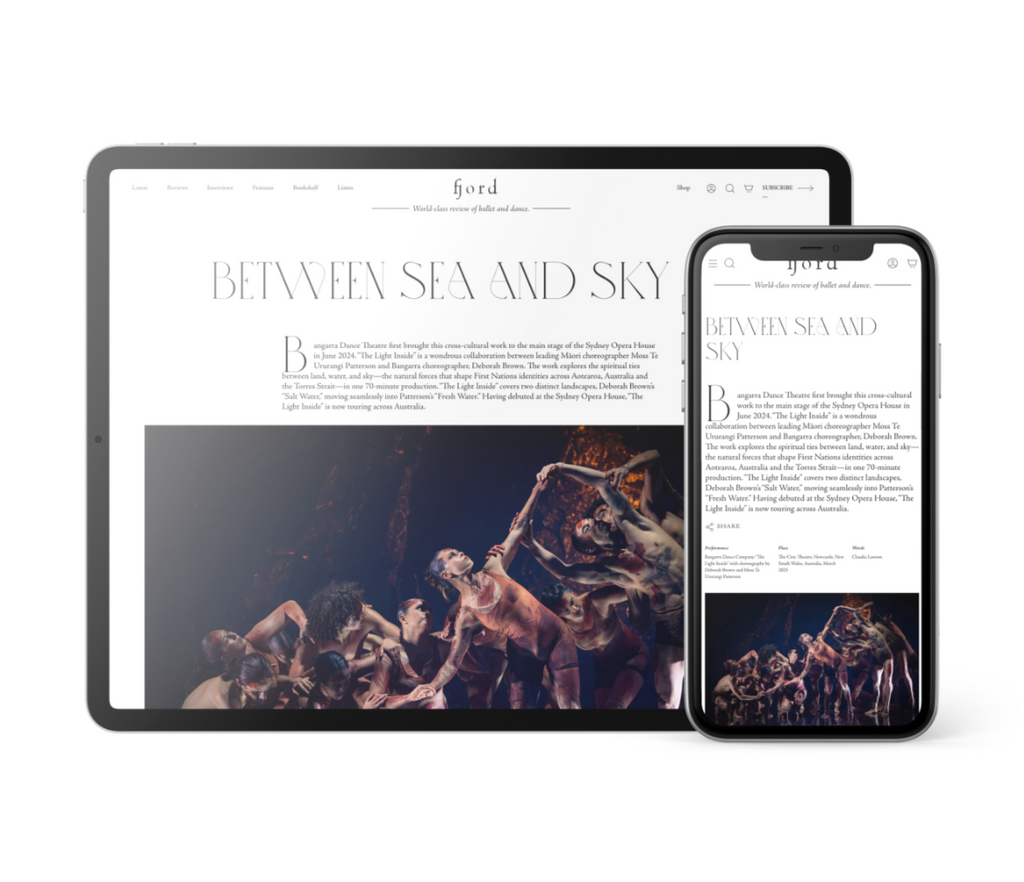
“Uncommonly intelligent, substantial coverage.”
Your weekly source for world-class dance reviews, interviews, articles, and more.
Already a paid subscriber? Login
On rare occasions, a dance seems to speak directly to me—often to my experiences as a dancer, sometimes to my humanity.
Continue Reading
I can’t take my eyes off the men. Stephen Haley, Joey Columbus, and Ian Debono each have solos in “Mazurkas” that emphasize the Limón posture full of elegance and pride.
Continue Reading
While the dancers traveled up from Florida, the Sarasota Ballet presented a taste of British sensibilities in its week-long engagement at the Joyce Theater.
Continue Reading
“This resting, patience” has been danced in cities ranging from Helsinki to Porto to Venice, and in all of them the crooning vocals of its most-repeated music, Burt Bacharach’s “What the World Needs Now Is Love,” must have been instantly familiar.
Continue Reading
comments