Sometimes, though, the repertory itself offers a different way: the revival of forgotten works from an earlier era that have long since fallen out of the repertory. If a piece hasn’t been seen in decades, it is almost as if it were new. And the very process of reconstructing it—using archival materials, film, research, dancers’ recollections—lends a new energy, illuminating the choreography from within. Reconstructing a dance is both an act of rediscovery and of creation. There will always be gaps in the record: a moment in the video that is simply impossible to make out, a missing page of notes, a passage that no one quite remembers. What did this step look like? Is it reminiscent of a moment in another dance? Does it hold within it some essence of the time and situation in which the dance was created? By asking such questions, stagers, and dancers, think deeply about a dance and make it anew.
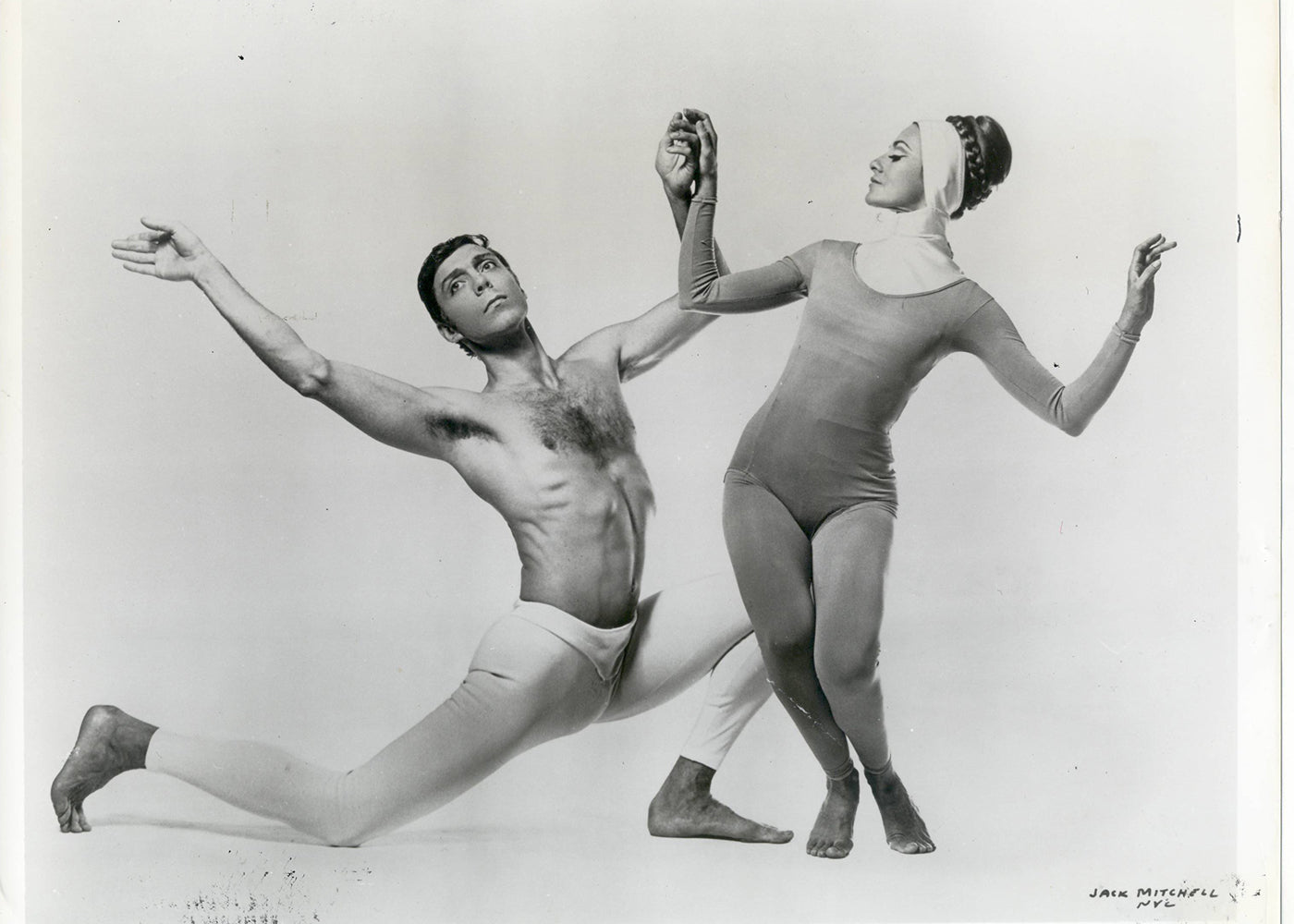
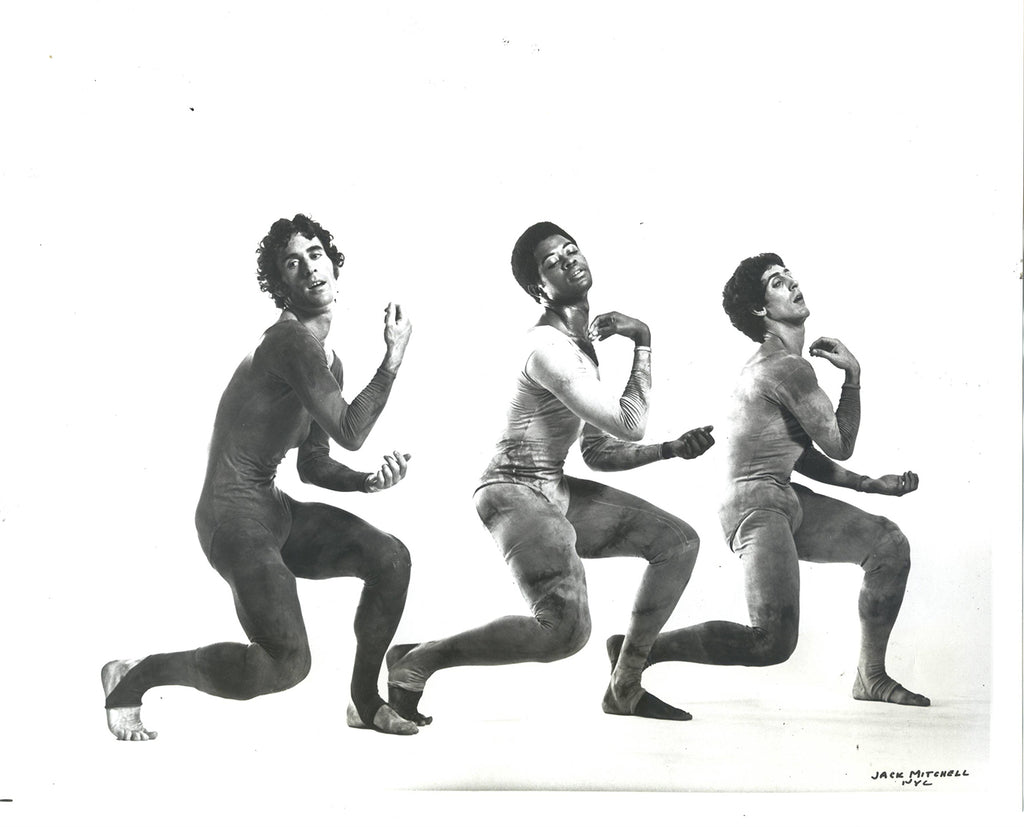
On June 17–22 at the Joyce Theater, the Paul Taylor Dance Company will bring back two Taylor dances not seen since the early 1970s. The earliest, “Tablet,” from 1960, was made for Pina Bausch (a member of the company from 1960–1962) and Dan Wagoner, and has whimsical designs by Ellsworth Kelly. “Churchyard” (1969) is one of Taylor’s studies of human nature, as well as an indictment of the hypocrisy of religion. Both works reveal aspects of Taylor that are simultaneously familiar and surprising.
I spoke with Michael Novak, director of Taylor, recently about the revivals.
You're bringing back “Tablet” and “Churchyard.” How does bringing back these dances fit into your larger mission for the Taylor Company?
Michael Novak: I'm obsessed with this notion of what's timeless and timely, and the intersection of the two. When I go back into the vault of Paul Taylor's repertoire, I’m amazed at how avant-garde some of the work is. If you were to put a contemporary choreographer’s name on it, people would think it was brand new, boundary-pushing work. Take “Tablet,” for example, with designs by Ellsworth Kelly. The use of color and shapes is abstract, geometric, curious. I think it lends itself quite well to the now.
Tell me about “Churchyard”—what is it like?
Paul and Betty had discussed reviving “Churchyard” many years ago. There’s only one video, and the quality is poor. Bettie de Jong [who joined the company in 1962] was adamant: “I can bring it back, but I’ll need alumni, especially Nicholas Gunn.” In some parts of the video the light is too bright and you can’t see anything. And Paul’s notes are very hard to read. But Jennifer Tipton’s [the lighting designer] notes were a kind of Rosetta Stone. So, between the video, Tipton’s notes, and the original score, which includes choreographic notes, we figured we could do it. I'm stitching all of that together to bring back “Churchyard.”






Dear Jeannette, Neither of these dances had Labanotation scores. I’m sure the reconstructors wish they did.
Best,
Marina
Nowhere in this article is it mentioned that Paul Taylor was a huge proponent of Labanotation, a system of movement notation that accurately records and preserves choreography so that future companies may perform the works as the choreographer intended.The Dance Notation Bureau has in its files 50 scores of notated works by Taylor, which may include the ones being reconstructed.