
Classic Beauty
The curtain rises on a fairy-tale and the theatre around me all but disappears. There is the sensation that I am turning the pages of Charles Perrault’s 1697 telling of Sleeping Beauty.
Continue Reading

World-class review of ballet and dance.
The questions that the choreographic duo known as Baye & Asa—Sam “Asa” Pratt and Amadi “Baye” Washington—set out to answer in their in-progress work, “At the Altar” may or may not be rhetorical: Who or what do we worship? How do we worship? Who are the righteous? Who are the blasphemous?
Performance
Place
Words


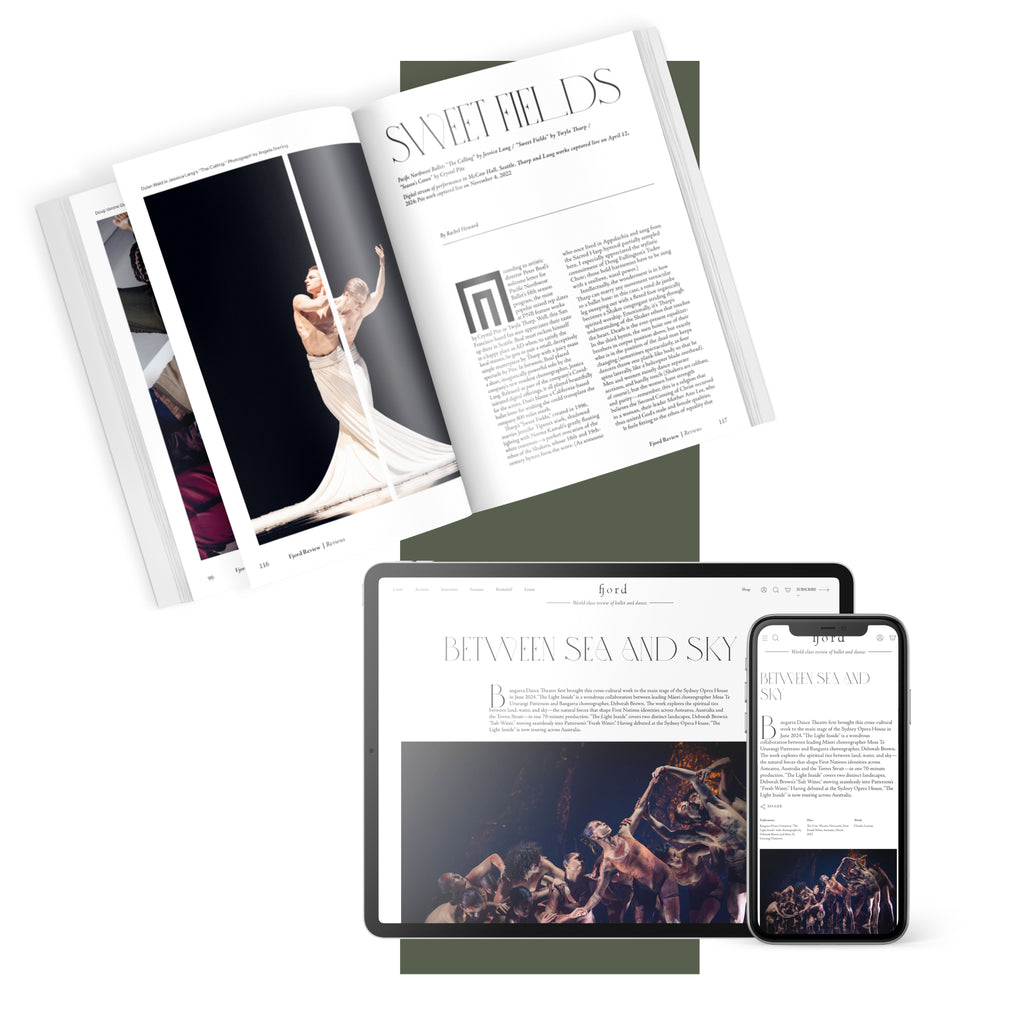
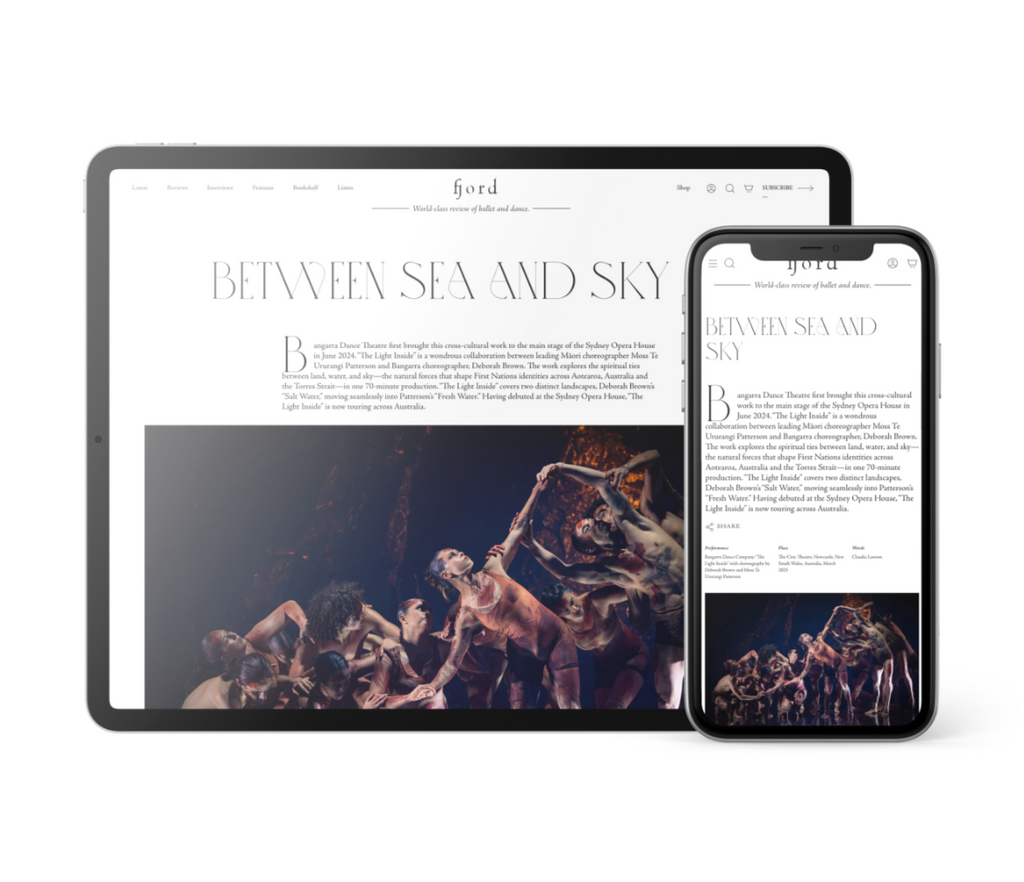
“Uncommonly intelligent, substantial coverage.”
Your weekly source for world-class dance reviews, interviews, articles, and more.
Already a paid subscriber? Login
The curtain rises on a fairy-tale and the theatre around me all but disappears. There is the sensation that I am turning the pages of Charles Perrault’s 1697 telling of Sleeping Beauty.
Continue Reading
It’s important for young dance artists to have the space, time, and resources to create. With its mission of giving autonomy to dancers, Pangea Dance Collective, founded in 2022, is working to offer just that.
Continue Reading
Early in its 2026–27 season, the Paris Opera Ballet presents “Paysages intérieurs (Inner Landscapes),” and once again we are faced with the much-debated question of just how many contemporary mixed bills the company should programme.
Continue Reading
At the end of the year, Lucy Guerin will step down as founding artistic director of Lucy Guerin Inc, with Melanie Lane to take the helm in 2027, and a new company name to be revealed.
Continue Reading
comments