
On Criticism
On rare occasions, a dance seems to speak directly to me—often to my experiences as a dancer, sometimes to my humanity.
Continue Reading

World-class review of ballet and dance.
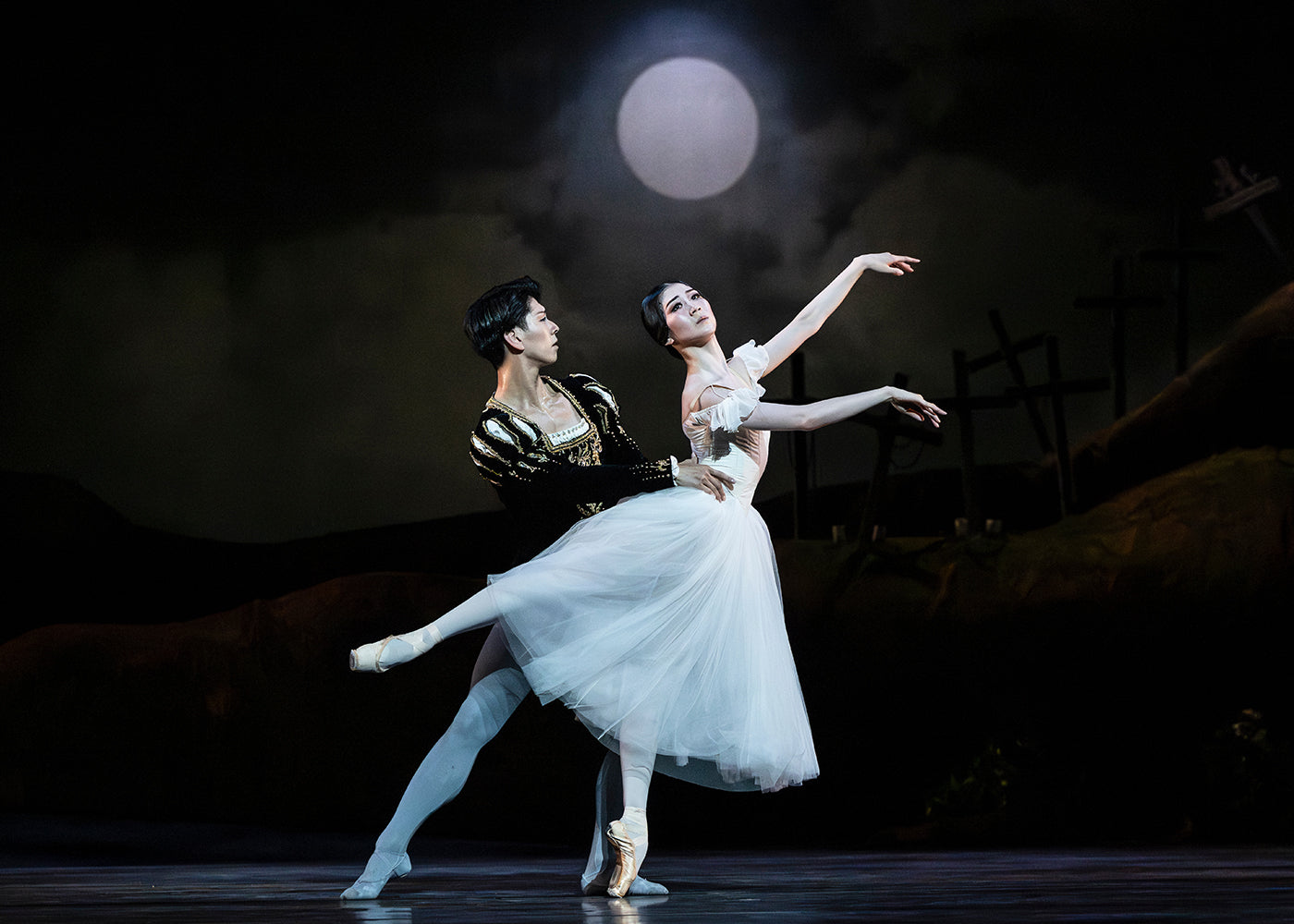
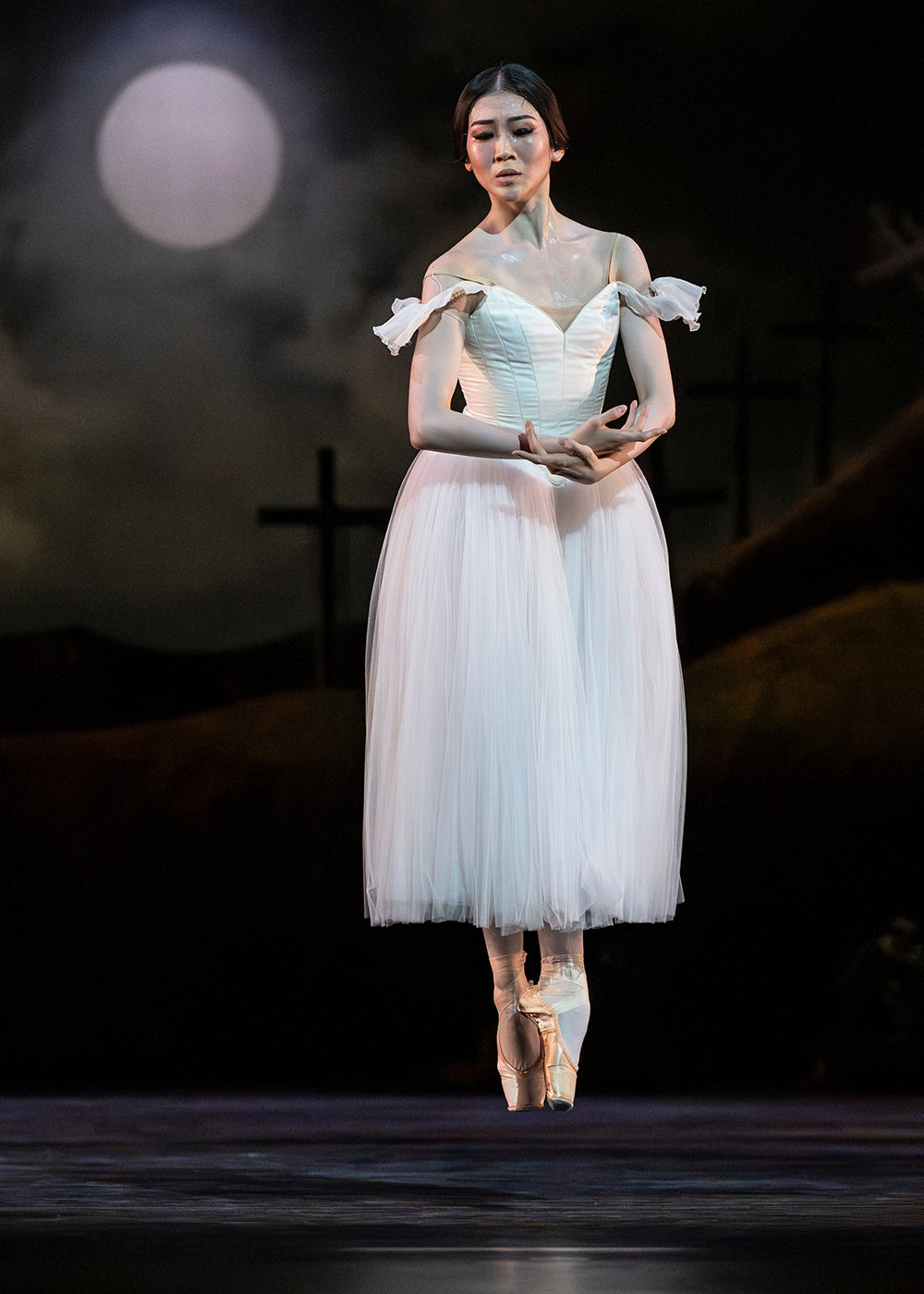
Why does “Giselle,” a ballet that premiered in 1841, still captivate audiences today? At first glance, the story feels outdated: a peasant girl, Giselle, is deceived by the nobleman Albrecht and dies of heartbreak. She is fragile, he is unfaithful, and by the ballet’s end, forgiveness is granted. But beneath this seemingly straightforward plot lies something far more layered. Nowhere is the expressive power of choreography–its capacity for ambiguity and nuance–more fully realized than in the role of Giselle herself. Her movements transcend the image of a betrayed lover, hinting at something deeper and more elusive.
Performance
Place
Words


“Uncommonly intelligent, substantial coverage.”
Your weekly source for world-class dance reviews, interviews, articles, and more.
Already a paid subscriber? Login
On rare occasions, a dance seems to speak directly to me—often to my experiences as a dancer, sometimes to my humanity.
Continue Reading
I can’t take my eyes off the men. Stephen Haley, Joey Columbus, and Ian Debono each have solos in “Mazurkas” that emphasize the Limón posture full of elegance and pride.
Continue Reading
While the dancers traveled up from Florida, the Sarasota Ballet presented a taste of British sensibilities in its week-long engagement at the Joyce Theater.
Continue Reading
“This resting, patience” has been danced in cities ranging from Helsinki to Porto to Venice, and in all of them the crooning vocals of its most-repeated music, Burt Bacharach’s “What the World Needs Now Is Love,” must have been instantly familiar.
Continue Reading
comments