
Un/Natural Behaviour
A night with Thick & Tight might look a little different to a standard evening of contemporary dance, in a few ways.
Plus

World-class review of ballet and dance.
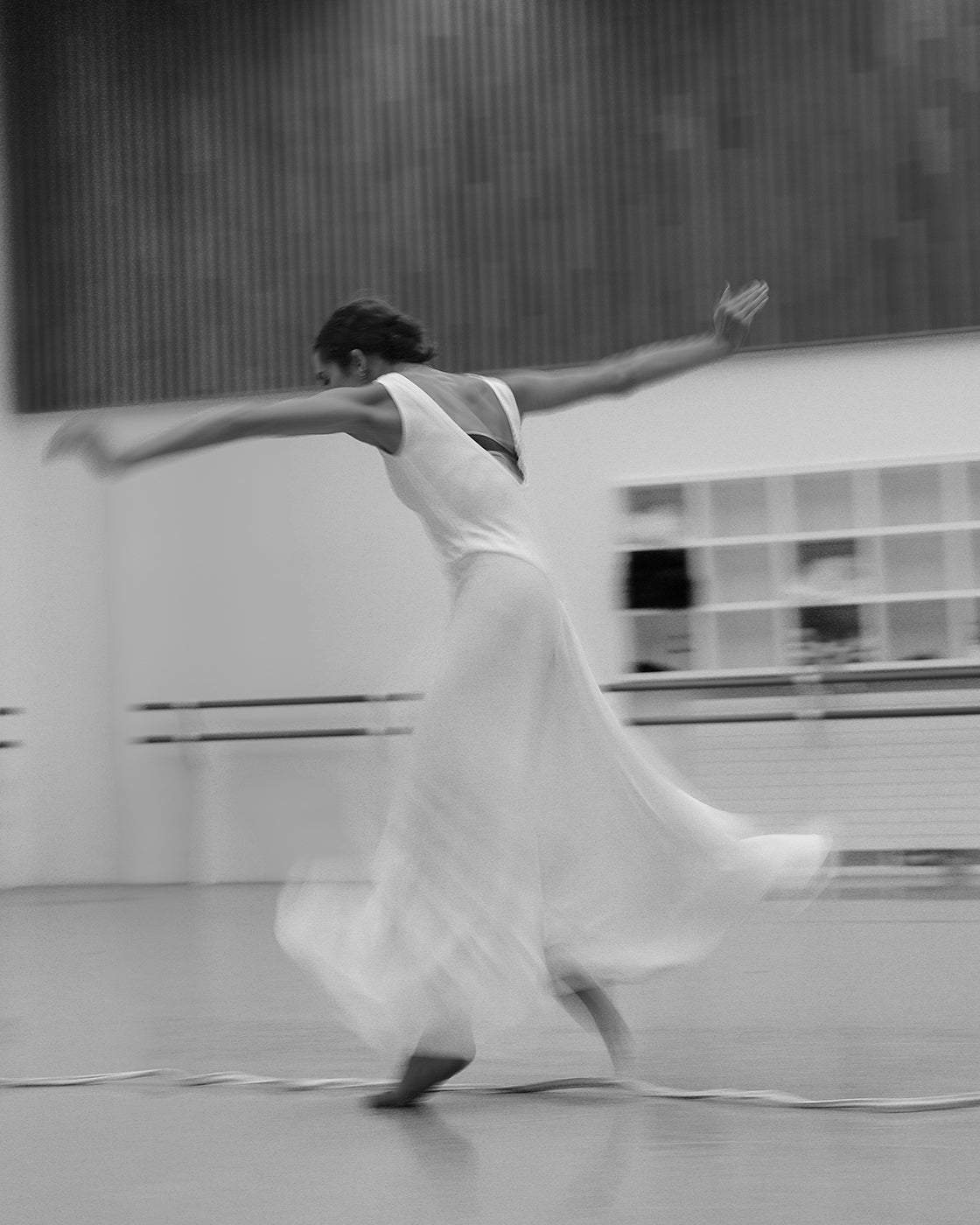
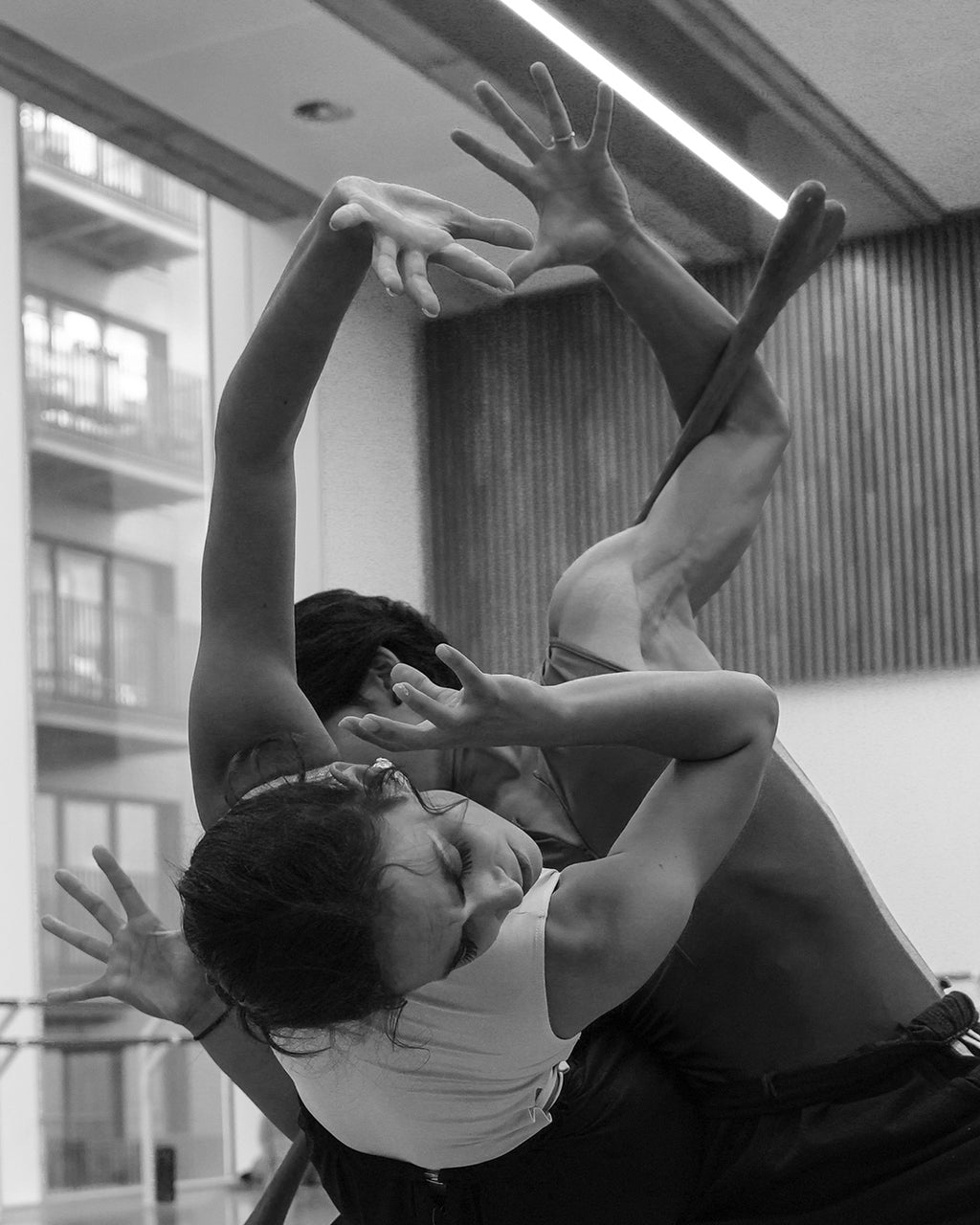
Martha Graham’s short ballet from 1947 “Errand into the Maze” takes inspiration from the epic Greek legend of the Minotaur’s Labyrinth. The tale sees the hero Theseus enter the maze in order to slay the beastly Minotaur, navigating his way out with a thread from the princess Ariadne. Graham’s rendition is less of a retelling and more of a recontextualization, according to Masha Maddux, stager and former principal dancer with the Martha Graham Dance Company.


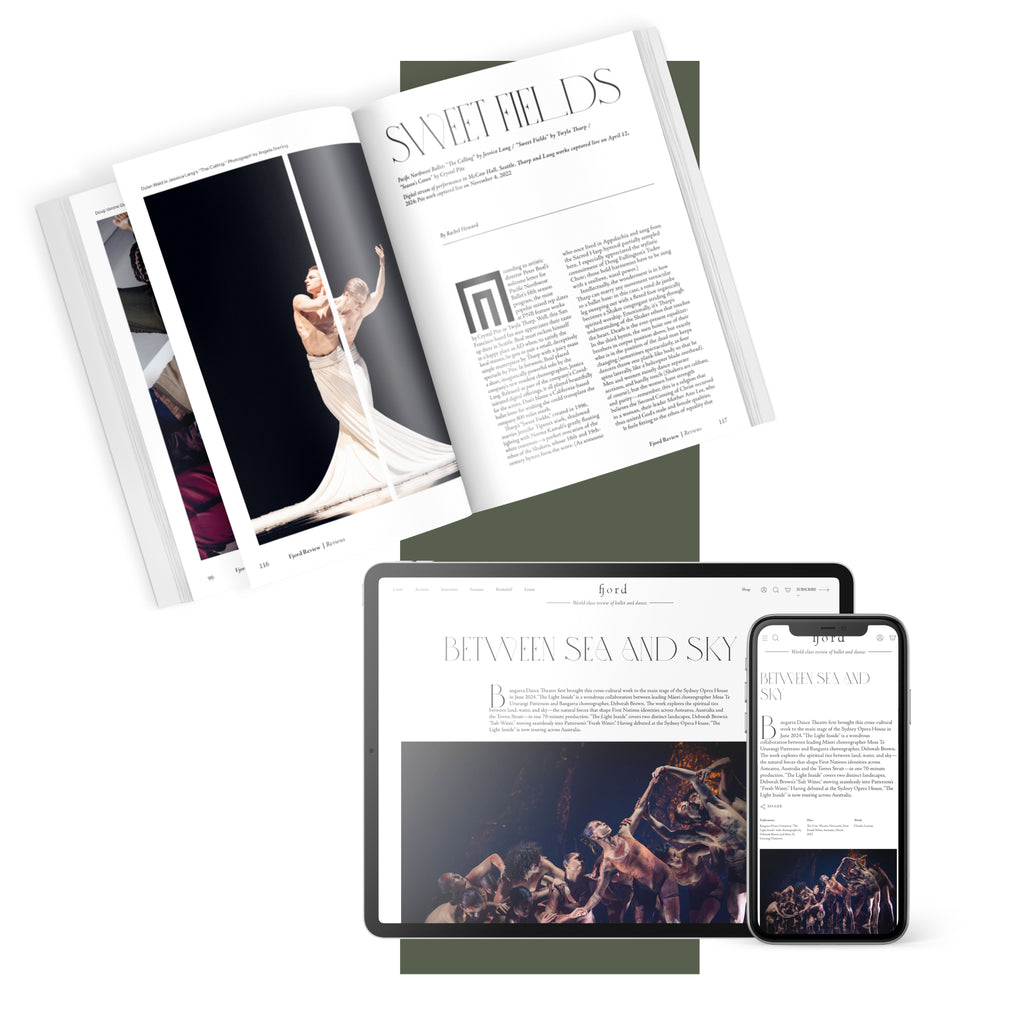
“Uncommonly intelligent, substantial coverage.”
Your weekly source for world-class dance reviews, interviews, articles, and more.
Already a paid subscriber? Login
A night with Thick & Tight might look a little different to a standard evening of contemporary dance, in a few ways.
Plus
It’s not often that you’ll get three competition kids together with the goal of not being the best. That was the goal of dancers Charlotte Mclean and Jack Anderson in collaboration with composer Malin Lewis.
Plus
You can't see the first character who appears in Kashia Kancey's “I Believed It Too,” which was presented at Baryshnikov Arts September 24-26. From behind the audience enters a veiled figure in a sequined gown. Her face is covered while her body oozes down a staircase, clinging to the railing as she bends and falls, descending onto the stage.
Plus
Northern Ballet is the little company that could. Often forgotten and in the shadow of larger UK companies, there is a sense of a new momentum since the takeover by Federico Bonneli of the Leeds-based outfit.
Plus
comments