
More than a Vampire Story
It’s important for young dance artists to have the space, time, and resources to create. With its mission of giving autonomy to dancers, Pangea Dance Collective, founded in 2022, is working to offer just that.
Plus

World-class review of ballet and dance.
The traditional striped kabuki curtain of black, persimmon and green hangs tattered and faded. It’s our first hint of destruction. As lights appear through burned out scorch-holes, we glimpse squared paper lanterns, an enigmatic figure in black (singer Maria Arnal), a bunraku puppet and a kabuki actor (Kazutaro Nakamura), peering out at the audience while applying his distinctive white face paste. In its world premiere in Tokyo, Spanish director and choreographer Marcos Morau’s new fusion production, “Kinkaku-ji” flares into brilliance, an abstract reflection on yearning and redemption.
Performance
Place
Words


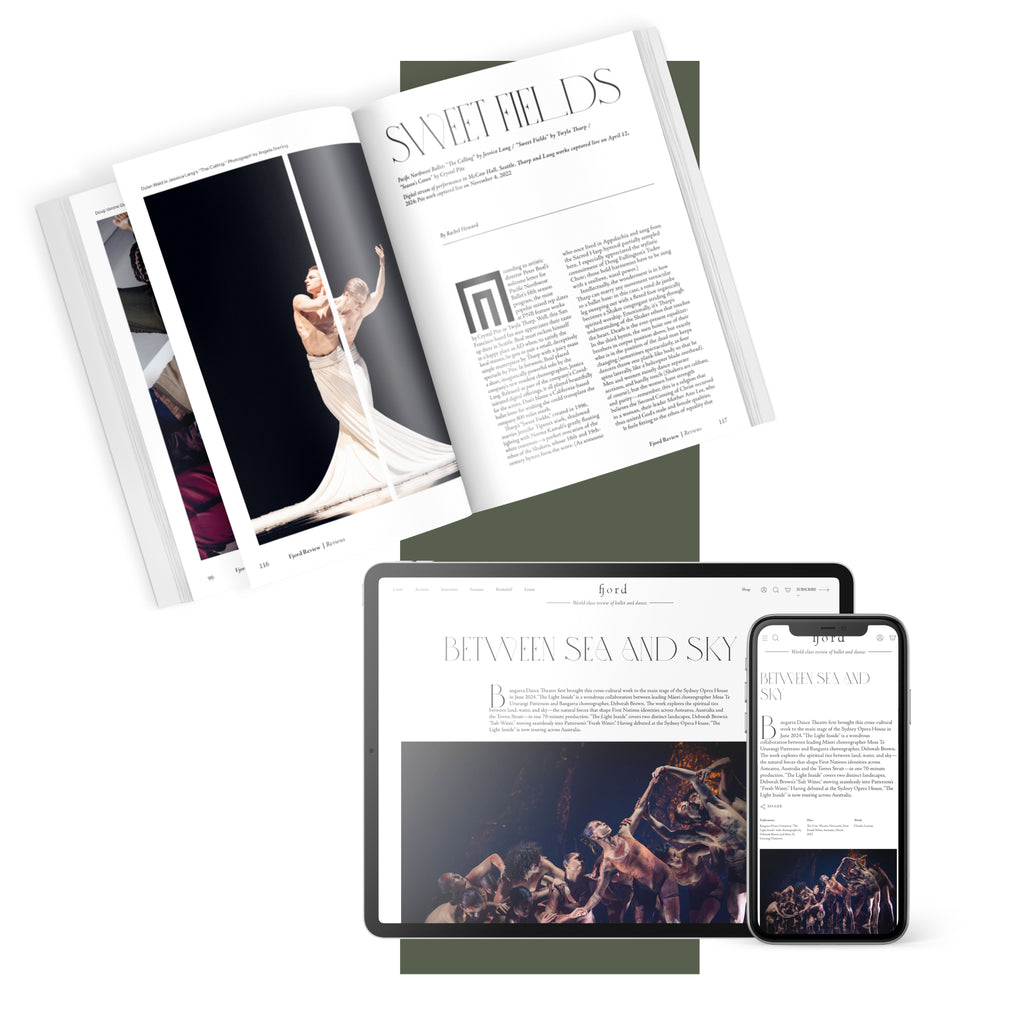
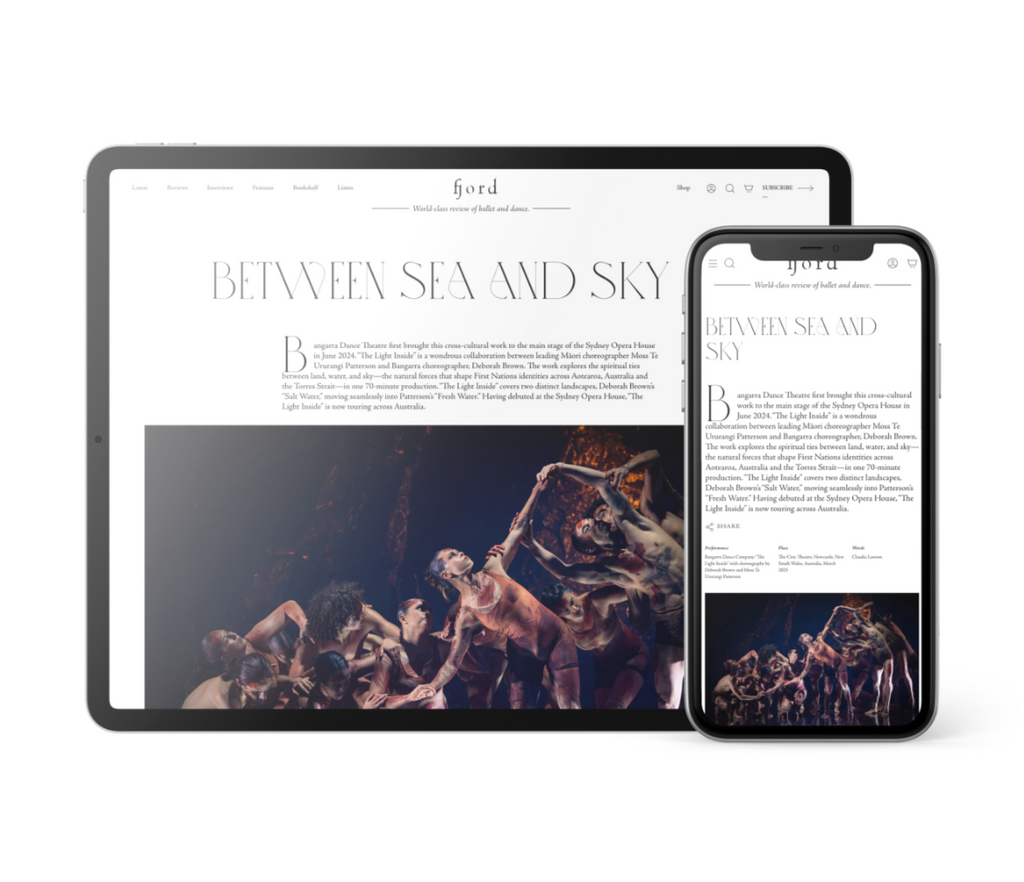
“Uncommonly intelligent, substantial coverage.”
Your weekly source for world-class dance reviews, interviews, articles, and more.
Already a paid subscriber? Login
It’s important for young dance artists to have the space, time, and resources to create. With its mission of giving autonomy to dancers, Pangea Dance Collective, founded in 2022, is working to offer just that.
Plus
Early in its 2026–27 season, the Paris Opera Ballet presents “Paysages intérieurs (Inner Landscapes),” and once again we are faced with the much-debated question of just how many contemporary mixed bills the company should programme.
Plus
At the end of the year, Lucy Guerin will step down as founding artistic director of Lucy Guerin Inc, with Melanie Lane to take the helm in 2027, and a new company name to be revealed.
Plus
Whether Rosalía really stood on pointe for four minutes while singing “Reliquia,” on “Saturday Night Live” recently, or it was some sort of television trickery, the sight of her steadfastness on toe came to mind when watching the brilliant dancers of Houston Ballet make their debut at Segerstrom Center for the Arts on opening night of their five-performance run of the West Coast premiere of “Sons de L’âme (Sounds of the Soul).”
Plus
comments