
On Criticism
On rare occasions, a dance seems to speak directly to me—often to my experiences as a dancer, sometimes to my humanity.
Plus

World-class review of ballet and dance.
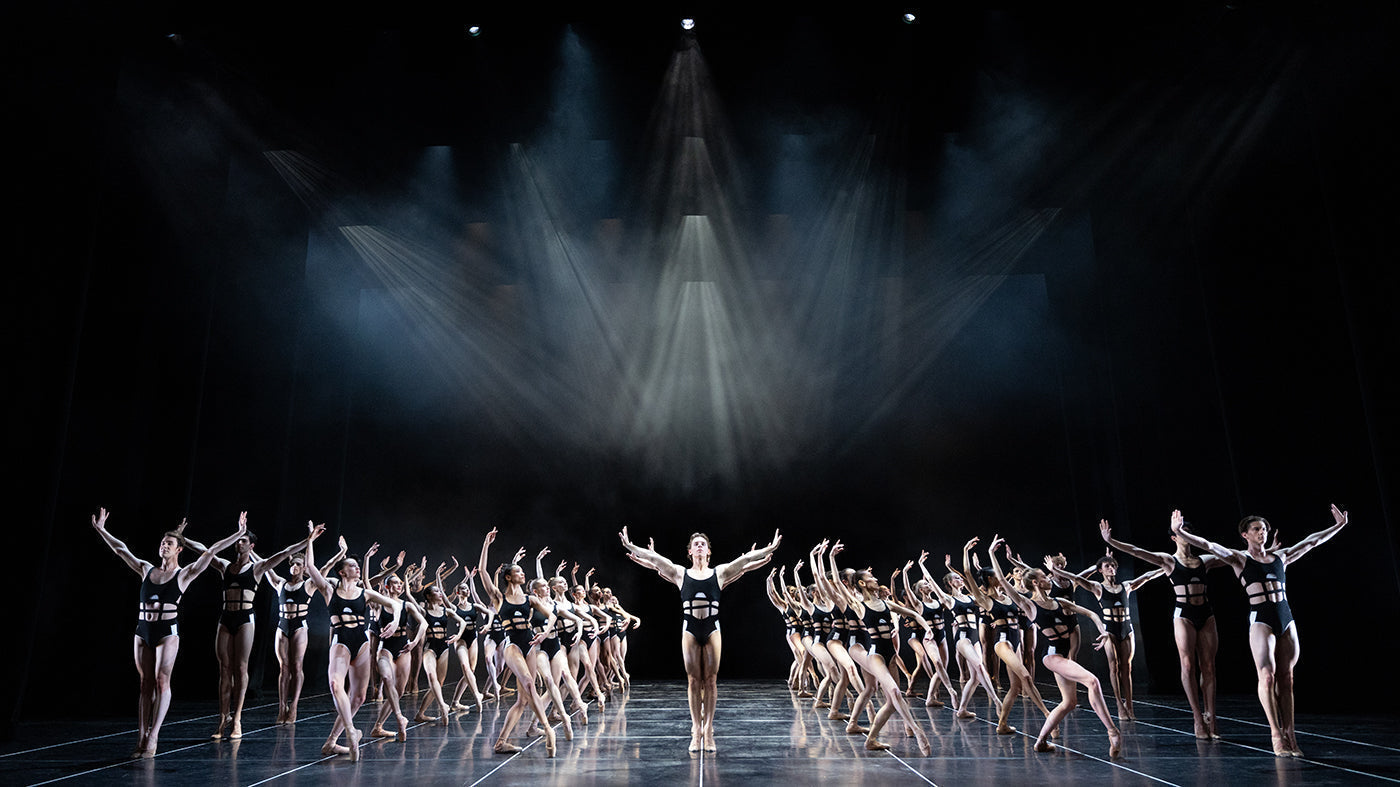
Programming, like staging and choreography, is an art, and Ángel Corella surpassed himself with all three in this early spring show featuring all new works. Since its inception in the early ’60s Philadelphia Ballet (then Pennsylvania Ballet) has been a Balanchine-influenced company. The costuming of all three works on this program reminded me of Mr. B’s black and white ballets, directing the eye to focus on the movement rather than the costumes or set design. Corella fashioned this program to highlight his own choreography, the world premiere of his ballet to Ravel’s Boléro. Subtly, like Ravel’s score, he built the entire program from slow and airy, to mid-tempo to its subito crescendo.
Performance
Place
Words


“Uncommonly intelligent, substantial coverage.”
Your weekly source for world-class dance reviews, interviews, articles, and more.
Already a paid subscriber? Login
On rare occasions, a dance seems to speak directly to me—often to my experiences as a dancer, sometimes to my humanity.
Plus
I can’t take my eyes off the men. Stephen Haley, Joey Columbus, and Ian Debono each have solos in “Mazurkas” that emphasize the Limón posture full of elegance and pride.
Plus
While the dancers traveled up from Florida, the Sarasota Ballet presented a taste of British sensibilities in its week-long engagement at the Joyce Theater.
Plus
“This resting, patience” has been danced in cities ranging from Helsinki to Porto to Venice, and in all of them the crooning vocals of its most-repeated music, Burt Bacharach’s “What the World Needs Now Is Love,” must have been instantly familiar.
Plus
comments