
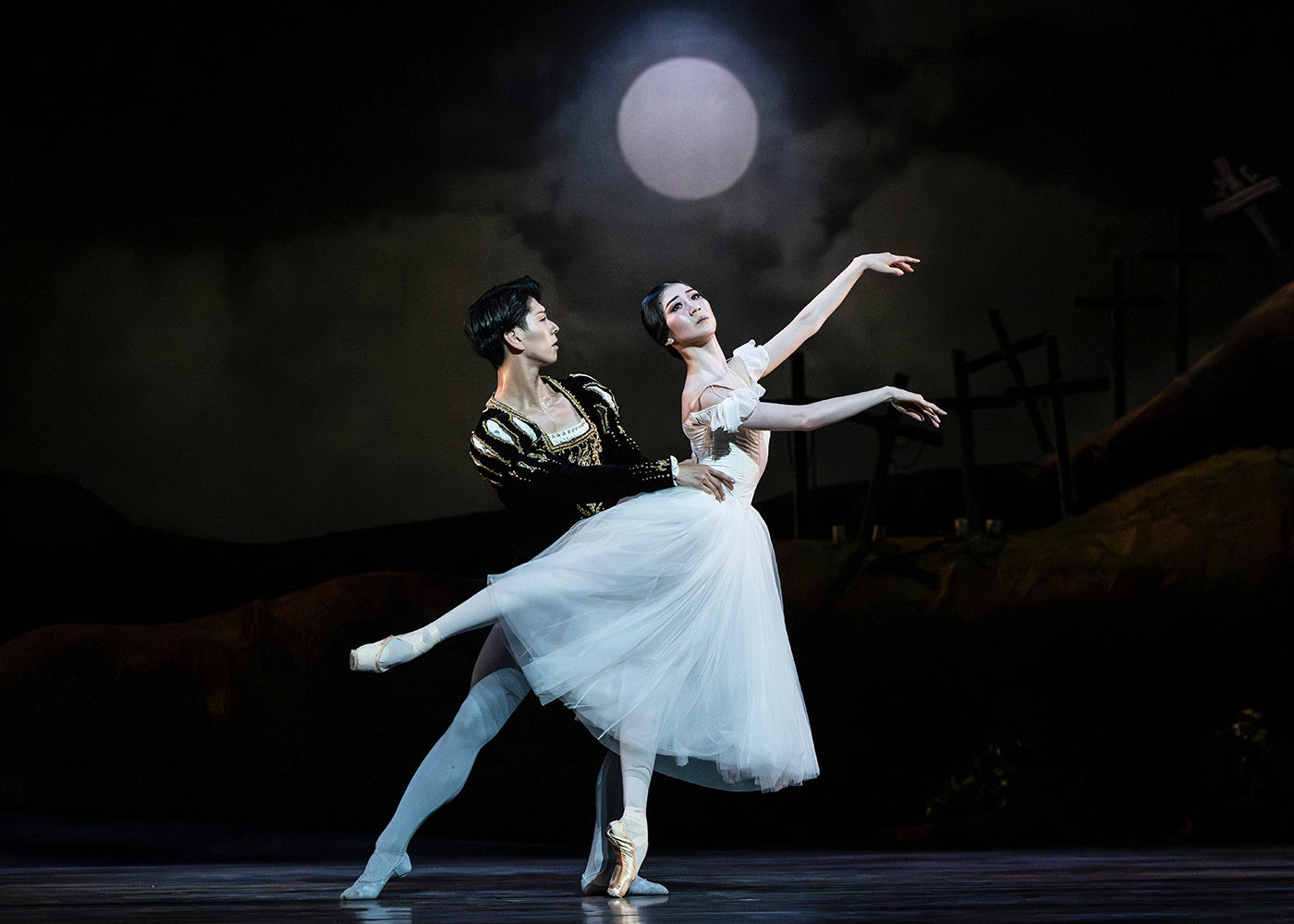
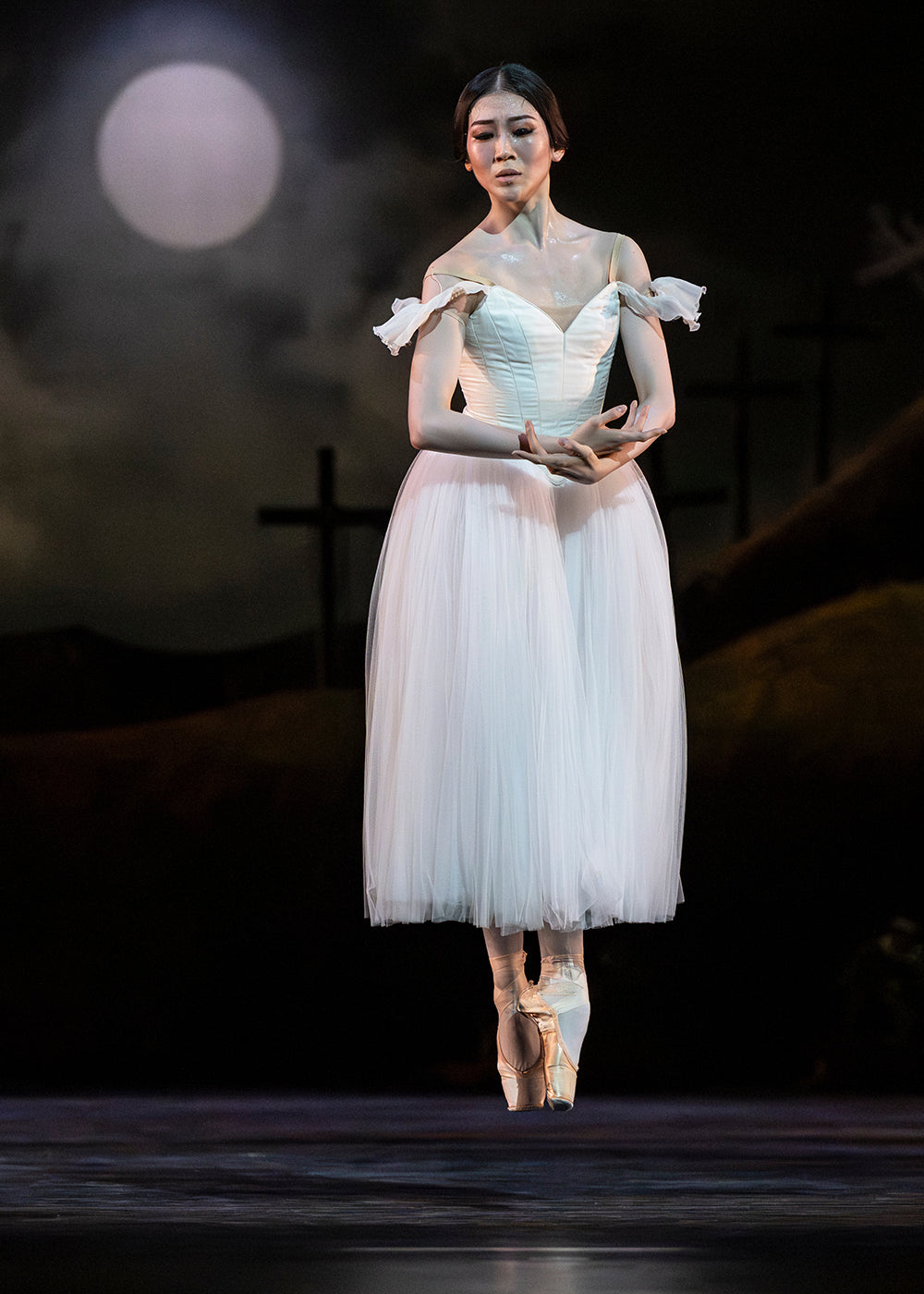
Why does “Giselle,” a ballet that premiered in 1841, still captivate audiences today? At first glance, the story feels outdated: a peasant girl, Giselle, is deceived by the nobleman Albrecht and dies of heartbreak. She is fragile, he is unfaithful, and by the ballet’s end, forgiveness is granted. But beneath this seemingly straightforward plot lies something far more layered. Nowhere is the expressive power of choreography–its capacity for ambiguity and nuance–more fully realized than in the role of Giselle herself. Her movements transcend the image of a betrayed lover, hinting at something deeper and more elusive.
Performance
Place
Words


subscribe to the latest in dance
“Uncommonly intelligent, substantial coverage.”
Your weekly source for world-class dance reviews, interviews, articles, and more.
Already a paid subscriber? Login
Featured

Myth Meets Grit
“Specky Clark” opens with a bang, then a whimper. The bang is the titular Specky’s mother, dropping dead onto the kitchen floor.
Plus
Bending the Process
The sought-after choreographer Aszure Barton and award-winning composer Ambrose Akinmusire bend their individual arcs toward one another in their collaborative, multi-disciplinary work titled “A a | a B : Bend,” presented as part of Lincoln Center’s Pasculano Collaborative for Contemporary Dance.
Plus
Dreamscapes
There's a wonderful collection of photographs from 1911 of Nijinsky taken by Auguste Bert. Nijinsky was 21 and at the peak of his dance career.
Plus
comments