
On Criticism
On rare occasions, a dance seems to speak directly to me—often to my experiences as a dancer, sometimes to my humanity.
Continue Reading

World-class review of ballet and dance.
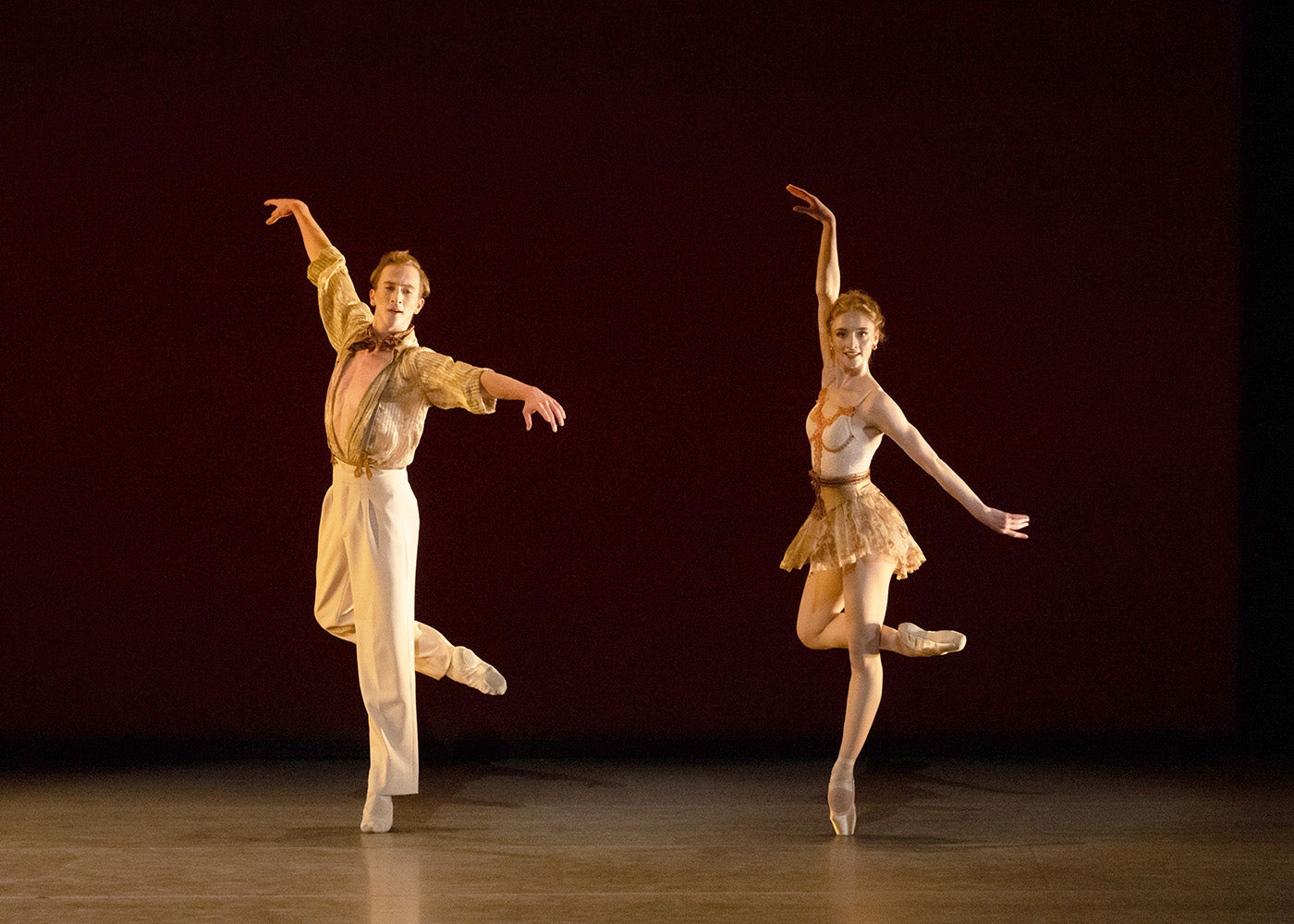
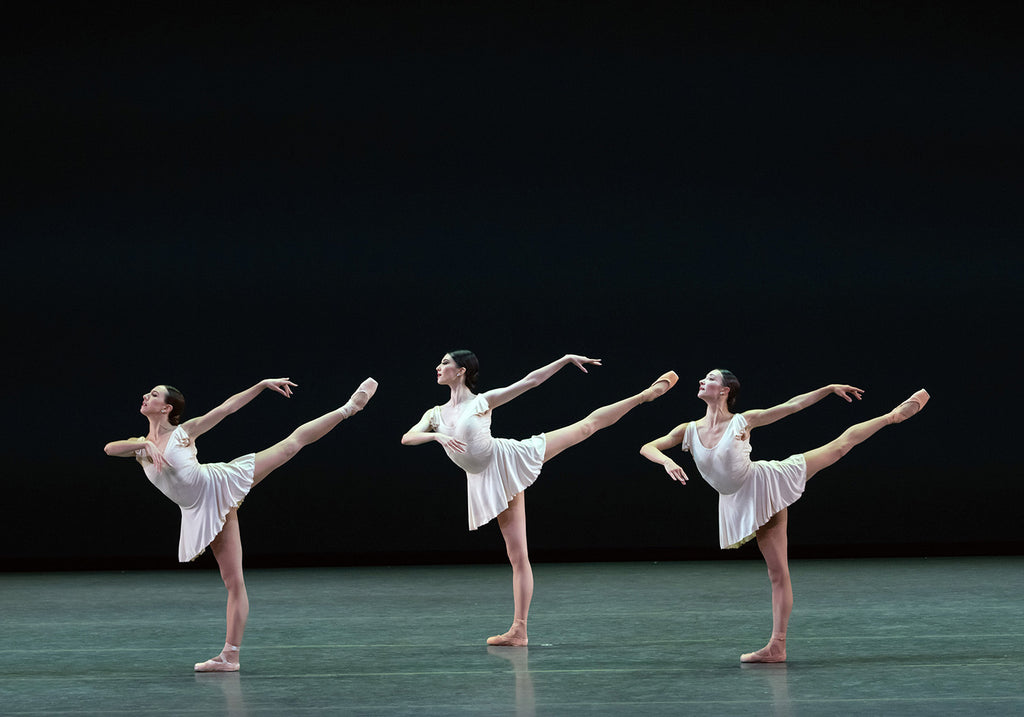
This fall, the American Ballet Theatre is celebrating its 85th anniversary by highlighting the choreographers key to the company’s history. Agnes de Mille, Antony Tudor, Frederick Ashton, Michel Fokine, Marius Petipa, George Balanchine and Alexei Ratmansky are all featured, but only Twyla Tharp got her own night. The triple bill “Twyla@60: A Tharp Celebration” led off the season, and there is even a bonus Tharp pas de deux on another program. I had no idea that Tharp was ABT’s most prolific choreographer to date, probably because only a few of her dances—“In the Upper Room,” “Deuce Coupe,” and “Sinatra Suite”—cycle through the active rep (and of those, only “Sinatra Suite” was made expressly for ABT, yet it too is an adaptation). But at sixteen ballets, she tops the leaderboard, and this Tharpian celebration-within-the-celebration made a strong case for more regular dives into ABT’s Tharp vault.
Performance
Place
Words


“Uncommonly intelligent, substantial coverage.”
Your weekly source for world-class dance reviews, interviews, articles, and more.
Already a paid subscriber? Login
On rare occasions, a dance seems to speak directly to me—often to my experiences as a dancer, sometimes to my humanity.
Continue Reading
I can’t take my eyes off the men. Stephen Haley, Joey Columbus, and Ian Debono each have solos in “Mazurkas” that emphasize the Limón posture full of elegance and pride.
Continue Reading
While the dancers traveled up from Florida, the Sarasota Ballet presented a taste of British sensibilities in its week-long engagement at the Joyce Theater.
Continue Reading
“This resting, patience” has been danced in cities ranging from Helsinki to Porto to Venice, and in all of them the crooning vocals of its most-repeated music, Burt Bacharach’s “What the World Needs Now Is Love,” must have been instantly familiar.
Continue Reading
comments