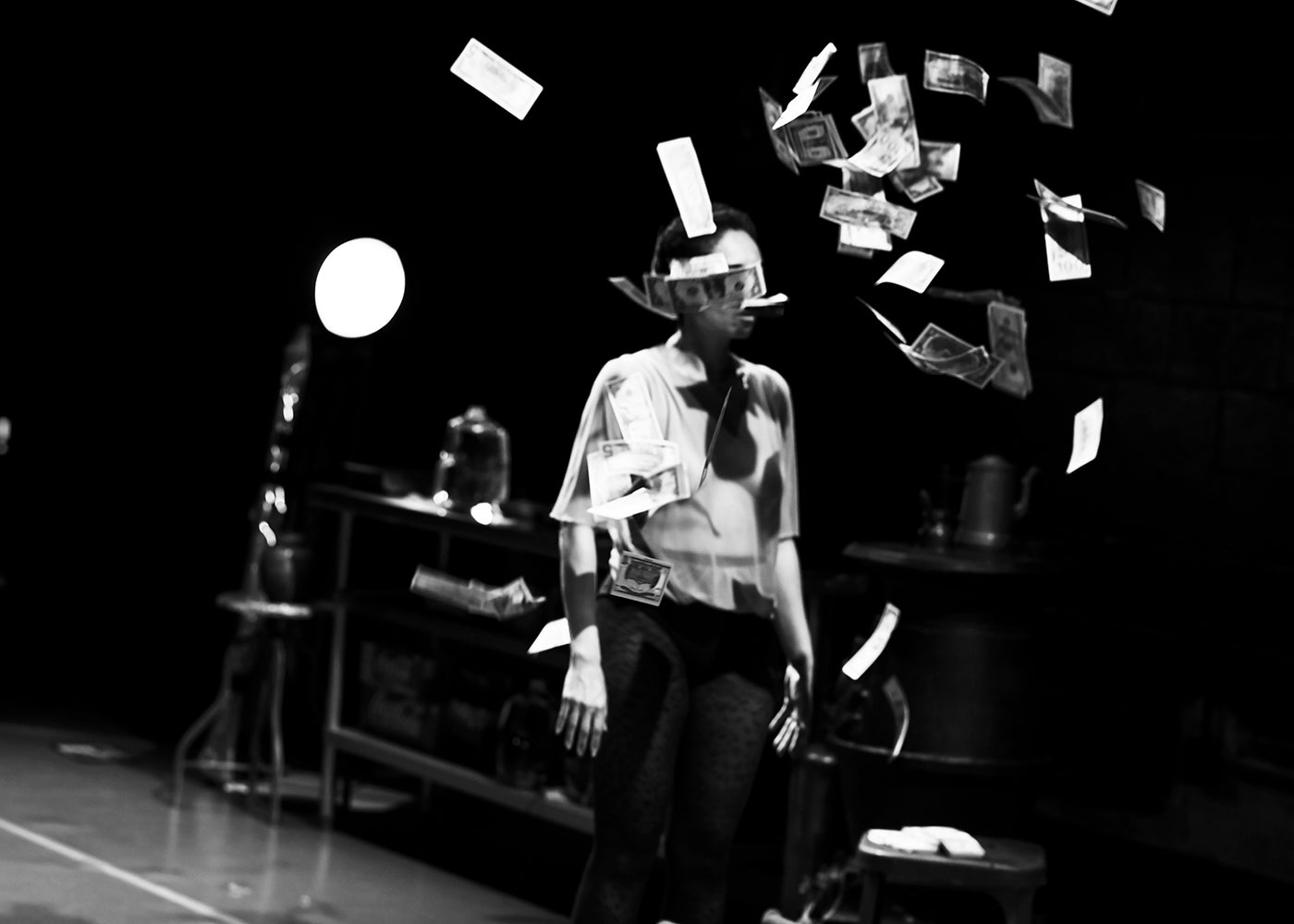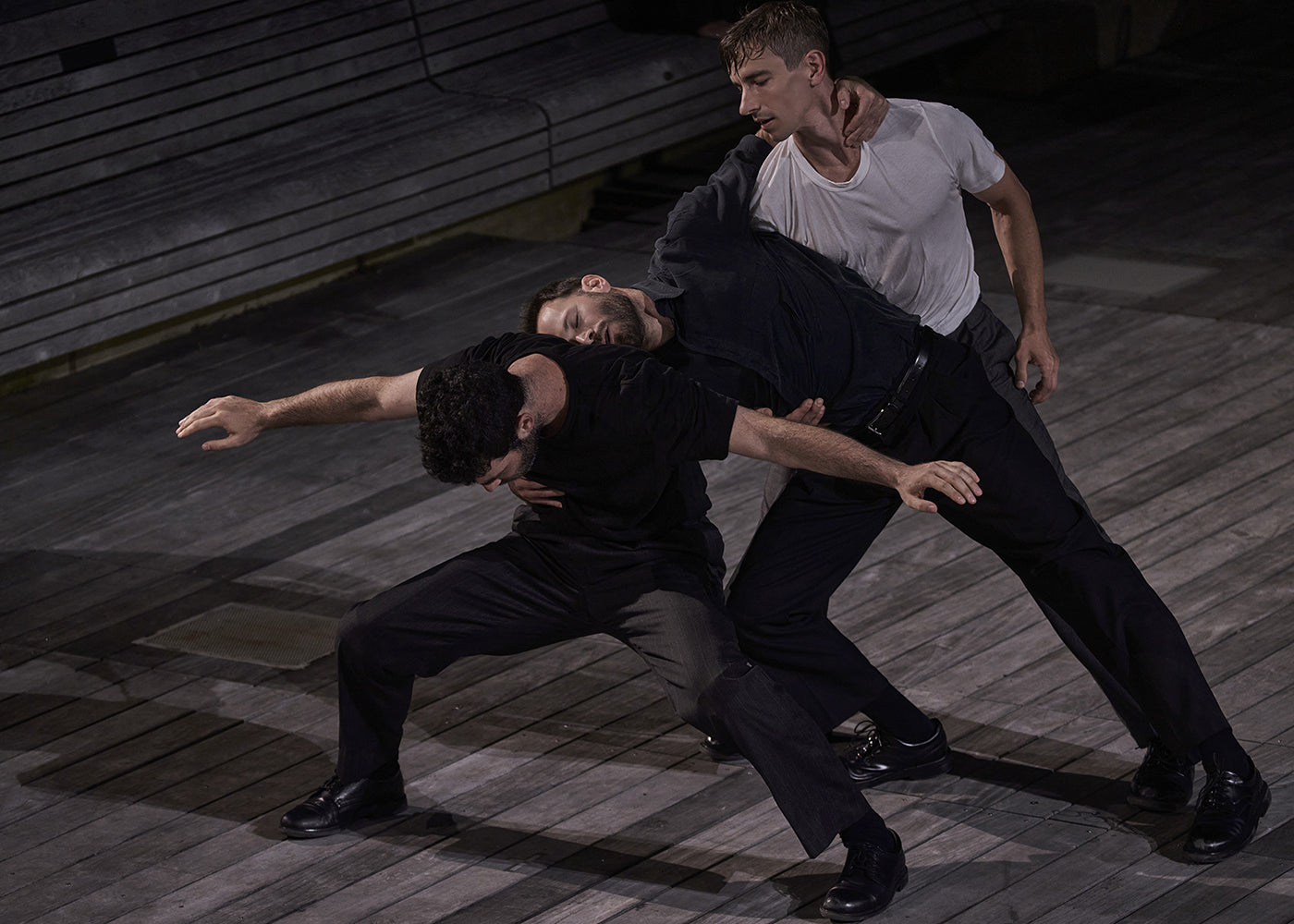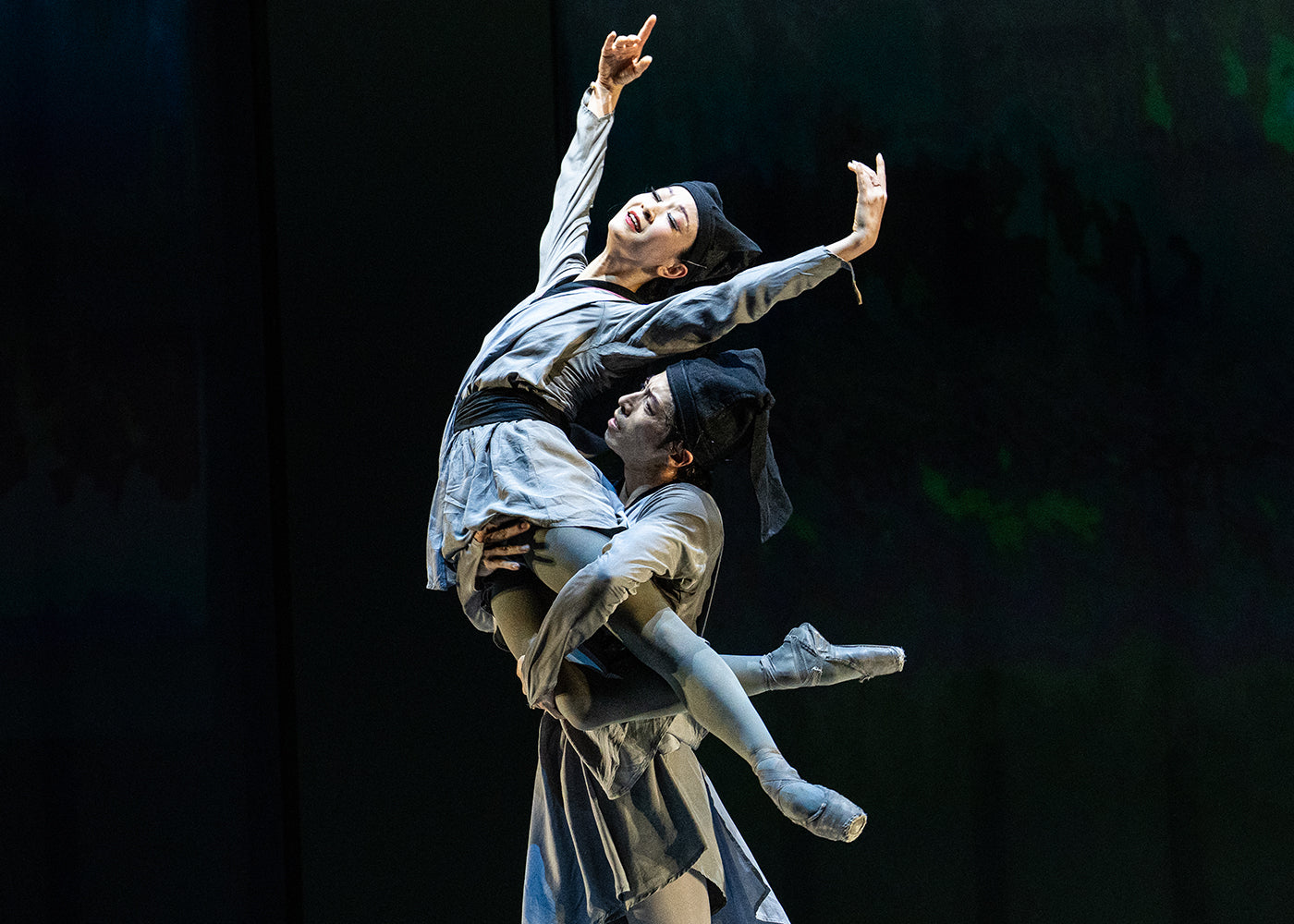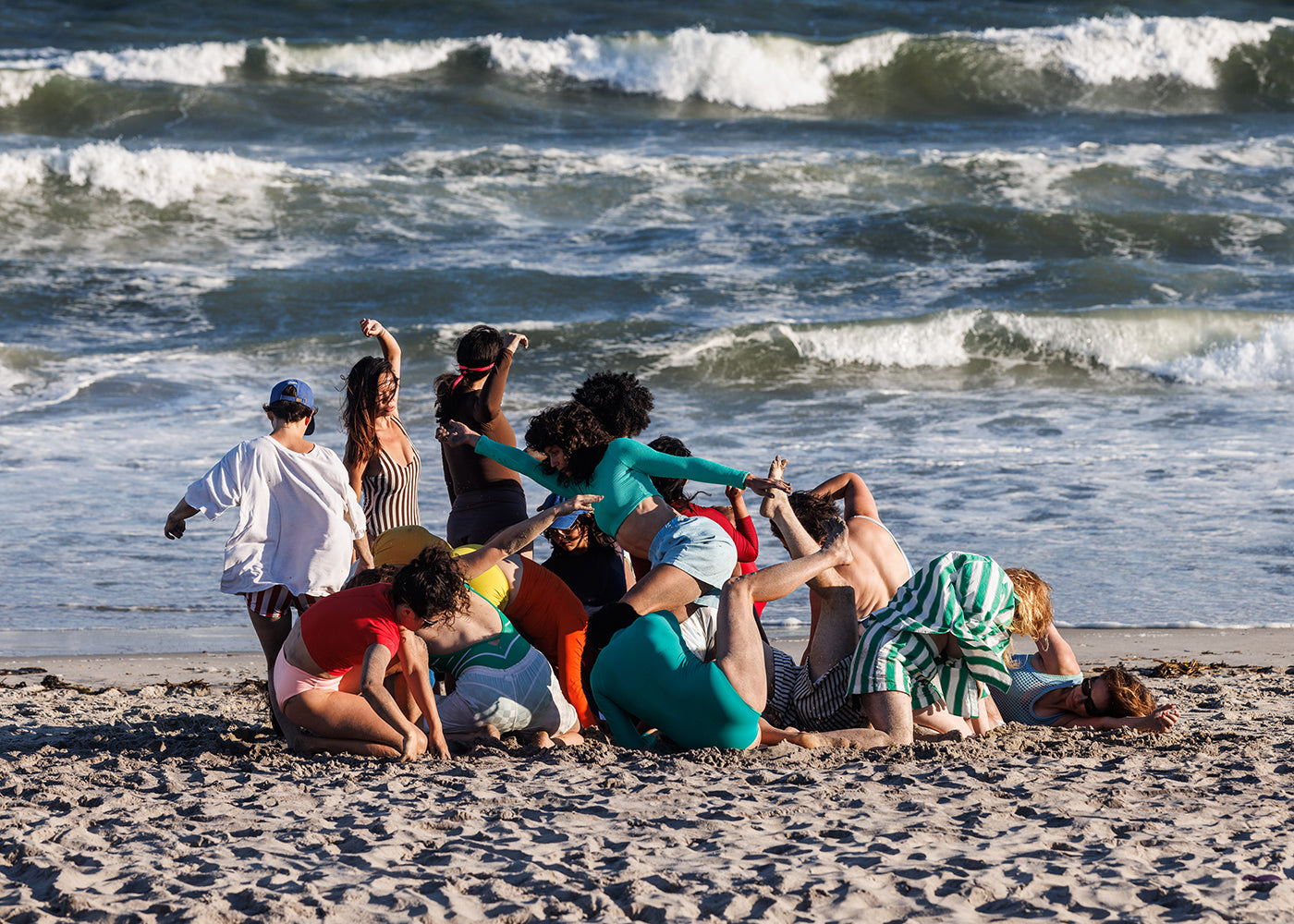

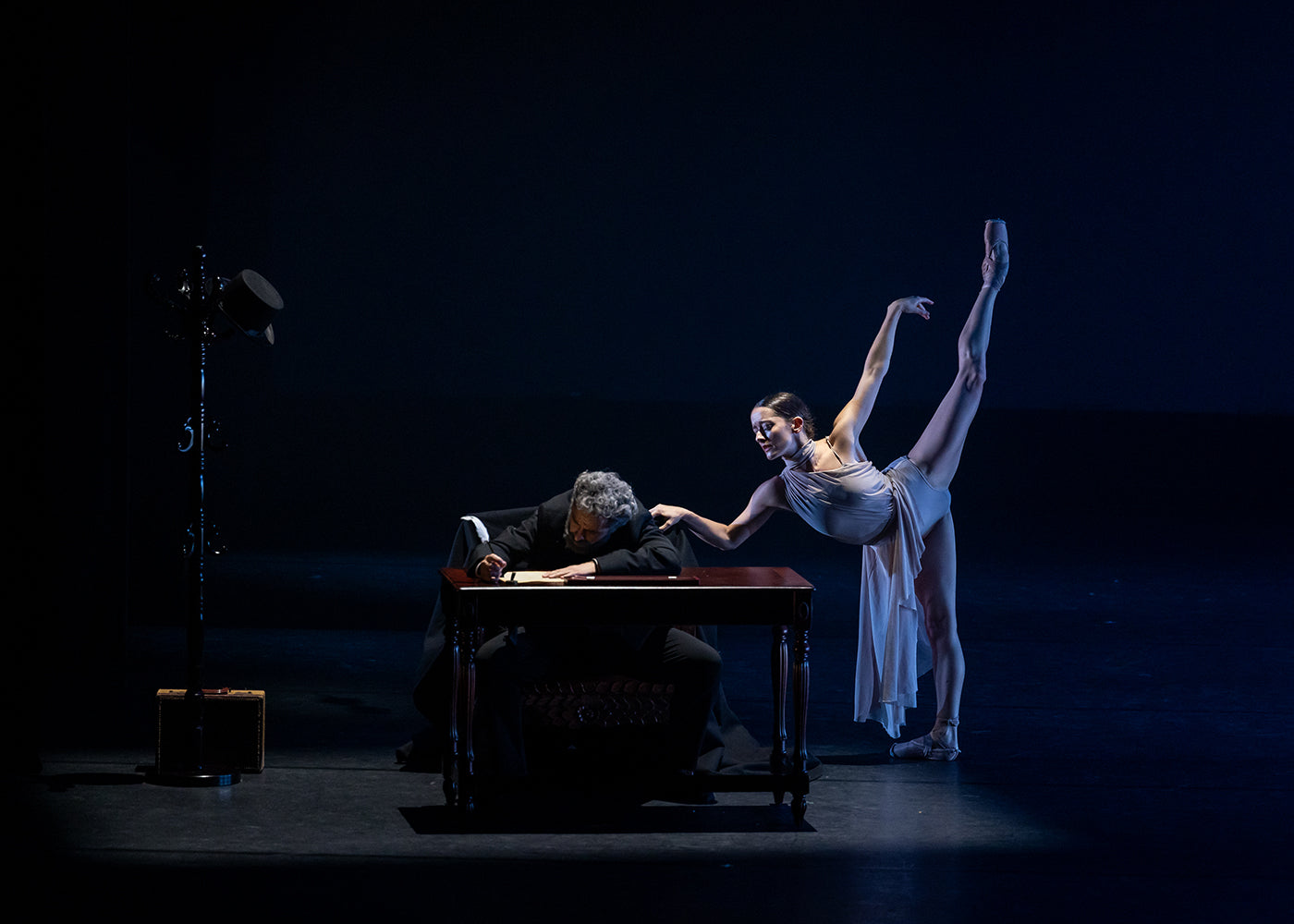
There was a series of warnings that led up to the moment it all fell apart, but no-one listened. Everything appeared to follow a linear trajectory, an illuminated, diagonal path that led straight to the suspended glass orb at the foot of the stage.
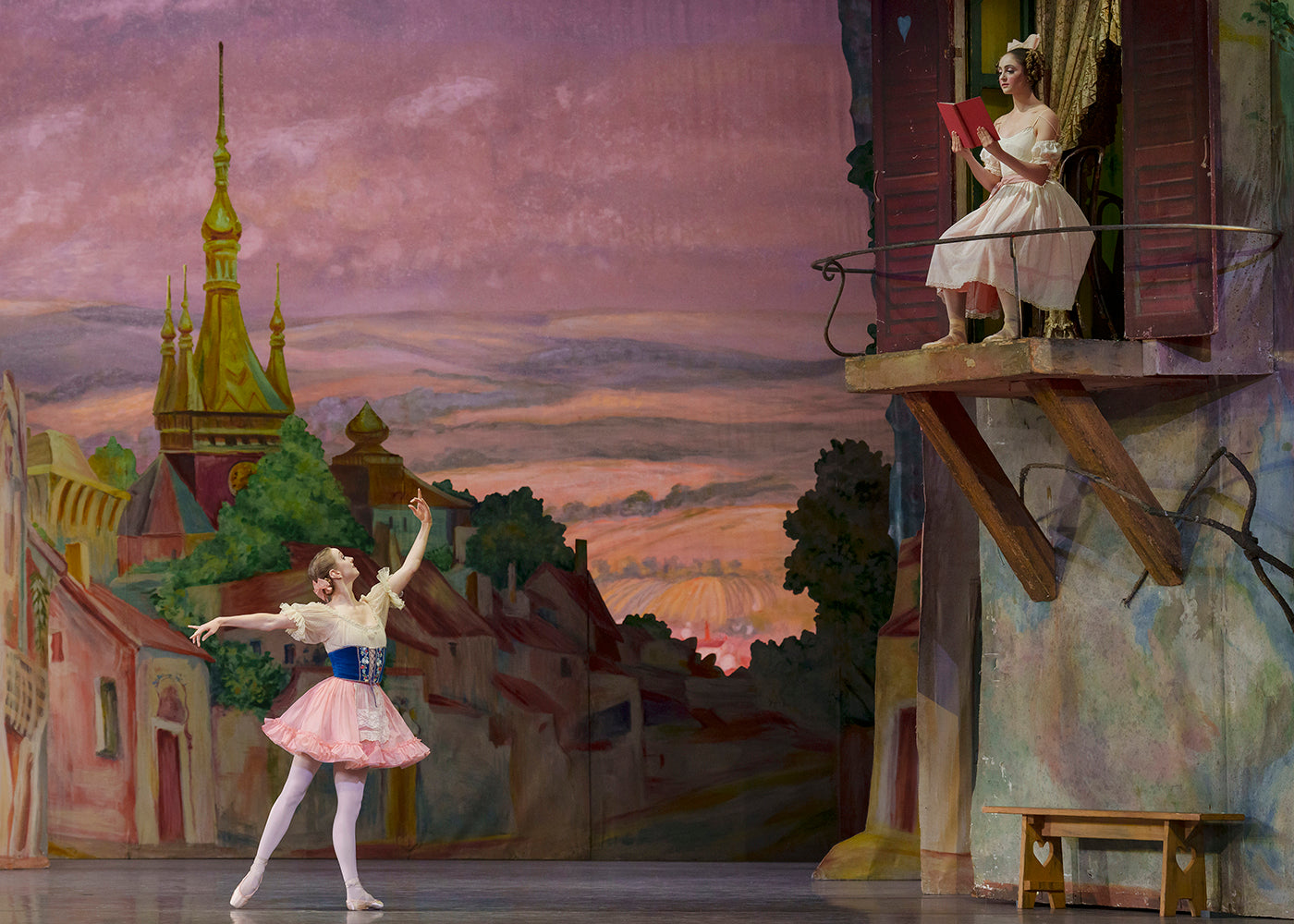
If, as George Balanchine once so famously pronounced, “Ballet is woman,” then director and choreographer Lincoln Jones showed off the gals in his troupe, American Contemporary Ballet (ACB), to great effect in his world premiere, “Sapphires.”
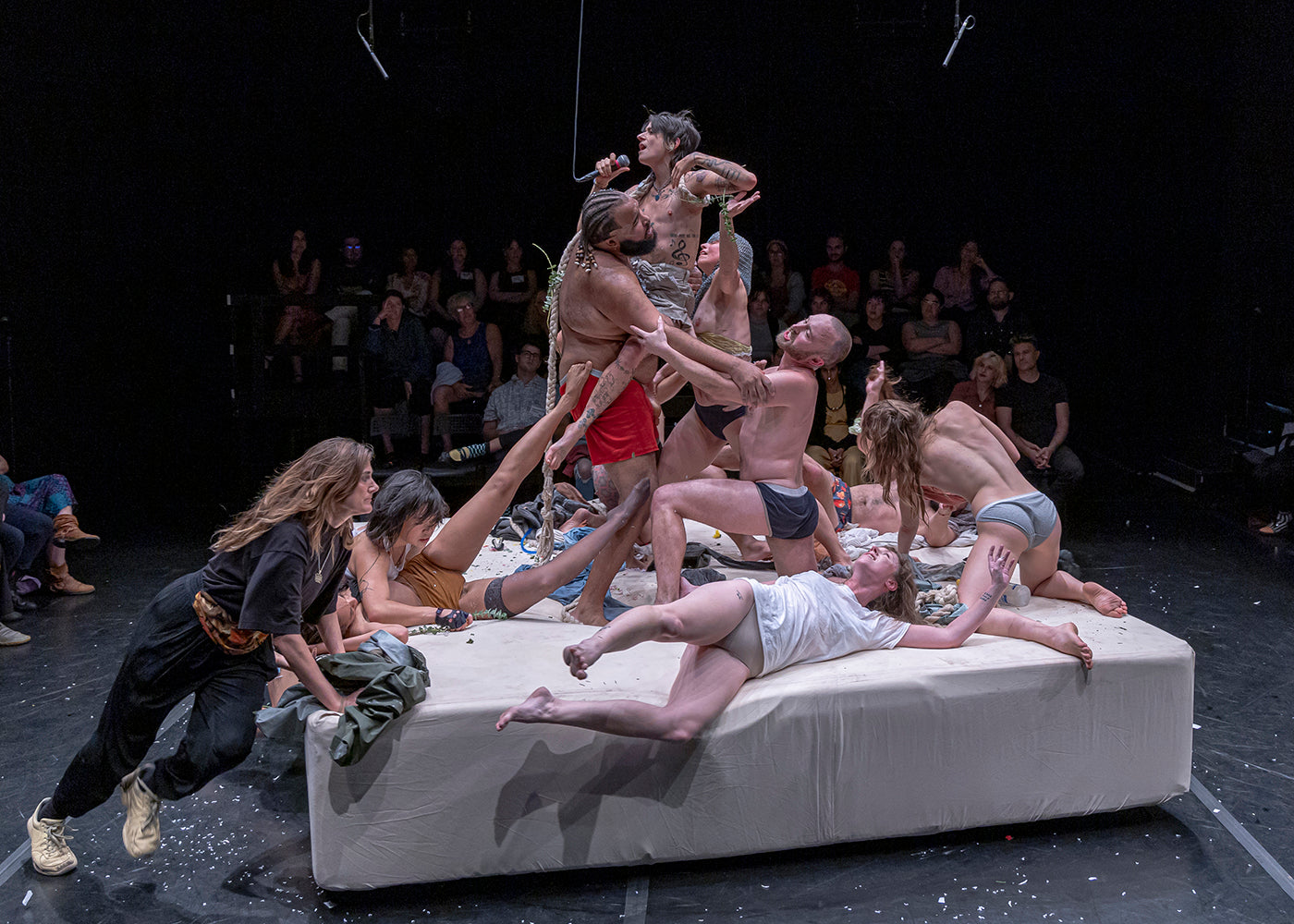
How do we love Highways Performance Space? Let us count the ways! Indeed, a longtime nucleus for experimental theater, dance and art, the intimate black box venue in Santa Monica was the scene of a 35th anniversary celebration over the weekend.
In a willingness to explore the mythologies of the afterlife, I find my way to the last of a handful of seats for Melanie Lane’s “Arkadia” at the Substation.
“Law of Mosaics” is a great title, and one that would befit almost any dance by the deconstructivist choreographer Pam Tanowitz. It just so happens that it belongs to the third ballet she has made for the New York City Ballet, and it stems from its Ted Hearne score.
Choreographers Caili Quan, Phil Chan, Zhong-Jing Fang, and Edwaard Liang are grateful to share the bill for Ballet West’s sixth choreographic festival, but hope that events like these will soon be rendered obsolete.
A new ballet about Elvis Presley by the ubiquitous Annabelle Lopez Ochoa promised to be a perfect fit for San Francisco’s Smuin Contemporary Ballet; after all, company founder Michael Smuin (1938-2007) never met a pop song he couldn’t craft into a crowd-pleasing ballet ditty. The surprising thing about Ochoa’s “Tupelo Tornado,” though, is that it isn’t any fun.
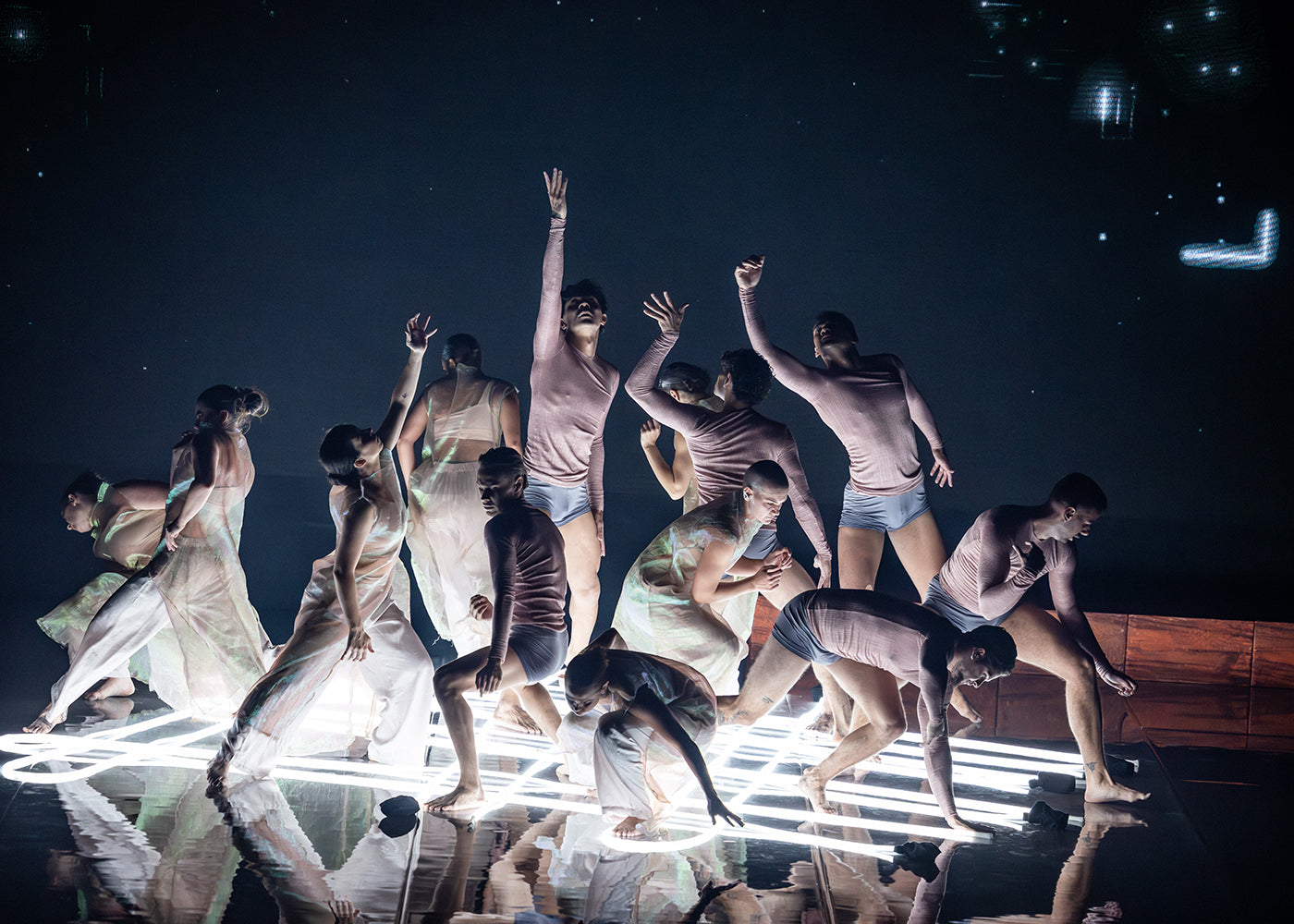
For the first time in a year, the Sydney Dance Company is back home in Sydney. After a long hiatus touring the world—a post Covid catch-up tour if you will—the company has arrived in Walsh Bay to present their newest work, the world premiere of “momenta.”
The stage is strewn with potatoes. Single straight back chair, overturned. A canteen. At center is a life scale charcoal sketch, unframed on canvas. It looks like a human figure topped by a dark smudge of a head—the shape calls to mind a famous work of Gustav Klimt.
How long is their nap?” my three-year-old asked about halfway through the Trisha Brown Dance Company’s performance of “Group Primary Accumulation,” a 20-minute supine dance for four.
Two performers crawl in on hands and knees wearing neon green, hooded coveralls—the lightweight papery kind made for working in a sterile environment—and clusters of balloons pinned to their backs.
Will Rawls makes boundaries visible by defying them. Known for the disciplinary and topical range of his projects, the choreographer, director, and performer approaches issues of representation in “[siccer],” a multi-part, multi-site work co-presented by L’Alliance New York’s Crossing the Line Festival. A live performance at Performance Space New York...
It is always interesting when multiple theme steps emerge over the course of a mixed repertory evening, but it is uncanny on one featuring five different ballets, each with a different choreographer and composer, covering a twenty-year span (2005-2025).
Zvidance premiered its new work “Dandelion” mid-November at New York Live Arts. Founded by Zvi Gotheiner in 1989, Zvidance has been a steady presence in the New York contemporary dance scene, a reliable source of compositional integrity, and a magnet for wonderful dancers.
Cleveland native Dianne McIntrye received a hometown hero's welcome during her curtain speech prior to her eponymous dance group thrilling the audience in her latest work, “In the Same Tongue.”