
Limón, Past and Present
I can’t take my eyes off the men. Stephen Haley, Joey Columbus, and Ian Debono each have solos in “Mazurkas” that emphasize the Limón posture full of elegance and pride.
Continue Reading

World-class review of ballet and dance.
In a context such as the Venice Biennale, where you can easily run into ballet stars across the Arsenale and dance alongside them in workshops, it felt especially apt to pay tribute to a filmmaker who, with extraordinary care, intelligence and unsentimental clarity, brought us so close to the hidden mechanics of dance: Frederick Wiseman.
Performance
Place
Words


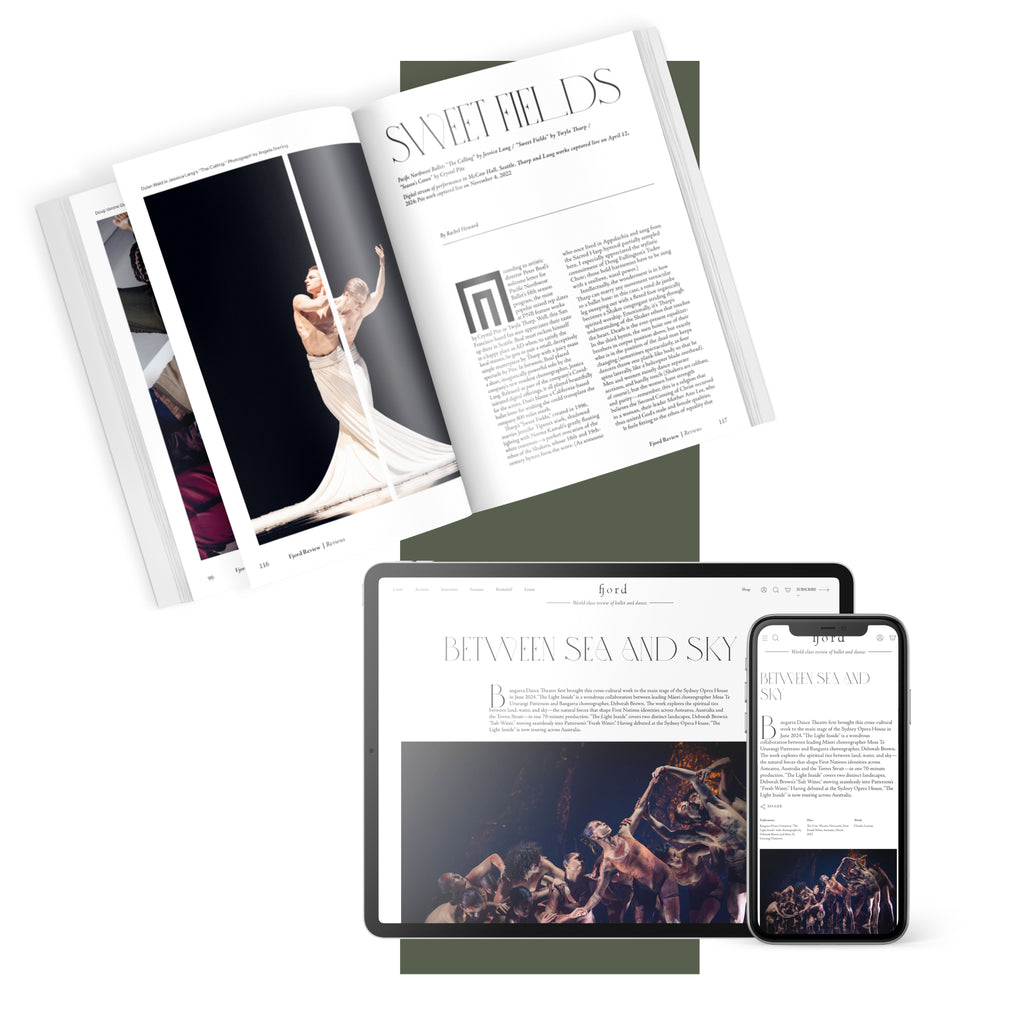
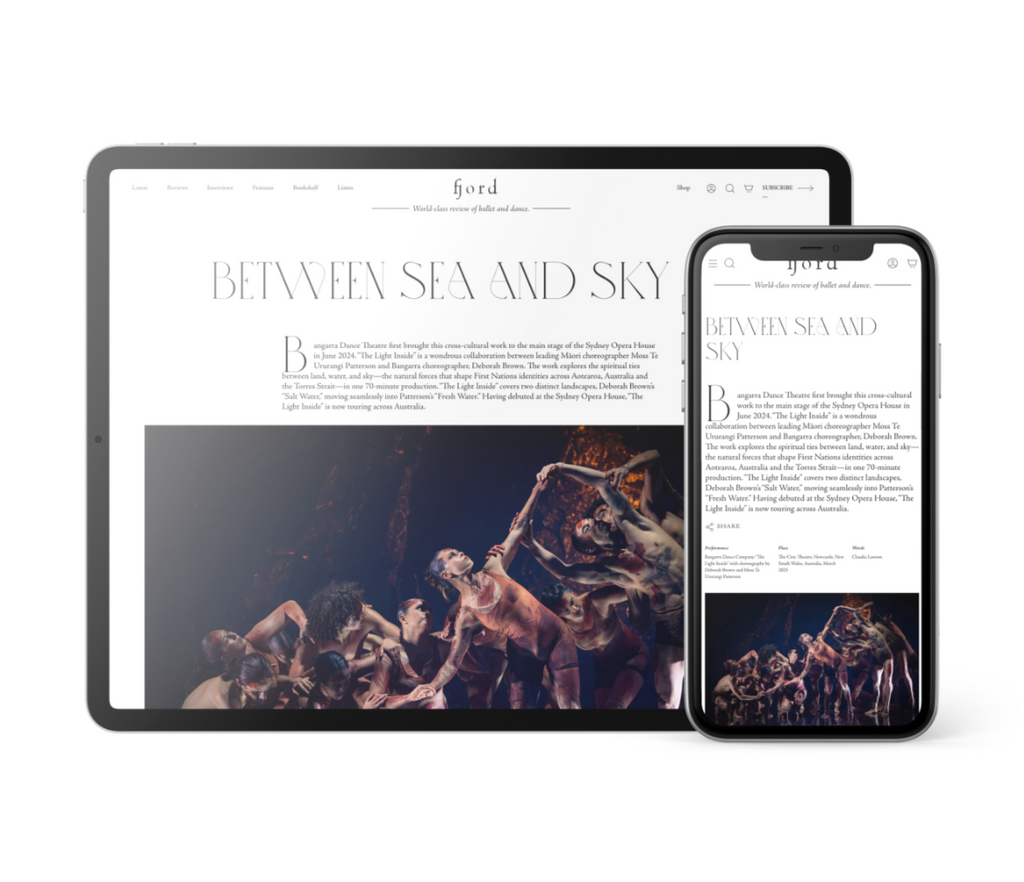
“Uncommonly intelligent, substantial coverage.”
Your weekly source for world-class dance reviews, interviews, articles, and more.
Already a paid subscriber? Login
I can’t take my eyes off the men. Stephen Haley, Joey Columbus, and Ian Debono each have solos in “Mazurkas” that emphasize the Limón posture full of elegance and pride.
Continue Reading
While the dancers traveled up from Florida, the Sarasota Ballet presented a taste of British sensibilities in its week-long engagement at the Joyce Theater.
Continue Reading
“This resting, patience” has been danced in cities ranging from Helsinki to Porto to Venice, and in all of them the crooning vocals of its most-repeated music, Burt Bacharach’s “What the World Needs Now Is Love,” must have been instantly familiar.
Continue Reading
In the Chunky Move Studios, for Caroline Meaden’s “Immacolata,” presented as part of Melbourne Fringe Festival, two banks of seats, on the diagonal, hold a room.
Continue Reading
comments