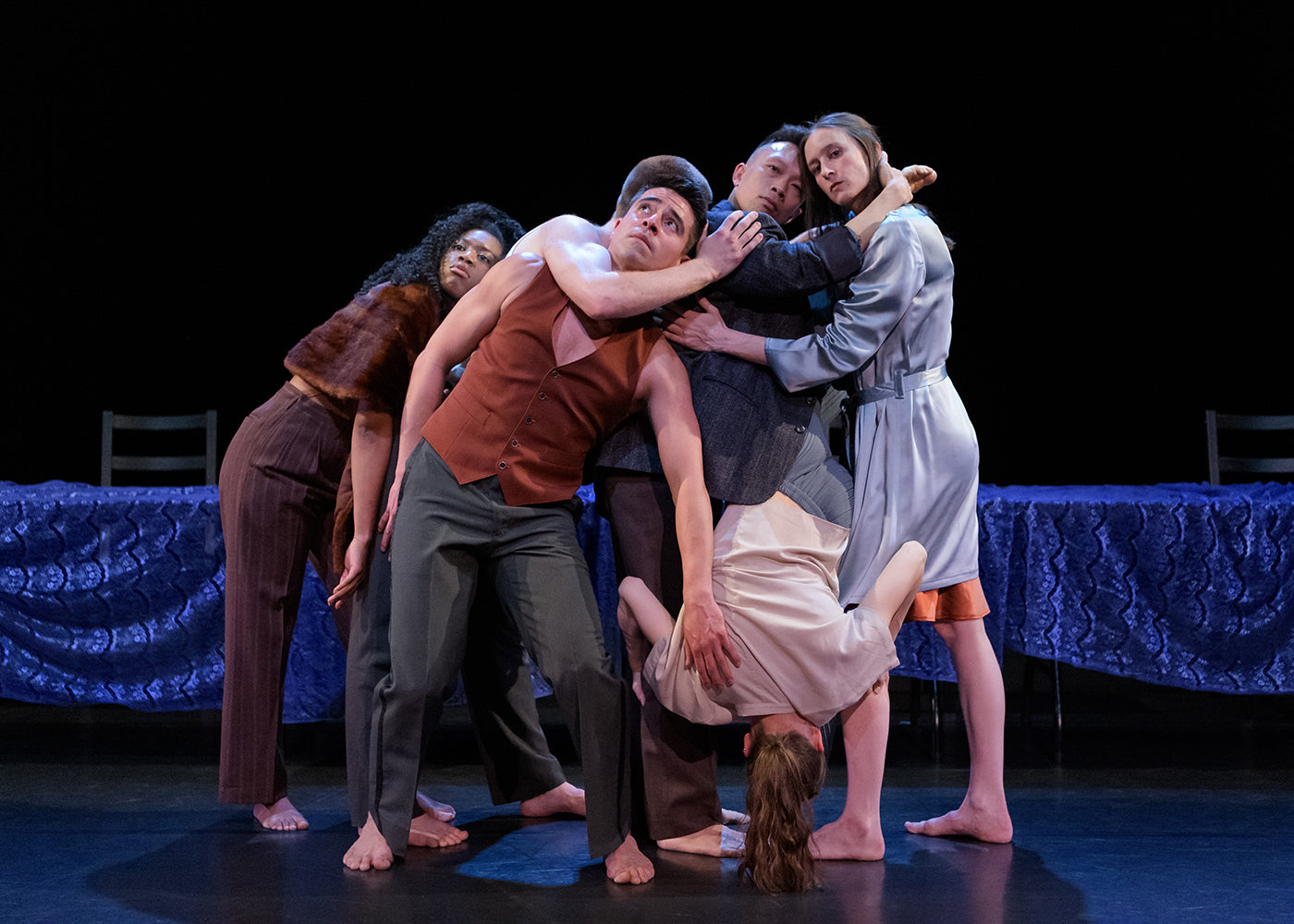
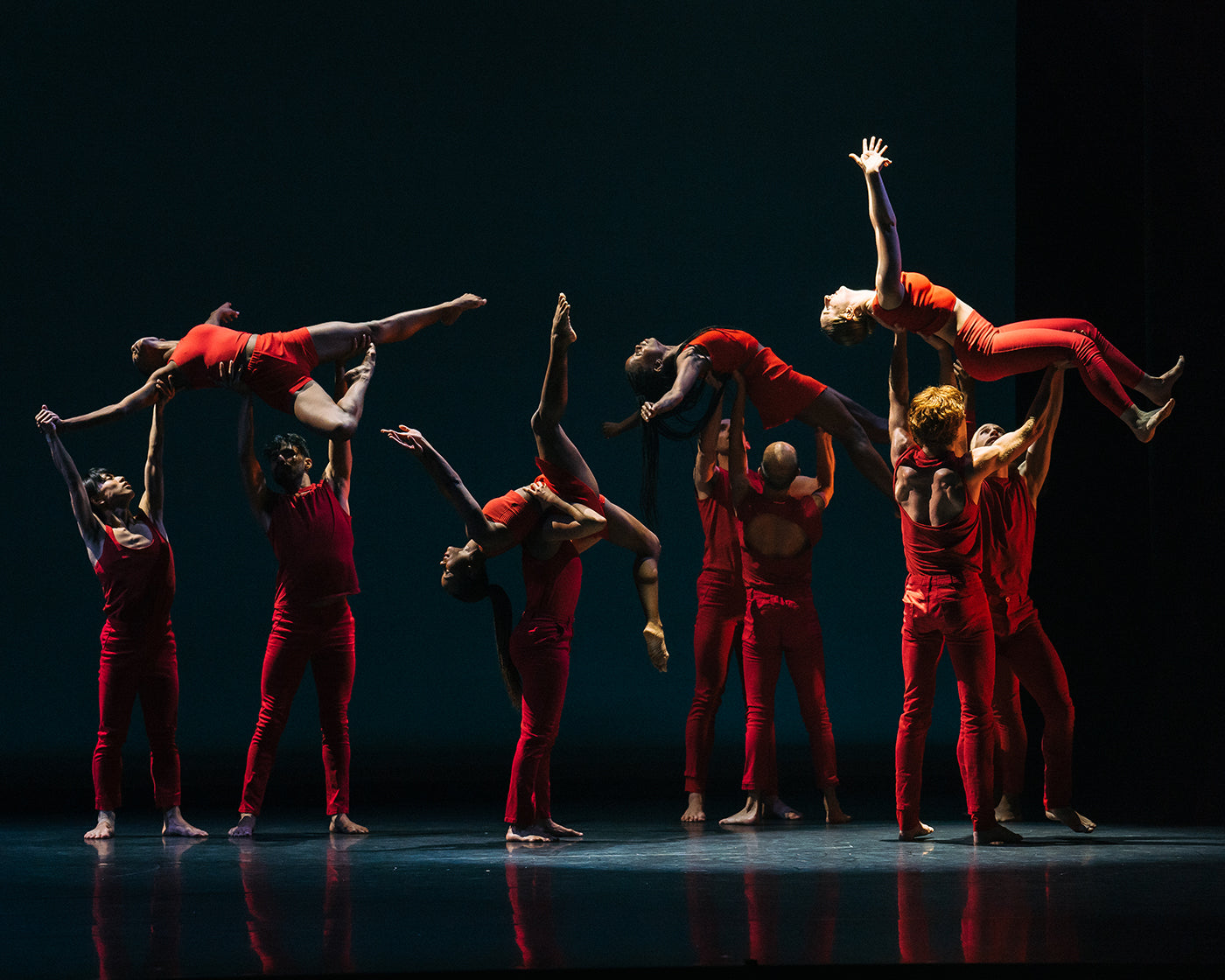
Jukebox musicals tend to come in two packages. The first centers a celebrity musician or musical group and uses the subject's body of work to tell a biographical narrative (“Carole King,” “The Temptations,” “The Four Seasons”).
I may never know what it is like to be an octopus, but I can begin to imagine what it might be like if I was an octopus.[1] Equally, I may never know what it is like to be a dancer, and someone who communicates with their body, but, thanks to a special in-house showing of Prue Lang’s work-in-progress, “Poesis,” as part of her Australian Ballet’s residency program,[2] I can imagine what it might be like if I were. And so it was, that I found myself once more, in the late afternoon, in the van Praagh studio, of the Primrose...
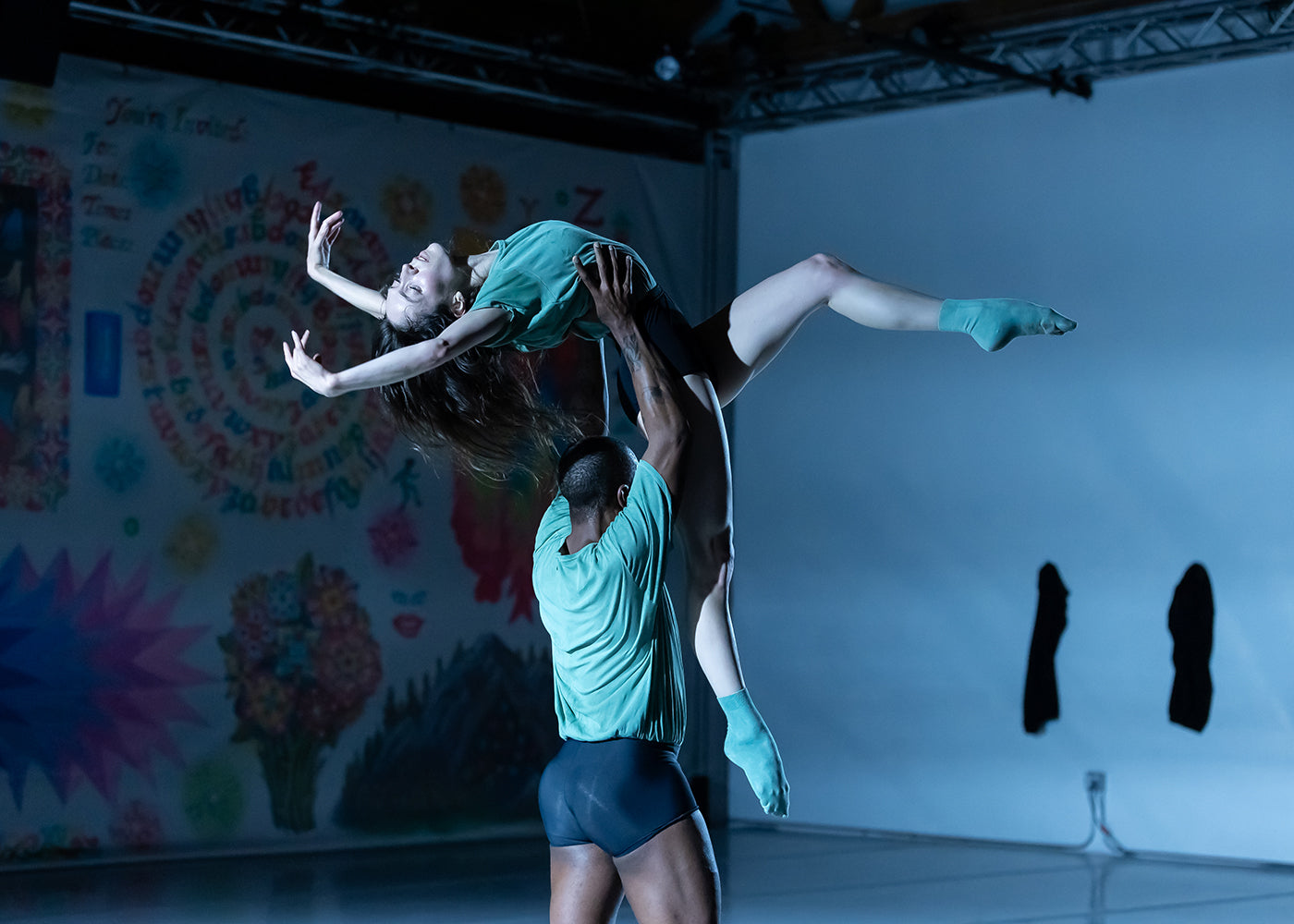
It was a tri-polar night—but in a good way—last weekend, with a trio of high-energy, beautifully crafted works performed by the spectacular members of L.A. Dance Project.
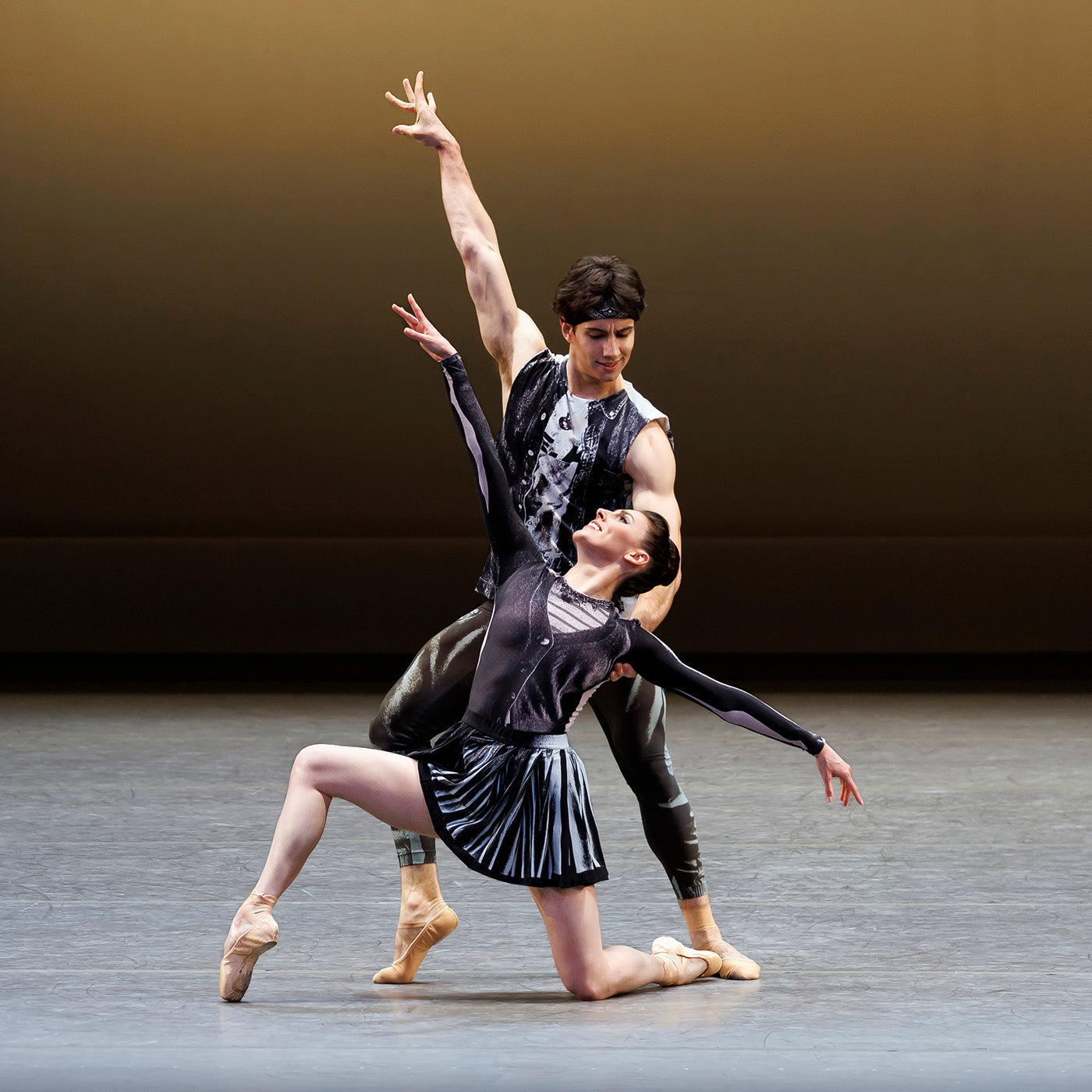
On a mild spring night, the New York City Ballet held a similarly temperate Gala performance. The flower arrangements were lovely, the speeches were okay, the two premieres weren’t bad, and the Balanchine excerpt was sturdy. In almost every way, it was an enjoyable—if not overly momentous—night at the ballet.
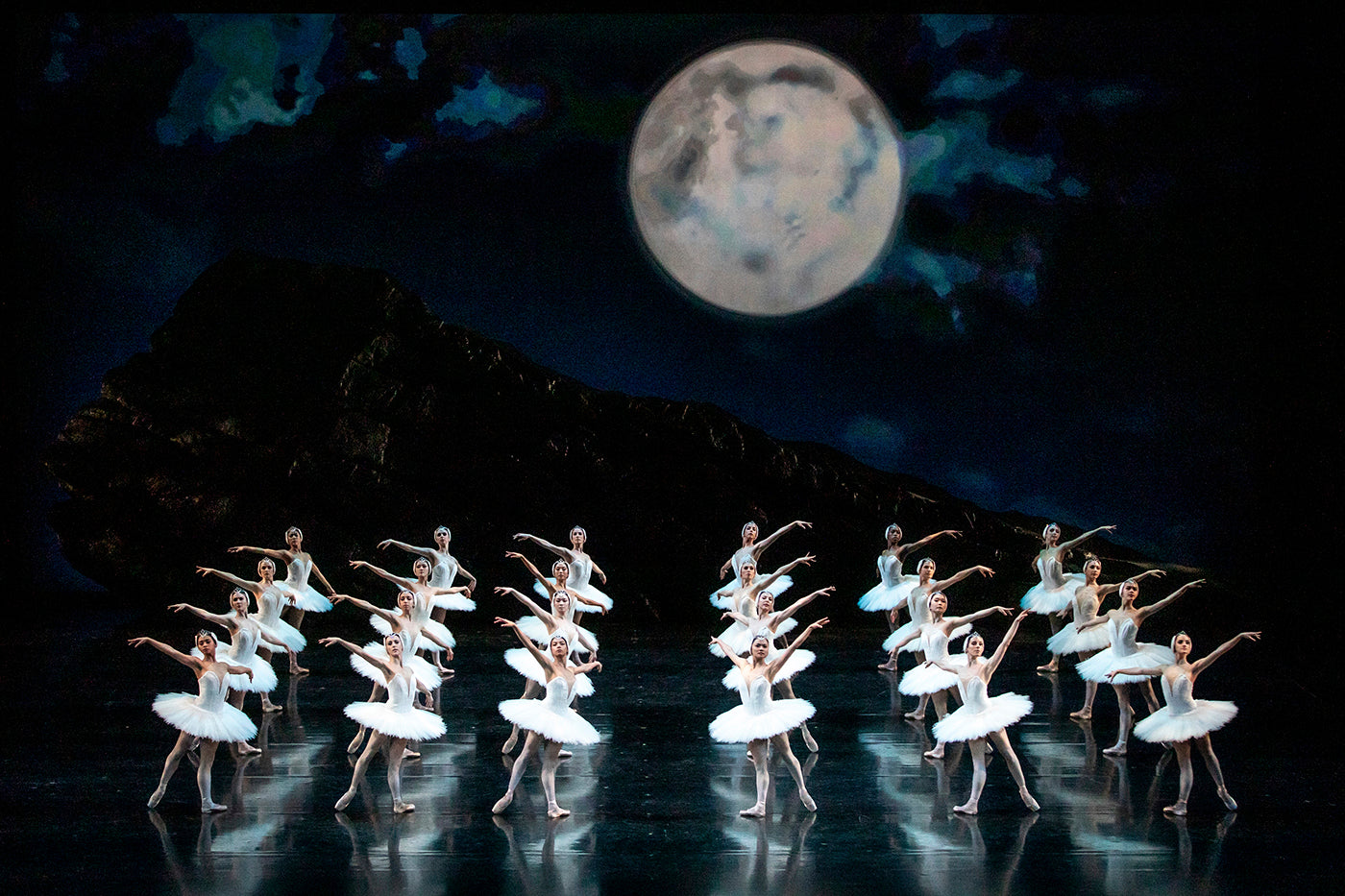
San Francisco Ballet artistic director Tamara Rojo may have taken on more drama than she bargained for programming a star-studded “Swan Lake” encore for the finale of her first season here.
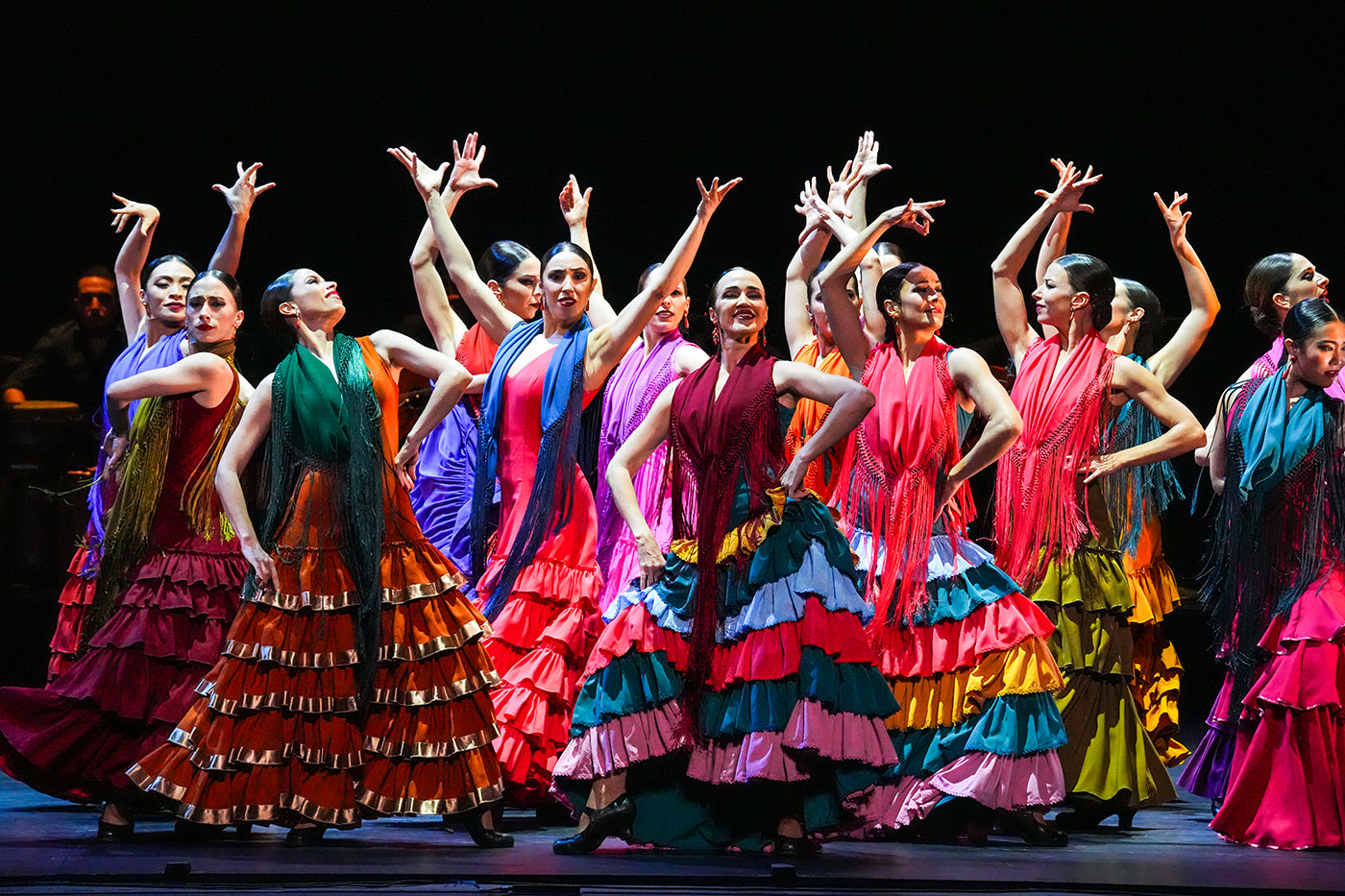
There are few dance companies as versatile as Ballet Hispánico. The company, which is the largest Latine/x/Hispanic cultural organization in the United States, prides itself on its far-reaching celebration of the Latinx diaspora with a school that offers training in flamenco, salsa, and Afro-Caribbean, in addition to ballet, jazz, and more.
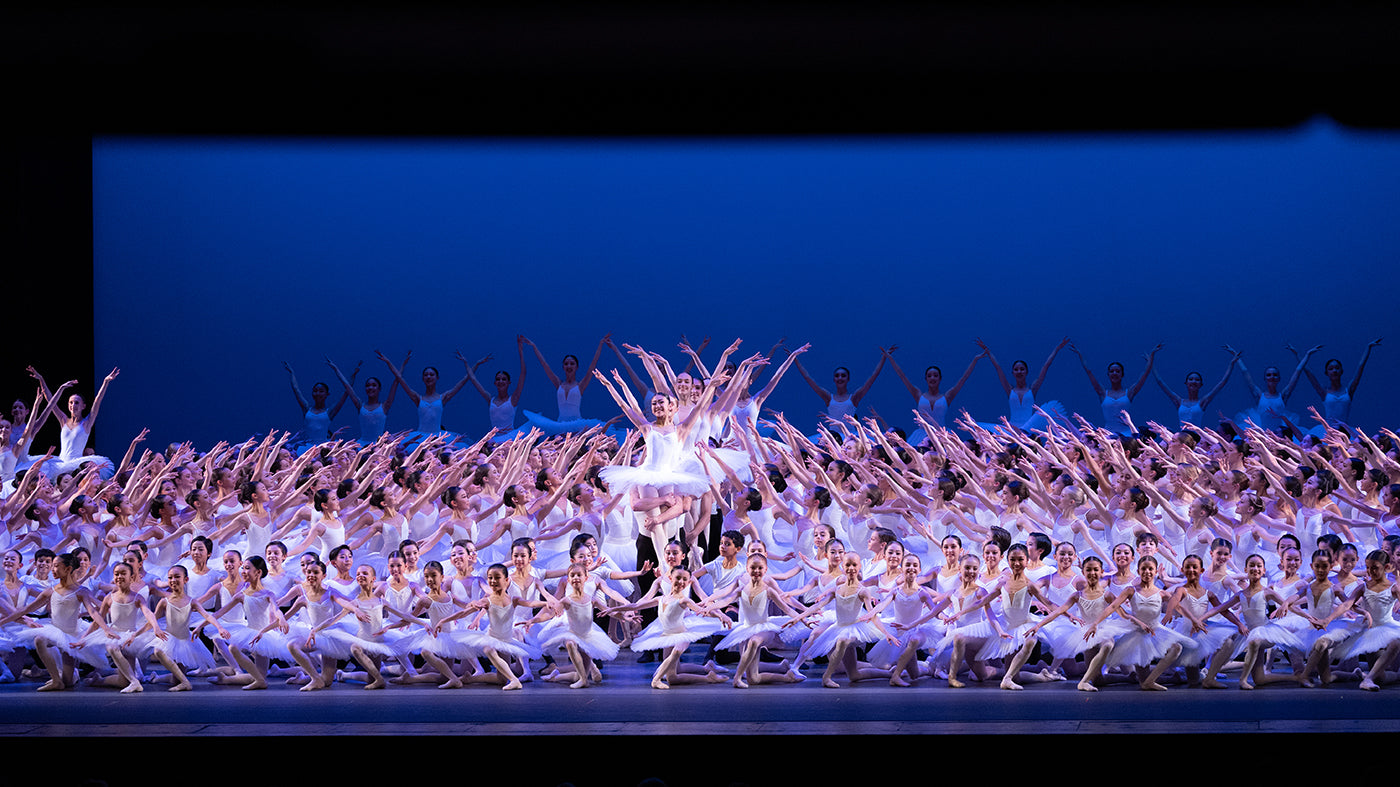
It was a lovefest at the David H. Koch Theater last Thursday for the Youth America Grand Prix's 25th Anniversary Gala performance. As galas go, the night was awash in pageantry.
According to artistic director Peter Boal’s welcome letter for Pacific Northwest Ballet’s fifth season program, the most popular mixed rep slates at PNB feature works by Crystal Pite or Twyla Tharp.
Lassoing is a surprising through-line for a Martha Graham Dance Company performance. The theme steps generally tend towards the child-birthing variety: contractions and deep squats.
Hubbard Street Dance Chicago was in New York for a two-week run March 12–24 at the Joyce Theater, a venue that consistently programs excellent smaller dance companies in its 472-seat theater.
Long before the dancers take the stage, Dance Theatre of Harlem’s season at New York City Center feels like one of the most energizing cultural events of the spring.
It is rare for George Balanchine’s grand, bedazzled “Symphony in C” to open a program. Its champagne-popping finale for 52 dancers tends to be a nightcap.
The Spring is Blooming festival, by Dance Reflections by Van Cleef & Arpels, now in its fifth year, has become a highlight of the spring dance circuit.
As the audience come to their feet at the end of this ballet there is a noted difference to be seen on stage. Three women stand with joined hands, taking their call as the romantic leads of a loud and proud lesbian ballet.
One of San Francisco Ballet’s greatest assets is its home venue, the Beaux-Arts style War Memorial Opera House, with four rings of seating that require performers to project their energies practically to the exosphere.