
Shakespearean Twist
It’s a drag to report that I had the urge to walk out of my first performance back in NYC after a long summer break.
Continue Reading

World-class review of ballet and dance.
Aterballetto, the main contemporary company in Italy (now a national choreographic centre), made a hit two years commissioning a new creation by Marcos Morau: “Notte Morricone” (Morricone Night). The Spanish director and choreographer has become one of the most in demand dance makers on the European scene and a permanent guest on the roster of avant-garde dance festivals in Italy, la Biennale in Venice for instance, as well as an associate artist at Triennale Theatre in Milan. Rumours say that his recent “Étude,” created for the Paris Opera Ballet, will be programmed on the next season of La Scala Ballet!
Performance
Place
Words


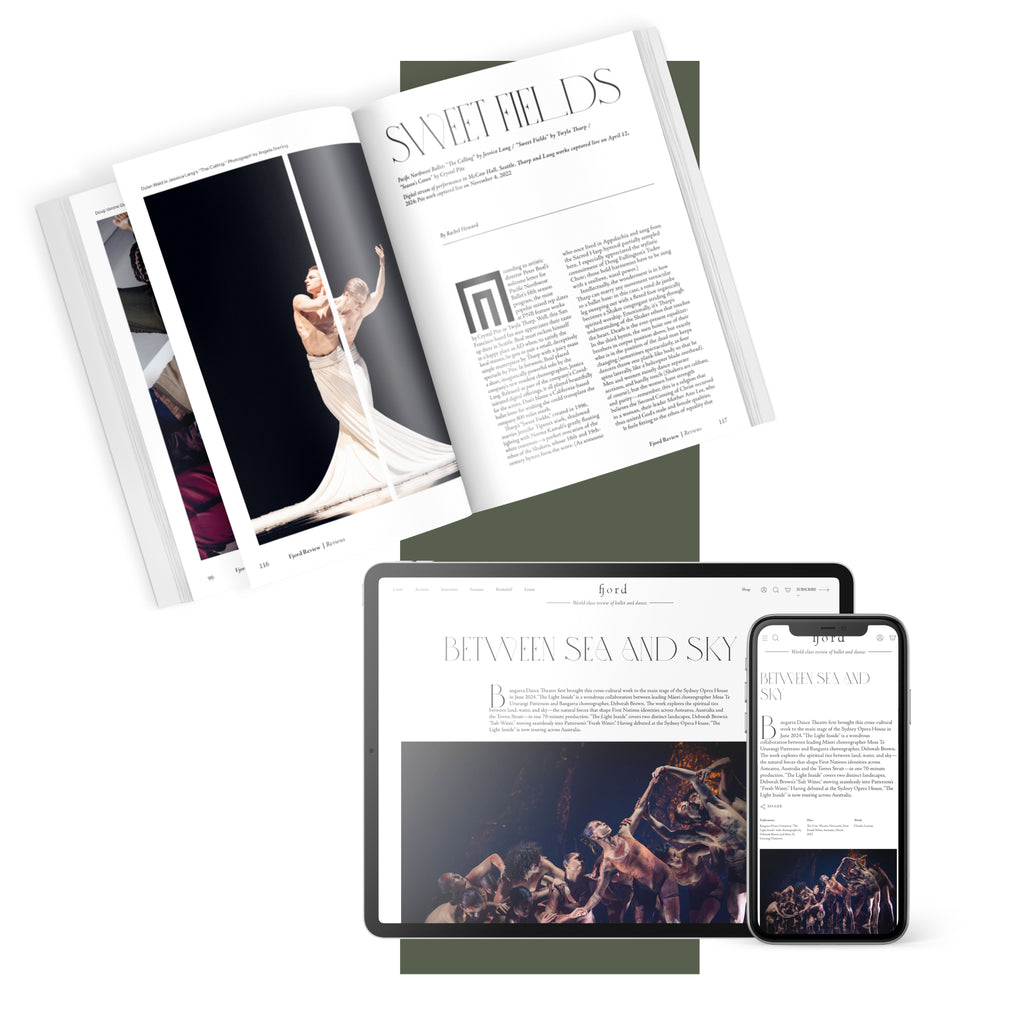
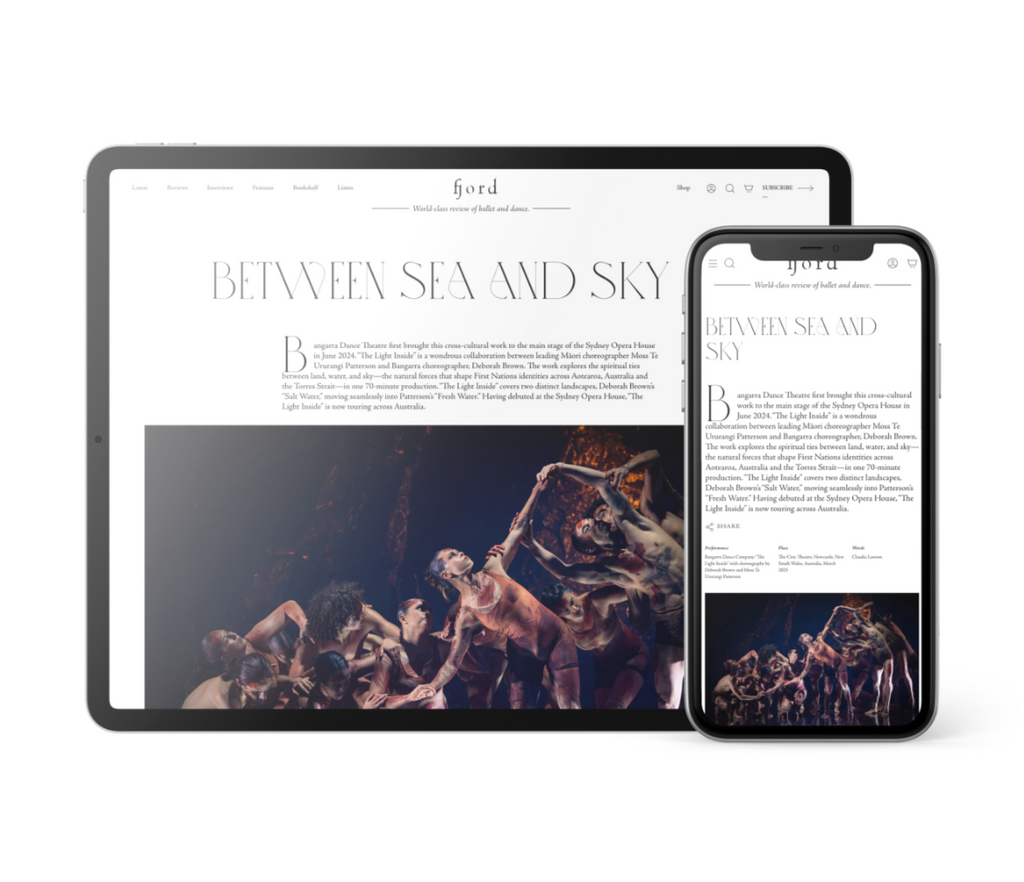
“Uncommonly intelligent, substantial coverage.”
Your weekly source for world-class dance reviews, interviews, articles, and more.
Already a paid subscriber? Login
It’s a drag to report that I had the urge to walk out of my first performance back in NYC after a long summer break.
Continue Reading
Things seem to be clicking in place for Mamela Nyamza. Her latest work “The Herd/Less” is touring the world while her recognition as a choreographer with a distinction for the subversive and political has earned her a Silver Lion for dance at the Venice Biennale.
Continue Reading
After taking a field trip in the second grade to see the Alvin Ailey American Dance Theater, Ronald K. Brown was inspired to take his first dance class at Bedford Stuyvesant Restoration Corporation, a Brooklyn-based community center.
Continue Reading
As much as it is a cliché to reference, there is something special in finding a work that so aptly fits that famous quote from George Balanchine: “See the music. Hear the dance.”
Continue Reading
comments