
A New Opus
As the first evening that Gonzalo Garcia has programmed as Miami City Ballet artistic director, “American Rhythms” provides a glimpse into the future of one of America’s most prominent “Balanchine” companies.
FREE ARTICLE

World-class review of ballet and dance.
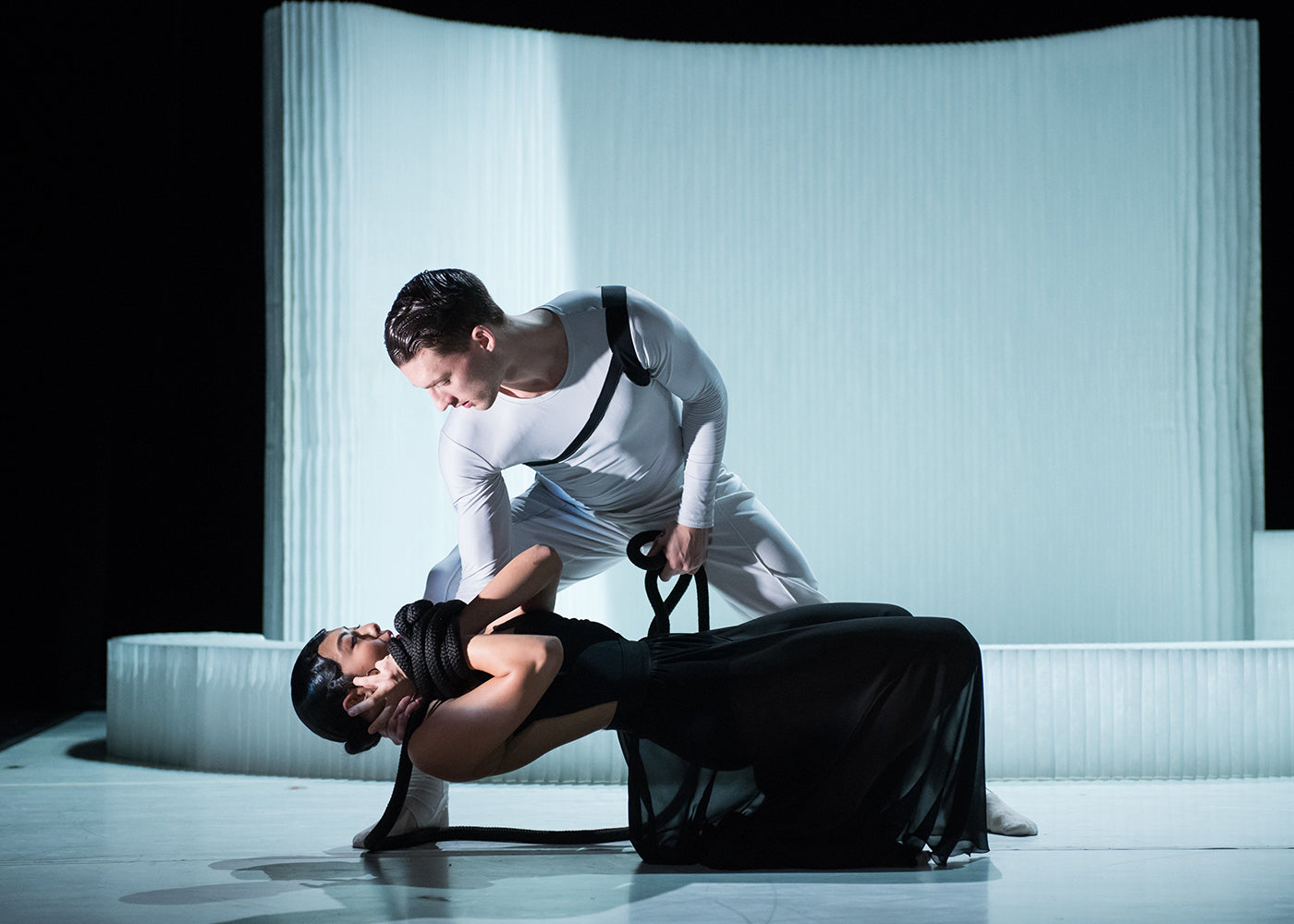
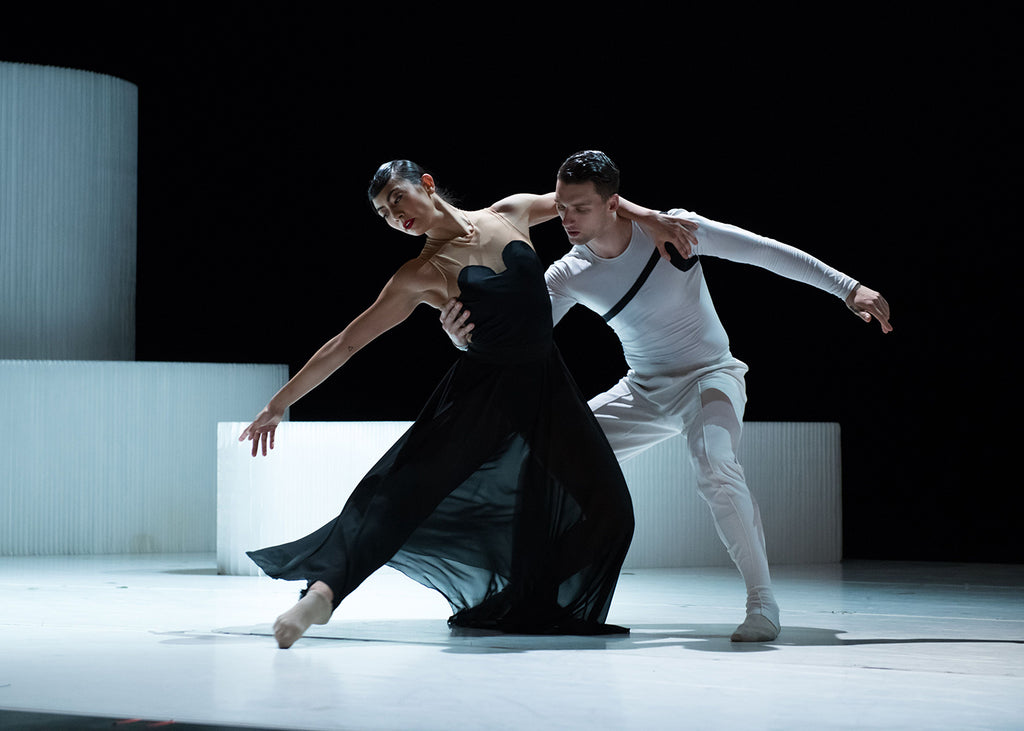
For Ballet Hispánico’s upcoming season at New York City Center from May 29-June 1, the company will present Gustavo Ramírez Sansano's “Carmen.maquia,” a contemporary take on the timeless story at the heart of George Bizet’s unforgettable opera “Carmen.” The tragic tale of Carmen, a fiery gypsy woman, who captivates both Don José, a soldier, and the bullfighter Escamillo with her independent spirit and allure, revolves around universal themes—love, passion, and jealousy—culminating in violence. Wanting to know about the special blend of ingredients that went into this boldly reimagined Carmen, I sat down with Artistic Director and CEO Eduardo Vilaro for a discussion about the work. The conversation yielded insight into what makes this production so uniquely vibrant and why it is a relevant work for today and for Ballet Hispánico’s core mission to reimagine how Latine culture is celebrated on the global stage.

“Uncommonly intelligent, substantial coverage.”
Your weekly source for world-class dance reviews, interviews, articles, and more.
Already a paid subscriber? Login
As the first evening that Gonzalo Garcia has programmed as Miami City Ballet artistic director, “American Rhythms” provides a glimpse into the future of one of America’s most prominent “Balanchine” companies.
FREE ARTICLE
The curtain rises on a fairy-tale and the theatre around me all but disappears. There is the sensation that I am turning the pages of Charles Perrault’s 1697 telling of Sleeping Beauty.
Continue Reading
It’s important for young dance artists to have the space, time, and resources to create. With its mission of giving autonomy to dancers, Pangea Dance Collective, founded in 2022, is working to offer just that.
Continue Reading
Early in its 2026–27 season, the Paris Opera Ballet presents “Paysages intérieurs (Inner Landscapes),” and once again we are faced with the much-debated question of just how many contemporary mixed bills the company should programme.
Continue Reading
comments