
Dancing Your Way Home
As a Nor’easter wreaked havoc along the Mid-Atlantic seaboard, the wet winds calmed down enough by late afternoon to venture out to Alonzo King Lines Ballet that evening.
Continue Reading

World-class review of ballet and dance.
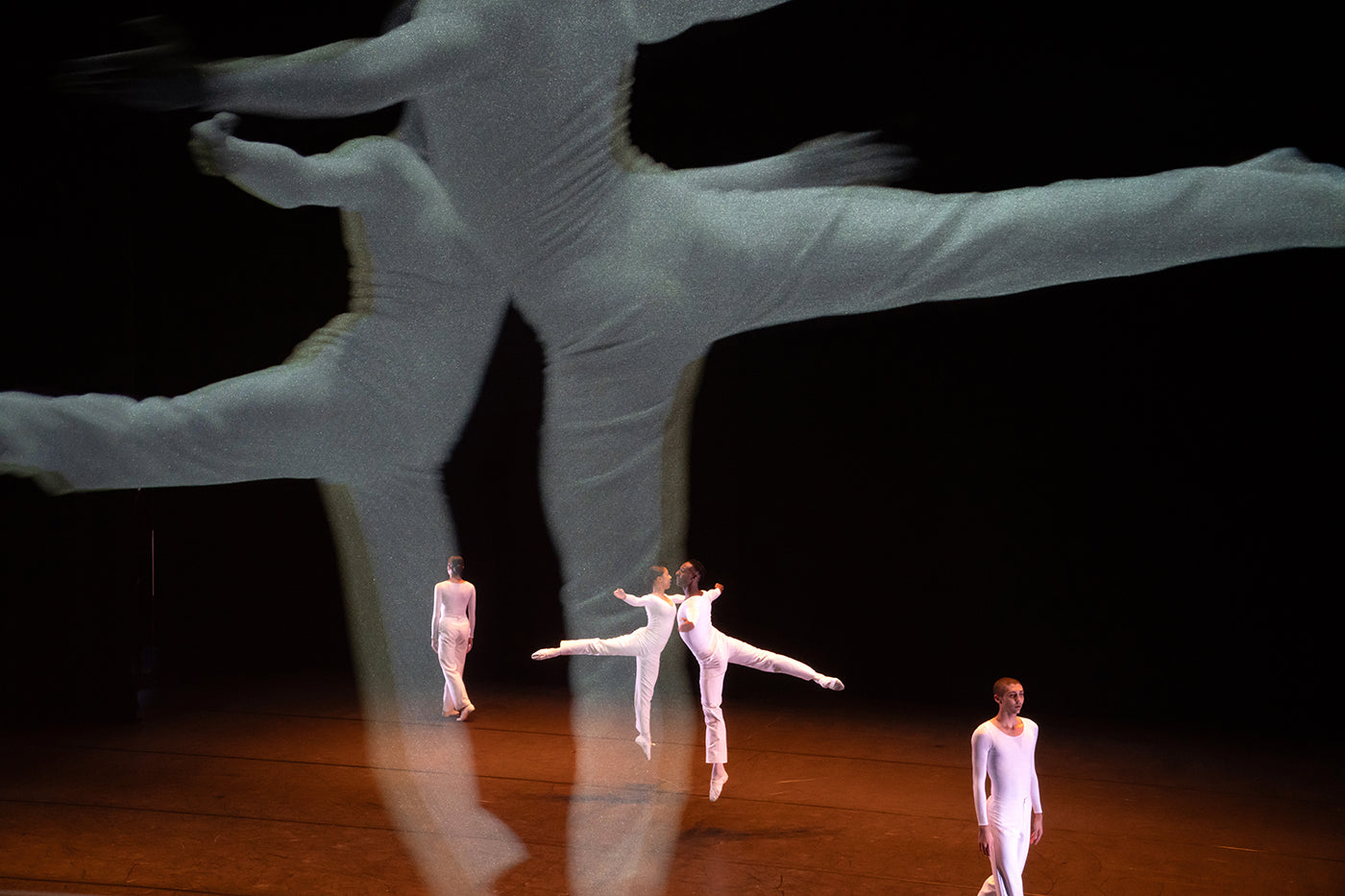
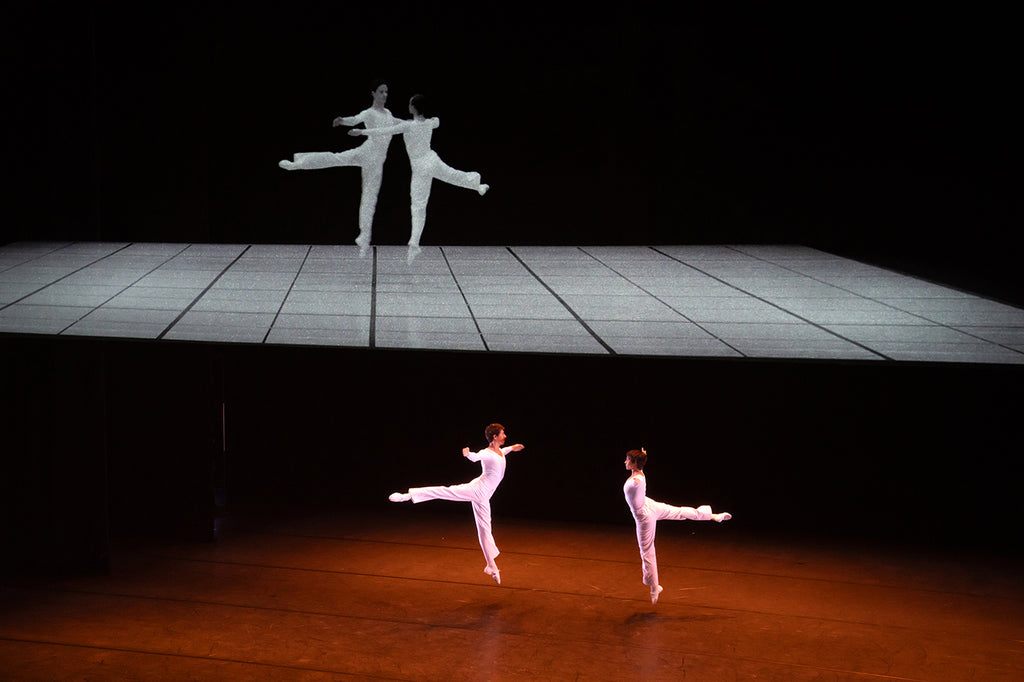
What is dance?” is a question posited by postmodern choreography, and postmodern choreographers generally seek to answer it through means as far away from conventional notions of dance as possible. Classical codifications are often eschewed, along with formal training and any vestiges of performativity—including music, costumes, makeup, sets, lighting, and stages. Process is prized over product. Practitioners of the Judson Dance Theater, who formed the postmodern dance movement in Greenwich Village in the early 1960’s, frequently sought out pedestrians and tasked them with mundane activities like squeezing oranges or reciting addresses. Choreographer Lucinda Childs emerged from this scene. In a 1964 solo she made for herself, she sat on a stool with a colander on her head and stuffed her mouth with hair rollers and kitchen sponges.
Performance
Place
Words


“Uncommonly intelligent, substantial coverage.”
Your weekly source for world-class dance reviews, interviews, articles, and more.
Already a paid subscriber? Login
As a Nor’easter wreaked havoc along the Mid-Atlantic seaboard, the wet winds calmed down enough by late afternoon to venture out to Alonzo King Lines Ballet that evening.
Continue Reading
I can’t take my eyes off the men. Stephen Haley, Joey Columbus, and Ian Debono each have solos in “Mazurkas” that emphasize the Limón posture full of elegance and pride.
Continue Reading
While the dancers traveled up from Florida, the Sarasota Ballet presented a taste of British sensibilities in its week-long engagement at the Joyce Theater.
Continue Reading
“This resting, patience” has been danced in cities ranging from Helsinki to Porto to Venice, and in all of them the crooning vocals of its most-repeated music, Burt Bacharach’s “What the World Needs Now Is Love,” must have been instantly familiar.
Continue Reading
comments