
On Criticism
On rare occasions, a dance seems to speak directly to me—often to my experiences as a dancer, sometimes to my humanity.
Continue Reading

World-class review of ballet and dance.
A man, much to his wife’s chagrin, has a nasty little habit: at night, he turns into a bat and flies out of their marital bed to partake in all kinds of infidelities. “Die Fledermaus,” the Roland Petit ballet set to the music of Johann Strauss II, follows her plot to win him back—and stop his nighttime escapades for good.
This is a timely production by the Vienna State Ballet, which, like the rest of the city, is celebrating the bicentenary of the composer known as the Waltz King. “Die Fledermaus,” the ballet, is far newer. Petit debuted the two-act work with the Ballet National de Marseille in 1979; the Vienna State Ballet performed it for the first time in 2009. Inspired by Strauss’s operetta of the same name, “Die Fledermaus” is decidedly comic, campy, and clearly told.
Performance
Place
Words


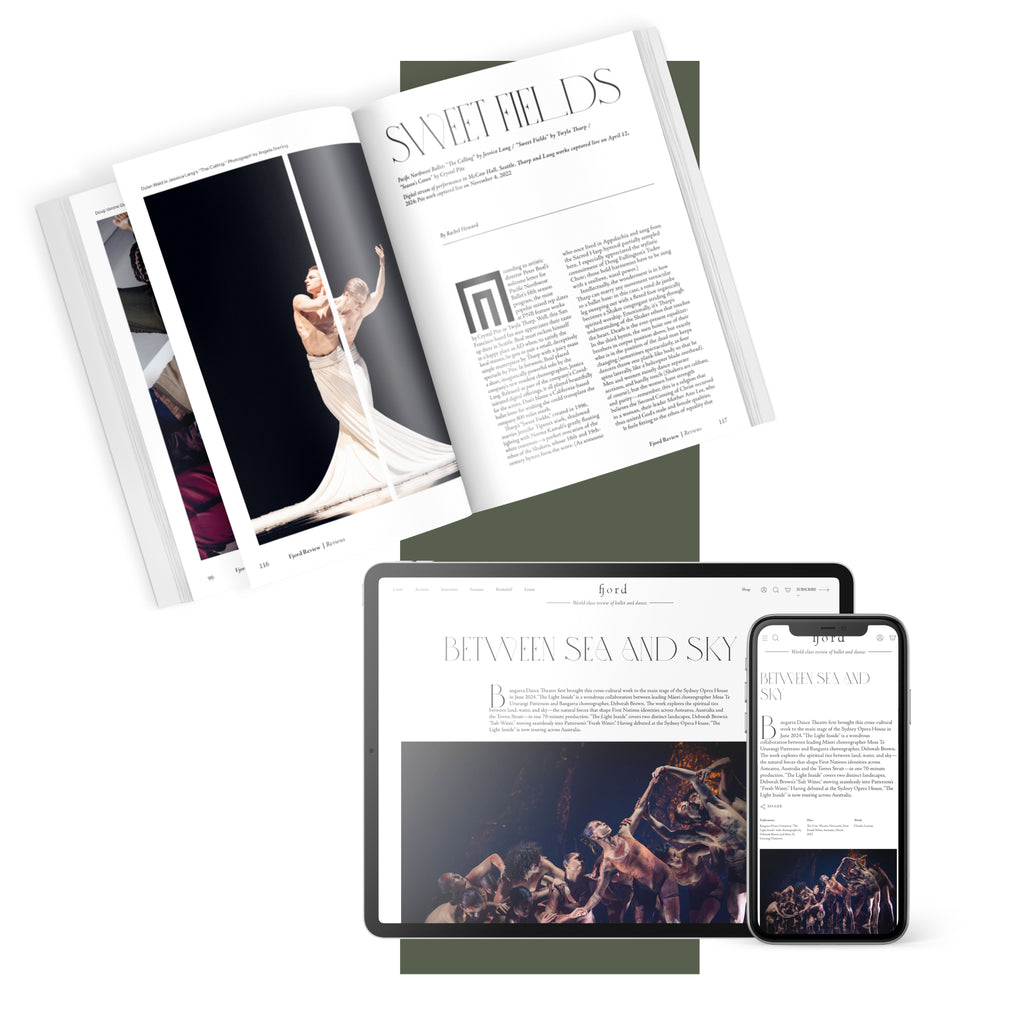
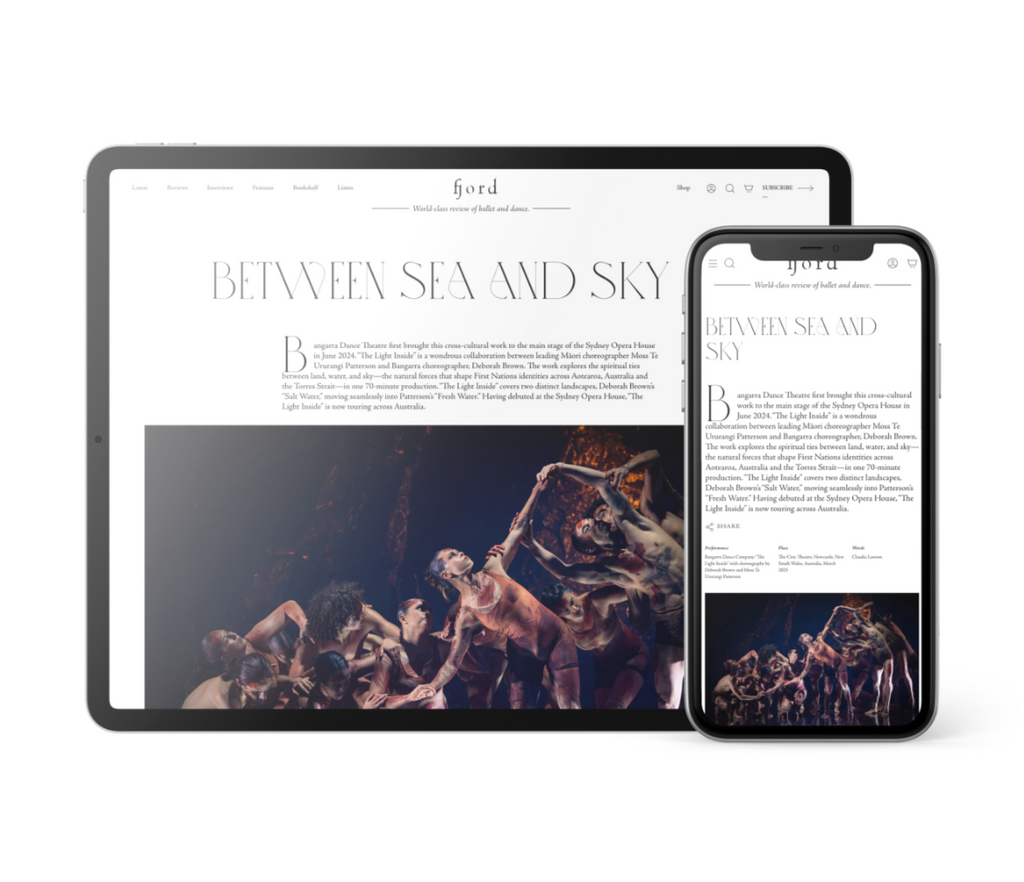
“Uncommonly intelligent, substantial coverage.”
Your weekly source for world-class dance reviews, interviews, articles, and more.
Already a paid subscriber? Login
On rare occasions, a dance seems to speak directly to me—often to my experiences as a dancer, sometimes to my humanity.
Continue Reading
I can’t take my eyes off the men. Stephen Haley, Joey Columbus, and Ian Debono each have solos in “Mazurkas” that emphasize the Limón posture full of elegance and pride.
Continue Reading
While the dancers traveled up from Florida, the Sarasota Ballet presented a taste of British sensibilities in its week-long engagement at the Joyce Theater.
Continue Reading
“This resting, patience” has been danced in cities ranging from Helsinki to Porto to Venice, and in all of them the crooning vocals of its most-repeated music, Burt Bacharach’s “What the World Needs Now Is Love,” must have been instantly familiar.
Continue Reading
comments