
A New Opus
As the first evening that Gonzalo Garcia has programmed as Miami City Ballet artistic director, “American Rhythms” provides a glimpse into the future of one of America’s most prominent “Balanchine” companies.
FREE ARTICLE
World-class review of ballet and dance.
We are all of us, beings, in a constant state of continual change. We humans are a composition of oxygen, carbon, and hydrogen. Our bodies are full of other chemical elements too, “heavier elements in lesser quantities, folded into our flesh like gold or rubies hidden in the earth. We are 3.2% nitrogen; 1.5% calcium; 1% phosphorus.” In order of occurrence, we are sulphur for our skin and hair, and sodium for our nerve transmission; we are chlorine, magnesium, and trace elements too. “These elements generally come to us via plants, who find them in the soil. In a very real sense, we are partly made of soil.”[1] At the opening night of Stephanie Lake’s new work, “The Chronicles,” at the Playhouse in Melbourne, presented as part of Rising Festival, we were in and of the soil, and it glittered with rubies.
Performance
Place
Words


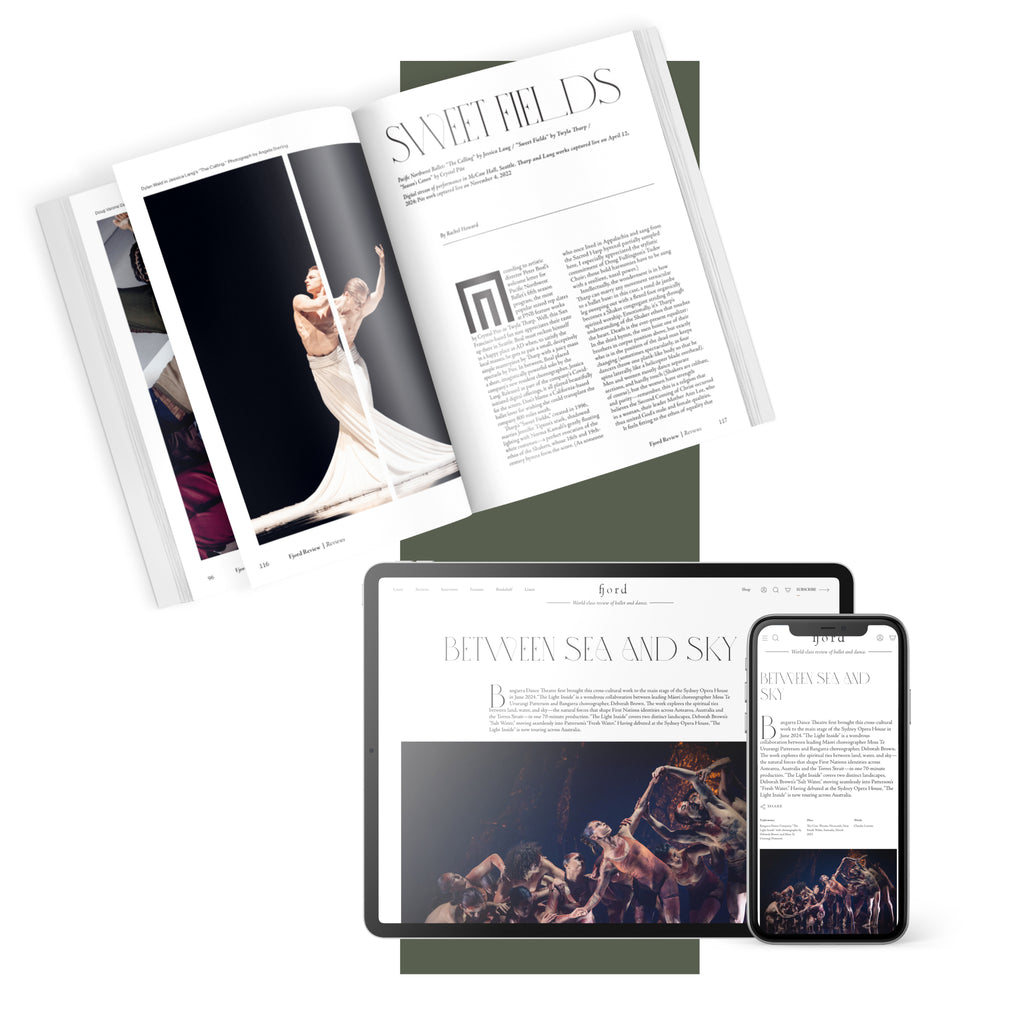
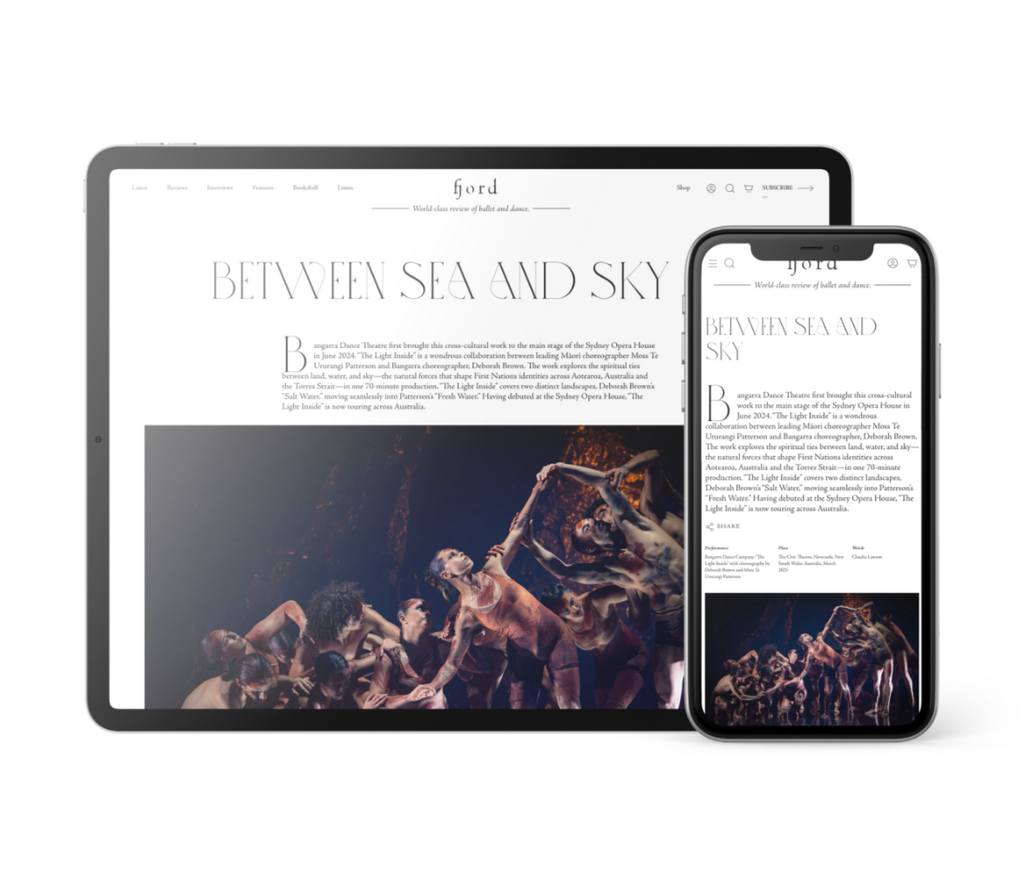
“Uncommonly intelligent, substantial coverage.”
Your weekly source for world-class dance reviews, interviews, articles, and more.
Already a paid subscriber? Login
As the first evening that Gonzalo Garcia has programmed as Miami City Ballet artistic director, “American Rhythms” provides a glimpse into the future of one of America’s most prominent “Balanchine” companies.
FREE ARTICLE
The curtain rises on a fairy-tale and the theatre around me all but disappears. There is the sensation that I am turning the pages of Charles Perrault’s 1697 telling of Sleeping Beauty.
Continua a leggere
It’s important for young dance artists to have the space, time, and resources to create. With its mission of giving autonomy to dancers, Pangea Dance Collective, founded in 2022, is working to offer just that.
Continua a leggere
Early in its 2026–27 season, the Paris Opera Ballet presents “Paysages intérieurs (Inner Landscapes),” and once again we are faced with the much-debated question of just how many contemporary mixed bills the company should programme.
Continua a leggere
comments