
Shakespearean Twist
It’s a drag to report that I had the urge to walk out of my first performance back in NYC after a long summer break.
Continua a leggere

World-class review of ballet and dance.
The Wade Thompson Drill Hall at the Park Avenue Armory is a yawning, cavernous space. In its depths, even the fiercest applause can be rendered a mere din, sounding hollow and unappreciative. Movement too, can be swallowed whole, with the subtleties that typically elevate dance-based storytelling drowning in the sheer amount of air they are tasked with filling.
Performance
Place
Words


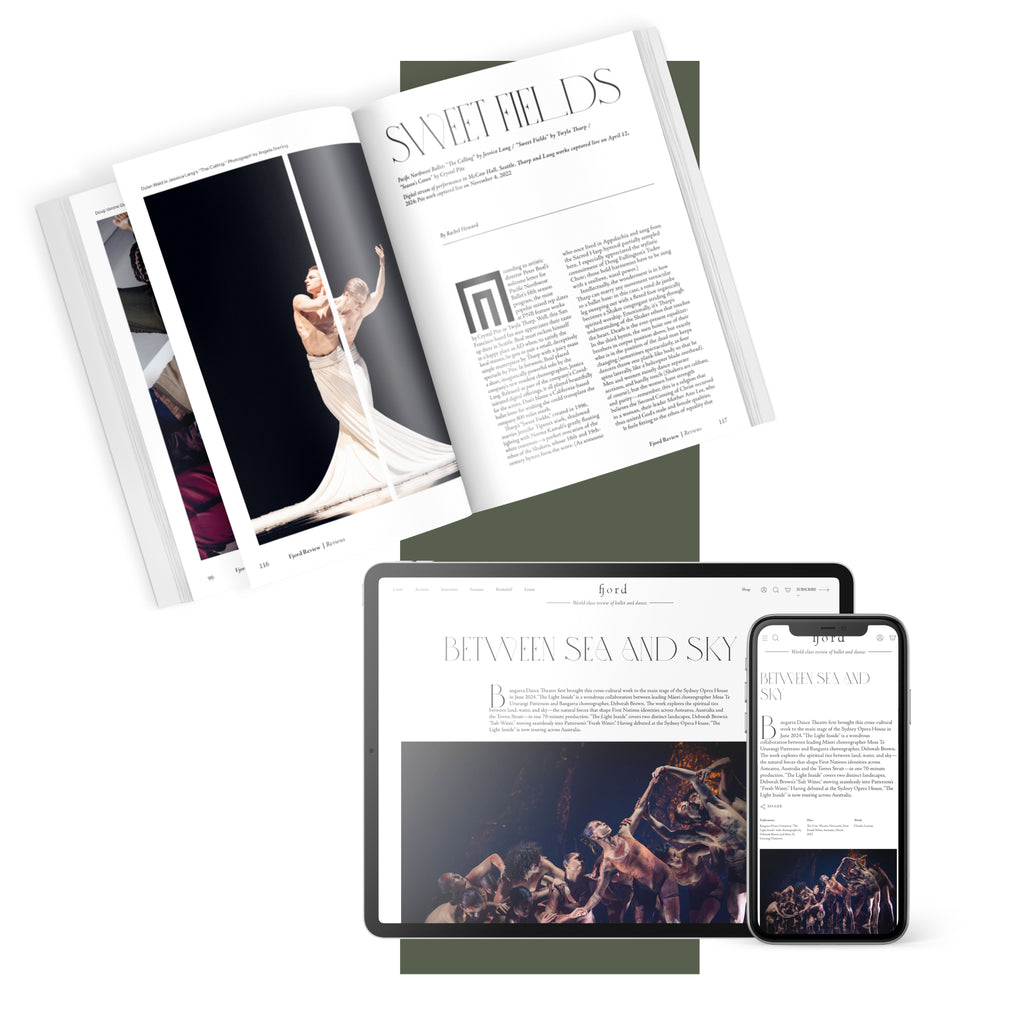
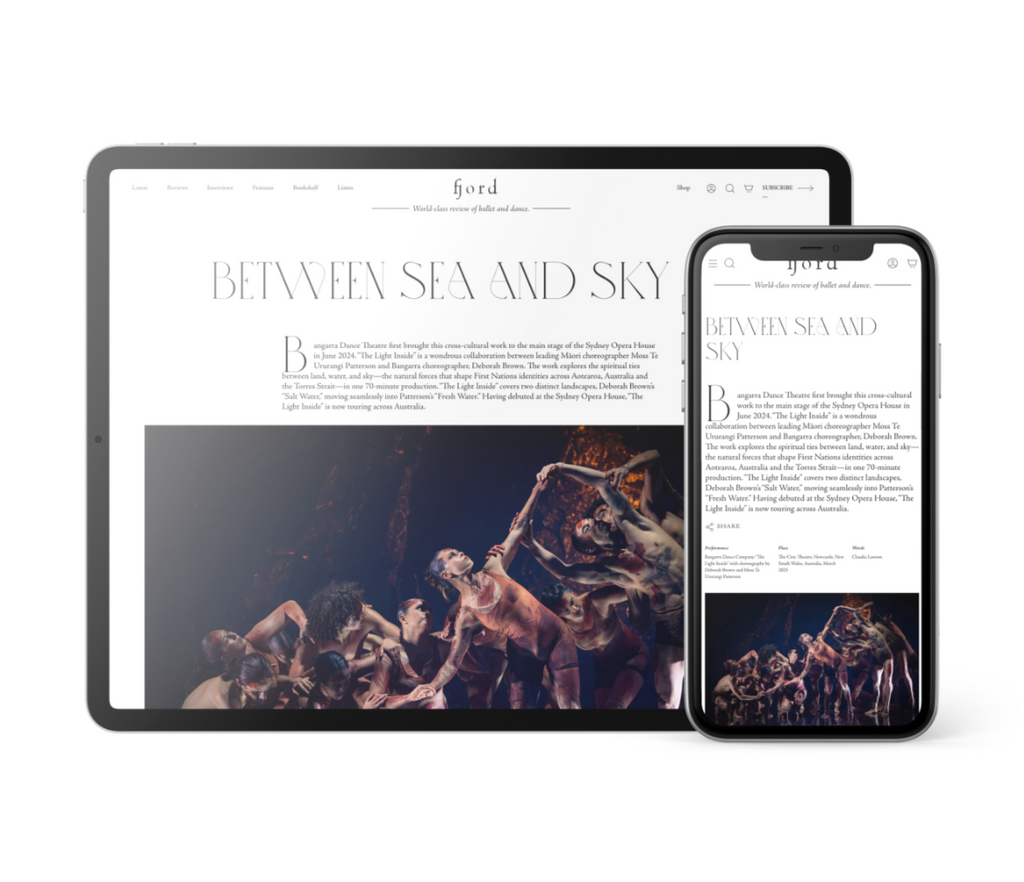
“Uncommonly intelligent, substantial coverage.”
Your weekly source for world-class dance reviews, interviews, articles, and more.
Already a paid subscriber? Login
It’s a drag to report that I had the urge to walk out of my first performance back in NYC after a long summer break.
Continua a leggere
Things seem to be clicking in place for Mamela Nyamza. Her latest work “The Herd/Less” is touring the world while her recognition as a choreographer with a distinction for the subversive and political has earned her a Silver Lion for dance at the Venice Biennale.
Continua a leggere
After taking a field trip in the second grade to see the Alvin Ailey American Dance Theater, Ronald K. Brown was inspired to take his first dance class at Bedford Stuyvesant Restoration Corporation, a Brooklyn-based community center.
Continua a leggere
As much as it is a cliché to reference, there is something special in finding a work that so aptly fits that famous quote from George Balanchine: “See the music. Hear the dance.”
Continua a leggere
comments